


 ReviewsAlbum Review: Velvet Harbor’s “Night Swim” Is a Summer ClassicDreamy, warm and impossible to skip. ★★★★½
Reviews Kai Morgan6 min read
Why Vinyl Records Keep Coming Back
Big covers, warm sound and the ritual of the needle.
Kai Morgan6 min read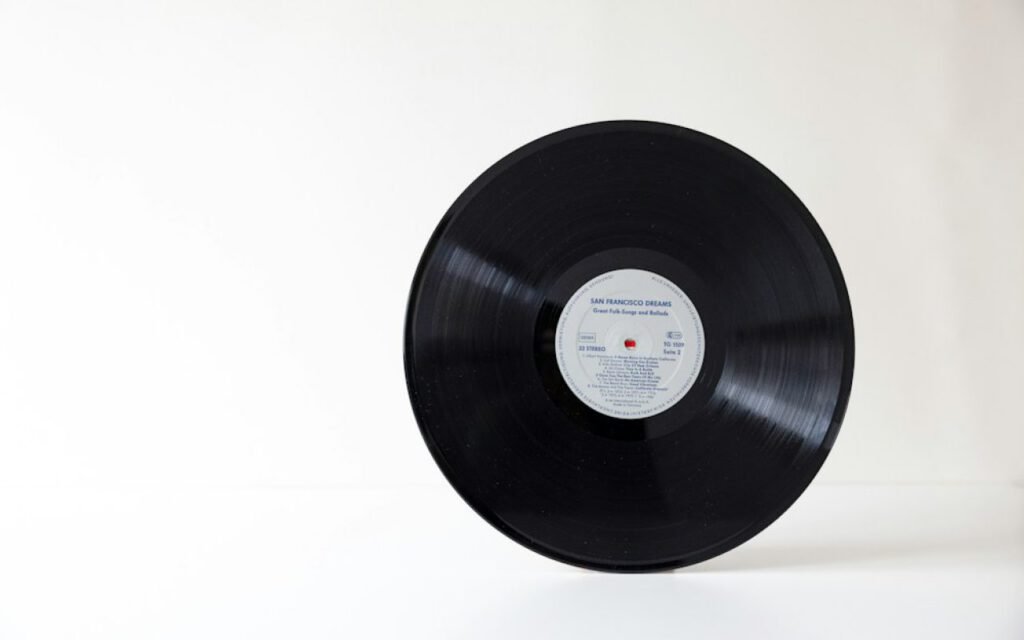
Vinyl record sales in the US have grown for many years in a row, according to industry reports. That would have sounded absurd twenty years ago, when record stores were closing, turntables were gathering dust in basements and the future of music seemed to belong entirely to digital files and, later, streaming. Yet here we are. New albums arrive on colored vinyl, independent record shops are opening on main streets across the country and teenagers are flipping through crates their parents abandoned decades ago.
So what is going on? Why would anyone choose a format that is bigger, more fragile and more expensive than the music already sitting in their pocket? We spoke with record store owners, collectors and longtime listeners, and the answers say a lot about what people want from music right now.
More than nostalgia
It is tempting to explain the vinyl revival as simple nostalgia, but that does not hold up. Many of the most enthusiastic buyers today are in their twenties and thirties, too young to remember records the first time around. For them, vinyl is not about going back. It is about finding something that streaming does not offer.
Streaming is extraordinary at what it does. Nearly every song ever recorded is a tap away, often for a modest monthly fee. But that abundance can make music feel weightless. Songs blur together in endless playlists, and albums become background noise. A record, by contrast, is a physical object you chose, paid for and carried home. It belongs to you in a way a stream never quite does.

The record store as a community
The revival has also brought back a kind of public space many towns had lost. Independent record stores have become gathering places, hosting in-store performances, listening parties and swap meets. Staff recommendations, handwritten on index cards and tucked into the bins, introduce customers to albums no algorithm would have suggested. For many buyers, a Saturday trip to the record shop is as much about conversation and discovery as it is about shopping. “People come in for one album and leave with three and a new friend,” one shop clerk in Portland told us.
The ritual
Choosing a record, flipping sides and reading the liner notes slows listening down. Ask any vinyl fan what they love most, and the answer is often the ritual. You pull a sleeve from the shelf, slide out the record, set it on the platter and lower the needle. There is a soft crackle, a breath of silence and then the music begins. It takes a minute, and that minute changes how you listen.
Because a side lasts only about twenty minutes, you stay present. You flip the record halfway through, which reminds you that an album was designed as a journey with a beginning, a middle and an end. Many listeners say they hear albums differently on vinyl, not because the sound is magic, but because they are finally paying attention.
Big covers, big art
Then there is the artwork. A twelve-inch album cover is a canvas, and artists use it. Gatefold sleeves, printed lyrics, posters and photos turn a record into something closer to a book or a piece of art. Reading the credits while the music plays, learning who played bass or where the album was recorded, connects listeners to the people behind the sound.
Streaming is for discovery. Vinyl is for the albums you love.
Owner of Groove Room Records (fictional)
The sound question
Is vinyl actually better sounding? It depends on who you ask, and the debate is never-ending. Digital audio can be technically more accurate, with less background noise and a wider range. Vinyl has its own character: many listeners describe it as warm, round and full, especially on well-pressed records played on good equipment. Others hear surface noise and prefer the cleanliness of a high-quality digital file.
The honest answer is that sound quality on vinyl varies widely depending on how the record was mastered and pressed, the condition of the record and the quality of your turntable, cartridge and speakers. A carefully made pressing on a modest setup can sound wonderful. A rushed pressing on a cheap all-in-one player can sound disappointing. For most fans, the experience matters more than any measurement.
If you are curious, try a simple test: listen to the same album on vinyl and on your usual streaming setup, ideally on the same speakers. Notice not just the sound but how you feel while listening. That, more than any spec sheet, will tell you whether vinyl is for you.
Getting started
A simple turntable, decent speakers and a few favorite albums are all you need. You do not need an expensive setup to enjoy vinyl. A reliable entry-level turntable with an adjustable tonearm and a replaceable stylus, paired with powered bookshelf speakers, makes a great first system. Visit a local audio or record shop and ask for advice. Staff are usually happy to explain the basics and let you listen before buying.

When it comes to records, start with albums you already love. Hearing a familiar favorite on vinyl is the best way to understand what the format offers. Then explore used bins. Secondhand records are often affordable, and digging through crates is half the fun. Check used records carefully for deep scratches and warping before you buy, and ask if the store has a listening station.
Where to shop
- Independent record stores, which often host events, signings and in-store performances
- Flea markets, estate sales and thrift shops for older and unexpected finds
- Artists’ own merchandise tables at concerts, which often directly support the band
- Record fairs, where collectors and dealers gather a few times a year
Record care
Records can last for decades if treated with care. A little attention protects both your collection and your stylus, the tiny needle that reads the grooves. These simple habits are the foundation of good care:
- Store records upright
- Hold them by the edges
- Clean the stylus regularly
Storing records upright, like books on a shelf, prevents warping; stacking them flat puts pressure on the ones at the bottom. Holding them by the edges and the center label keeps oils from your fingers out of the grooves. A soft brush before each play removes dust, and a small stylus brush keeps the needle clean. Keep your collection away from direct sunlight, radiators and damp basements, since heat and moisture are a record’s worst enemies. Replace your stylus according to the manufacturer’s guidance, because a worn needle can damage records over time.
Key takeaway: vinyl’s comeback is less about sound and more about slowing down, owning the music you love and enjoying the ritual of listening.
A format with a future
Vinyl will probably never replace streaming, and it does not need to. The two formats have settled into a comfortable partnership. Listeners discover new music on their phones and buy the albums they love most on vinyl, giving artists another way to earn a living and fans a deeper connection to the music.
Walk into a busy record store on a Saturday afternoon and you will see the evidence: friends trading recommendations, parents introducing kids to their favorite bands, collectors hunting for a rare pressing. In a world where so much is digital and disposable, there is something deeply satisfying about a big square sleeve, a black disc and the quiet crackle before the first song begins.

Written by
Kai Morgan
Kai has reviewed more than 2,000 albums and still owns every CD from 1998.
6Articles
2026Writing since
Read next
ReviewsAlbum Review: Velvet Harbor’s “Night Swim” Is a Summer ClassicDreamy, warm and impossible to skip. ★★★★½ LiveFestival Survival Guide: Three Days, Zero RegretsEarplugs, shade and a meeting spot for your friends.
 StudioHow a Song Gets Made: Inside a Recording SessionFrom demo to final mix in five steps.
 LiveConcert Review: Juniper Lane Lights Up the Riverside AmphitheaterTwo hours, 24 songs, one huge sing-along.LiveProtect Your Hearing at ConcertsYou only get one pair of ears.
 LearnPiano Practice Tips From a Lifelong TeacherSlow hands, steady counting and pieces you actually like.
 Jazz & VenuesThe 20 Best (Fictional) Albums of the Year So FarOur critics’ midyear list.
 Jazz & VenuesA Beginner’s Guide to Listening to JazzStart with ballads, follow the melody, enjoy the solos.
 LearnDrum Kit Basics: What Every Beginner NeedsPractice pads, sticks and a little consideration for the neighbors.
2 Comments
Sharing this with my friends.
Saved this one for later. Really useful.