


 Sleep & RecoveryWhy Rest Days Make You FasterFitness is built while you recover, not while you train.
Sleep & Recovery Maya Brooks6 min read
Sleep: The Performance Enhancer Nobody Sells
Why seven-plus hours beats any supplement.
Maya Brooks6 min read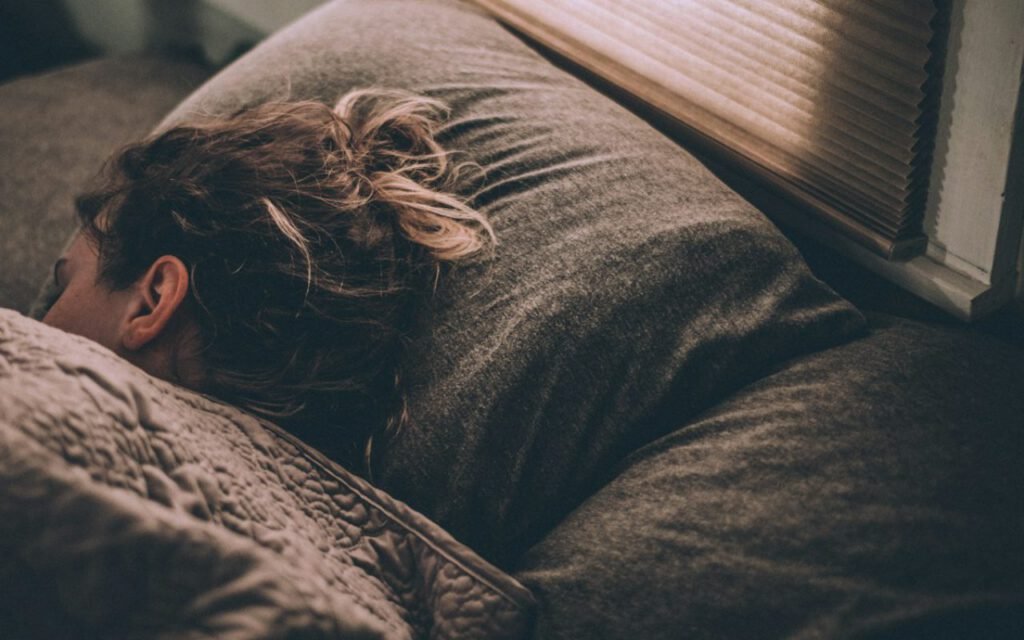
Written by
Maya Brooks
Maya is a certified strength coach who believes everyone should own one kettlebell and one good playlist.
20Articles
2026Writing since
Adults are generally advised to get seven or more hours of sleep a night. For active people, sleep is when recovery happens. You can follow the smartest training plan in the world, hit your protein target and stretch after every run, but if you are routinely sleeping five and a half hours, you are leaving a big part of your progress on the nightstand. Sleep does not come in a shiny tub with a scoop. It does not have an influencer or a discount code. It is free, it is available every night, and it may be the most underrated performance tool in fitness.
This article explains what happens while you sleep, why it matters for workouts and everyday energy, and how small changes to your evening routine can help you sleep longer and better. None of it requires a gadget. Most of it requires a little planning and a willingness to treat bedtime as part of your training.
What sleep does
Deep sleep supports muscle repair, and good sleep helps mood, focus and reaction time. During the night, your body cycles through several stages of sleep, each with its own job. The deeper stages are associated with physical restoration, when the body releases hormones that support tissue repair and growth. Lighter and dream-filled stages are linked with memory, learning and emotional balance. When you cut sleep short, you tend to lose some of these stages, and your body has less time to finish its overnight work.
For anyone who exercises, that overnight work is where training turns into fitness. A hard workout creates small amounts of stress and wear in your muscles. Rest, food and sleep give your body the chance to adapt and come back a little stronger. Skip the rest and you may find that the same workout feels harder, your legs feel heavy for longer and your motivation slips.

The everyday payoff
The benefits are not just for athletes. Many people notice that a few nights of good sleep make them feel calmer, more patient and better able to concentrate. Reaction time matters on the basketball court, but it matters on the highway too. Good sleep also tends to make healthy choices easier: when you are well rested, the late-afternoon vending machine is a little less tempting, and the evening walk feels a lot more doable.
If sleep came in a bottle, every athlete would buy it.
Dr. Grace Kim, sleep researcher
Dr. Grace Kim, who studies sleep and recovery, says the hardest part of her job is convincing busy people that sleep is not a luxury. People will spend money on recovery boots, supplements and fancy foam rollers, she notes, and then stay up past midnight scrolling. Her advice is to treat the hours in bed with the same respect you give your workouts, because they are working just as hard for you.
Signs you might need more sleep
Many of us have been short on sleep for so long that tired feels normal. A few common signs suggest your body might want more rest:
- You rely on an alarm every day and often hit snooze several times
- You feel drowsy in the afternoon or during long drives
- Easy workouts feel unusually hard, or your progress has stalled
- You feel irritable, foggy or find it hard to focus
- You sleep much longer on weekends to “catch up”
None of these alone proves anything, and they can have other causes. But if several of them sound familiar, an earlier bedtime is a simple, low-cost experiment to try for a couple of weeks.
Easy wins
A consistent bedtime, a dark cool room and less screen time before bed. Those three changes cover a lot of ground, and none of them costs anything. Your body runs on an internal clock that likes routine. Going to bed and waking up at roughly the same time every day, including weekends, helps that clock stay steady and can make it easier to fall asleep and wake up feeling refreshed.
Your bedroom matters too. Most people sleep best in a room that is cool, dark and quiet. Many sleep experts suggest a temperature somewhere in the mid to upper 60s Fahrenheit, but the right number is whatever feels comfortable to you under your blankets. Blackout curtains or a simple eye mask can block streetlights and early sunrise. A fan or white noise machine can soften sounds from the street or the rest of the house.

The screen problem
Phones, tablets and laptops are designed to keep us engaged, which is the opposite of what we need at 10:45 p.m. The bright light from screens and the stream of news, messages and videos can keep your brain alert long after you meant to be asleep. Try putting your phone on its charger across the room, or even in another room, at least 30 minutes before bed. Use a basic alarm clock if your phone is your alarm. Replace the scroll with something slower: a paper book, light stretching, a warm shower or a few minutes of quiet breathing.
Sleep and your training plan
Timing your workouts can help, too. Hard exercise very close to bedtime keeps some people wired, while others sleep fine after an evening run. Pay attention to how you feel and adjust. If you are following the Stride Couch to 5K plan or the strength plan, try scheduling your hardest sessions earlier in the day when you can, and keep late-evening movement gentle, like an easy walk or a stretch.
On weeks when life gets busy and sleep gets short, consider easing back on training intensity rather than forcing a hard session on four hours of sleep. Your body can only recover from so much at once, and stacking hard workouts on poor sleep is a common path to feeling run down.
Key takeaway: Sleep is not the opposite of training. It is the second half of it. Protect your bedtime the way you protect your workouts.
Try this
Pick one change for this week rather than overhauling your whole evening at once. Once it sticks, add the next one.
- Set a wind-down alarm 30 minutes before bed
- Keep the bedroom cool and dark
- Avoid caffeine late in the day
The wind-down alarm is a favorite among our readers because it flips the usual script. Instead of an alarm that tells you when to wake up, it tells you when to start getting ready for sleep. When it goes off, dim the lights, put the phone away and start your routine. As for caffeine, its effects can last for hours, so many people find it helps to stop coffee, tea, energy drinks and soda by early afternoon.
When to talk to a doctor
If you regularly have trouble falling or staying asleep, wake up gasping or snoring loudly, or feel exhausted even after a full night in bed, talk to your doctor. Sleep problems are common and often treatable, and a professional can help you find out what is going on. For everyone else, the plan is simple: go to bed a little earlier, make your room a little darker and let the most powerful recovery tool you own do its job.
General information, not medical advice. Check with your doctor before starting a new exercise or nutrition plan, especially if you have a health condition.
Written by
Maya Brooks
Maya is a certified strength coach who believes everyone should own one kettlebell and one good playlist.
20Articles
2026Writing since
Read next
Sleep & RecoveryWhy Rest Days Make You FasterFitness is built while you recover, not while you train. Sleep & RecoveryFoam Rolling: Does It Actually Work?What the research says, and how to roll without wincing.
 Sleep & RecoverySore After a Workout? What’s Normal and What’s NotDOMS, explained — and when to call a professional.
 Sleep & RecoveryDeload Weeks: Train Less, Get MoreWhy planned easy weeks help long-term progress.
Start the conversation