Play Together: Why Roughhousing Is Good for Kids
Piggyback rides, pillow forts and wrestling on the rug build trust and confidence.
 Tessa Grant6 min read

Tessa Grant
Tessa develops family recipes and has fed one very picky eater since 2019.



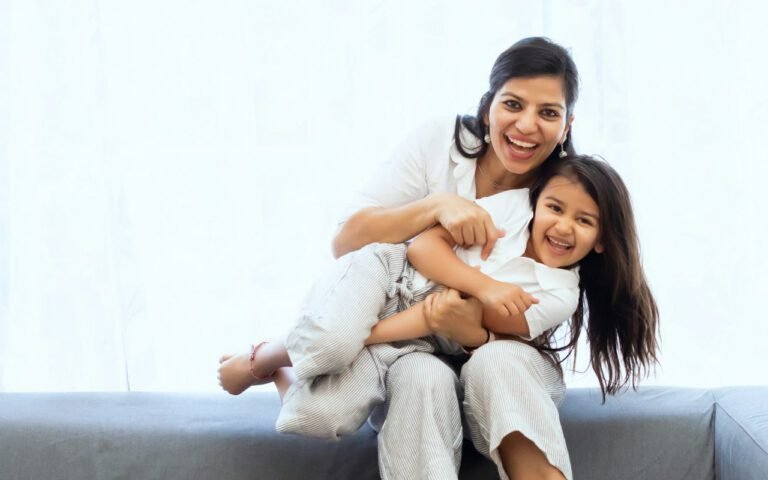
Active, physical play with a parent helps children learn about strength, limits and trust. It might look like chaos from the outside: a dad on all fours giving pony rides, a mom pretending to be a tickle monster, a pile of giggling kids tumbling across the living room rug. But this kind of rough-and-tumble play is one of the oldest and most natural ways children learn. It builds muscles and coordination, yes, but it also teaches kids how to read other people, control their own bodies and recover when things get a little too wild.
For many families, roughhousing is the highlight of the evening. For others, it feels risky or noisy and gets shut down quickly. In this guide, we look at why physical play matters, how to set it up safely and how to make it a fun ritual that the whole family enjoys.

What roughhousing teaches
When children wrestle, chase, climb and tumble with a trusted adult, they get to test their strength in a safe setting. They learn how hard is too hard, what it feels like to win and lose, and how to read a partner’s face and voice. These are social and emotional skills that carry over to the playground, the classroom and friendships.
- Self-control: kids practice getting excited and then calming down again.
- Empathy: they learn to notice when a partner is hurt or no longer having fun.
- Confidence: pushing, lifting and climbing help children feel capable.
- Coordination: rolling, balancing and dodging build body awareness.
- Connection: laughter and touch strengthen the bond between parent and child.
Physical play also gives children a healthy outlet for big energy. A child who has spent the day sitting at a desk or in a car seat often needs to move. A few minutes of wrestling on the rug can release tension more effectively than any lecture about settling down.
Ten minutes of silly play can turn a whole evening around.
Dr. Amara Ellis, pediatrician
Dr. Ellis hears from many parents that evenings are the hardest part of the day, when everyone is tired and cranky. She suggests a short burst of physical play right after work or school. It reconnects parent and child after hours apart and often makes dinner and bedtime go more smoothly.

Rules make it safe
Agree on a stop word and stop immediately when it is used. This single rule is the foundation of safe roughhousing. Choose a word that will not come up by accident during play, such as “pineapple” or “red light,” and practice it before you begin. When anyone says it, all play stops right away, no questions asked. Children learn that their voice matters and that they can trust the adult to respect their limits.
Add a few other simple rules and repeat them often.
- Nobody gets hurt on purpose. If someone does get bumped, pause, check in and say sorry.
- No hitting faces, pulling hair or rough play near heads and necks.
- The stop word works for everyone, including the grown-up.
- Take breaks. Pause regularly for water and a few deep breaths.
- Everyone has to be having fun. If someone is upset, the game changes.
Set up the space
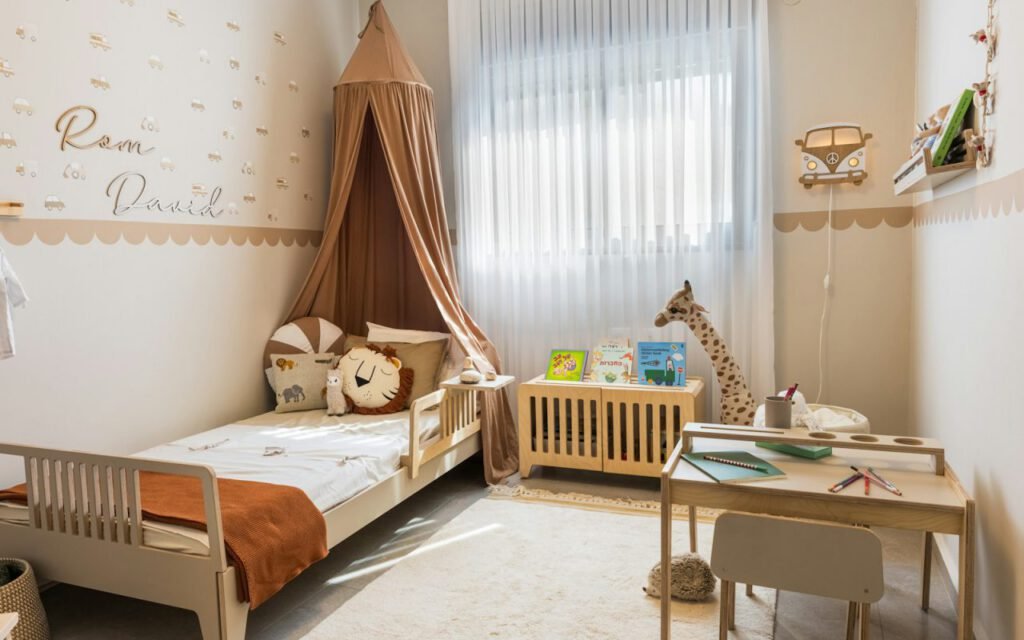
Clear a safe space before you begin. Move coffee tables, toys with sharp edges and anything breakable. Soft surfaces like carpet, a play mat, a bed or grass are ideal. Keep an eye on younger siblings and pets who may wander into the action. If you have more than one child, consider taking turns or teaming up so smaller kids do not get squashed.
Let them win sometimes
Feeling strong builds confidence. When a small child pins a grown-up to the floor or pushes them off the couch, the look of triumph on their face says it all. Letting children win shows them that effort pays off and that they are powerful in a world where they are usually the smallest person in the room.
That said, do not let them win every single time. Gentle challenges teach persistence and how to lose gracefully. Aim for a balance where kids win often enough to feel capable but still have to work for it. Narrate as you play: “Wow, you are so strong, I can barely hold on!” Then celebrate their victory with genuine enthusiasm.
Ideas to try at home
You do not need special equipment for physical play. Here are a few favorites from Little Rooms readers that work for a range of ages.
- Pillow fort battles: build forts on either side of the room and toss soft pillows.
- Couch climbing: let kids climb over a parent lying on the floor like a mountain.
- Piggyback races: carry kids on your back from room to room.
- Sock wrestling: everyone tries to pull off each other’s socks while keeping their own on.
- Airplane rides: lie on your back and balance a child on your feet or shins.
- Bear crawl tag: chase each other on all fours across the rug.
Pick games that match your child’s age and size. Babies and toddlers enjoy gentle bouncing, rolling and peekaboo-style chasing. Preschoolers love wrestling and climbing. Big kids often enjoy competitive games with clear rules. Always support a young child’s head and neck, and never shake or toss a baby.
Timing and calming down
Roughhousing gets kids excited, so timing matters. Keep it short before bedtime and end with a calming activity, like a slow cuddle, a quiet song or a bath. Some families use a “cool down” signal, such as dimming the lights or lying flat like starfish and taking five big breaths. Teaching kids to wind down is just as valuable as letting them wind up.
Watch for signs that play has gone on long enough: shrieking that sounds more upset than happy, rough hands, tears or a child who keeps ignoring the rules. These are cues to pause, regroup and switch to something calmer. It does not mean the game failed. Learning when to stop is one of the lessons roughhousing teaches.
Not just for dads
Roughhousing is often linked with fathers, and many dads do love it. But moms, grandparents, aunts, uncles and older siblings can all be great play partners. Children benefit from physical play with any caring adult. If roughhousing does not come naturally to you, start with gentle games like rolling on the floor or a slow-motion tickle chase and see where it goes.
Key takeaway: A clear stop word, a safe space and a playful attitude turn roughhousing into one of the best ways to build trust, confidence and connection.
Quick tips
- Clear a safe space
- Keep it short before bedtime
- Follow their lead
- Agree on a stop word and honor it every time
- End with a calm cuddle
If your child has a medical condition, a recent injury or physical differences that affect play, ask your pediatrician which activities are best for them. For most families, though, roughhousing is a joyful, healthy part of growing up. So move the coffee table, grab a pillow and get down on the floor. The laughter is worth a little noise.
This article is general information, not medical advice. Talk to your own doctor or midwife about your family.
Tessa Grant
Tessa develops family recipes and has fed one very picky eater since 2019.

Start the conversation