Bedtime Stories: The Ten Minutes That Matter Most
Why the bedtime book is worth protecting — even on busy nights.
 Nina Park6 min read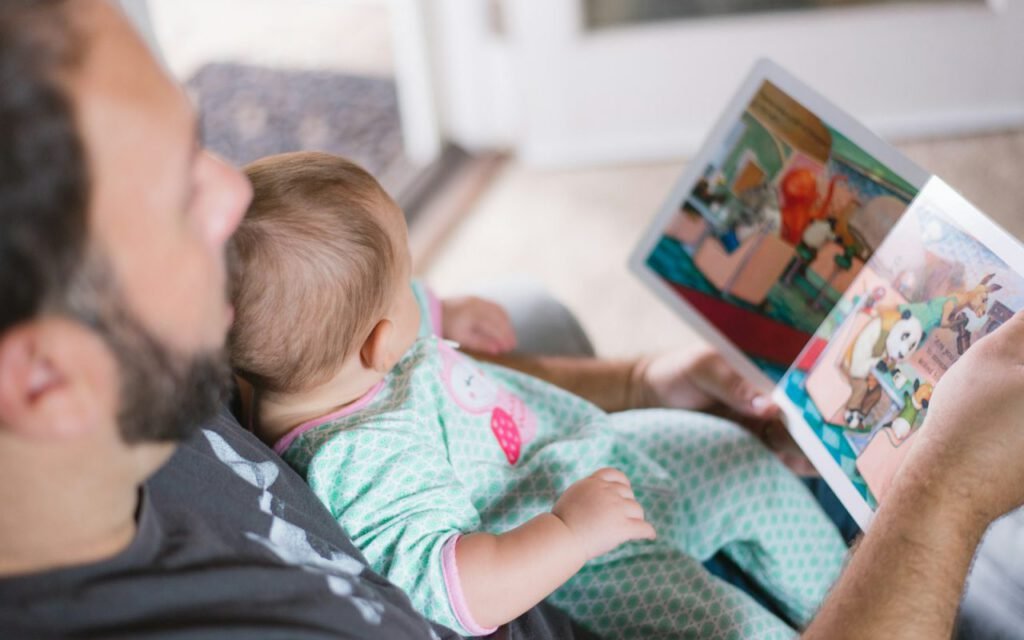

Nina Park
Nina started Little Rooms when her first baby would only nap in the car. She is now a mom of three and still a fan of car naps.



A bedtime story is one of the calmest, closest moments in a family’s day. It also helps children wind down for sleep. After the rush of school, work, dinner, homework and bath, those ten minutes with a book can feel like a pause button. The lights are low, the house is quieter and a child is snuggled close, listening. On busy nights, it is tempting to skip the story and head straight for lights out. But many families find that protecting this small ritual pays off in calmer bedtimes, closer relationships and a lifelong love of reading.
In this guide, we explore why the bedtime story matters, how to build a soothing routine around it and what to do on the nights when everyone is exhausted.

Why the bedtime book matters
The bedtime story offers several gifts at once. It gives children focused, one-on-one attention from a parent at the end of the day. It helps them shift from busy activity to calm. It builds vocabulary, listening skills and imagination. And it creates a predictable signal that sleep is coming, which can make the transition to bed easier.
For parents, bedtime stories can be a moment of connection too. After a long day, sitting with a child and a good book can feel restorative. Many parents tell us that some of their child’s most open conversations happen in those quiet minutes after the story ends, when the lights are low and the day is winding down.

Make it a ritual
Bath, pajamas, teeth, story, song, lights out: the same order every night. Children thrive on predictability, especially at bedtime. When the steps happen in the same order every night, children know what comes next, which can reduce resistance and help their bodies prepare for sleep.
A predictable bedtime routine is one of the most helpful things for children’s sleep.
Rachel Stone, pediatric sleep consultant
Rachel works with families who struggle with long, stressful bedtimes. She says the first step is almost always a consistent routine. It does not need to be long; twenty to thirty minutes is plenty for most children. What matters is that it is calm, predictable and ends in the child’s bed.
A sample bedtime routine
- Bath or wash-up: warm water helps many children relax.
- Pajamas: let kids choose between two pairs to give them a sense of control.
- Teeth: brushing signals that eating time is over.
- Story: one or two books in bed or a cozy reading chair.
- Song or cuddle: the same song or a few words of goodnight each night.
- Lights out: a dim nightlight if your child prefers it.
Adapt the routine to your family. Some children like a bath every night; others only need one a few times a week. Some families add a short gratitude moment or a back rub. The key is consistency.
Setting up a cozy reading spot
Where you read matters almost as much as what you read. A comfortable place, whether that is your child’s bed, a beanbag in the corner of the room or a big chair you share, helps signal that it is time to slow down. Keep a small basket of bedtime books within reach so you are not hunting for them each night. A soft reading lamp with warm light is easier on sleepy eyes than a bright overhead bulb. Some families add a favorite blanket or stuffed animal that only comes out at story time. These small details make the ritual feel special, and children often begin to relax as soon as they settle into their spot.
If you have more than one child, decide whether you will read together or separately. Reading together saves time, while separate stories, even short ones, give each child their own moment of attention. Many families alternate, or let an older child read on their own while a parent reads to the younger one.
Screens off first
Swap screens for books in the last hour before bed. Tablets, phones, TV and video games can make it harder for children to wind down. Bright screens and exciting content keep minds active when they should be slowing down. Many pediatric experts suggest turning screens off at least an hour before bedtime.
Make the switch easier by creating a calm evening environment. Dim the lights, lower the noise and move toward quieter activities like puzzles, drawing or building blocks. Keep screens out of bedrooms when possible, and set a good example by putting your own phone away during bedtime routines.
Making the switch stick
If your family is used to screens before bed, expect some pushback at first. Explain the new routine ahead of time and stay consistent. Offer appealing alternatives, such as a new library book, an audiobook or extra cuddle time. Within a week or two, many families find the new routine feels normal.
Choosing bedtime books
The best bedtime books are calm, cozy and not too long. Save the action-packed adventures for daytime and choose gentle stories for bedtime. Picture books with soothing rhythms, rhymes and quiet endings are perfect for younger children. Older kids may enjoy a chapter book read over many nights.
- Gentle rhyming books with a soft rhythm
- Stories about bedtime, the moon, stars and sleepy animals
- Comforting stories about family and friendship
- Chapter books for big kids, one chapter a night
- Familiar favorites that children love to hear again
Let them pick one, you pick one. This simple approach gives children a sense of control while letting you introduce new stories. It can also prevent the endless “one more book” negotiations. Agree on the number of books ahead of time and stick to it.

On busy nights
Some nights, everyone is tired and the clock is ticking. On those nights, a shorter story still counts. Read one short book instead of two, tell a quick story from your own childhood or recite a favorite poem from memory. Even five minutes keeps the ritual alive and gives your child that sense of connection before sleep.
If you cannot be there for bedtime, other caregivers can keep the tradition going. Grandparents, babysitters and older siblings can all read the bedtime story. If you travel for work, a quick video call to read a book together can help children feel close.
Talking after the story
Talk about the story afterward. Ask what they liked best, what they think will happen next or how a character might have felt. These conversations build comprehension and imagination. They also open a door for children to share their own feelings and worries, which can help them settle for sleep.
Key takeaway: A short, predictable bedtime routine with a story at its heart helps children wind down and gives families a daily moment of closeness worth protecting.
Quick tips
- Keep the books by the bed
- Let them pick one, you pick one
- Talk about the story afterward
- Turn screens off an hour before bed
- Keep the routine in the same order every night
If your child has ongoing trouble falling or staying asleep, snores loudly or seems very tired during the day, talk with your pediatrician. For most families, though, a calm routine and a good book make bedtime a little easier. Years from now, your child may not remember every story, but they will remember the feeling of being tucked in, read to and loved at the end of each day.
This article is general information, not medical advice. Talk to your own doctor or midwife about your family.
Nina Park
Nina started Little Rooms when her first baby would only nap in the car. She is now a mom of three and still a fan of car naps.



Start the conversation