Picky Eaters: How to Help Toddlers Try New Vegetables
Small portions, many exposures and no pressure.
 Tessa Grant6 min read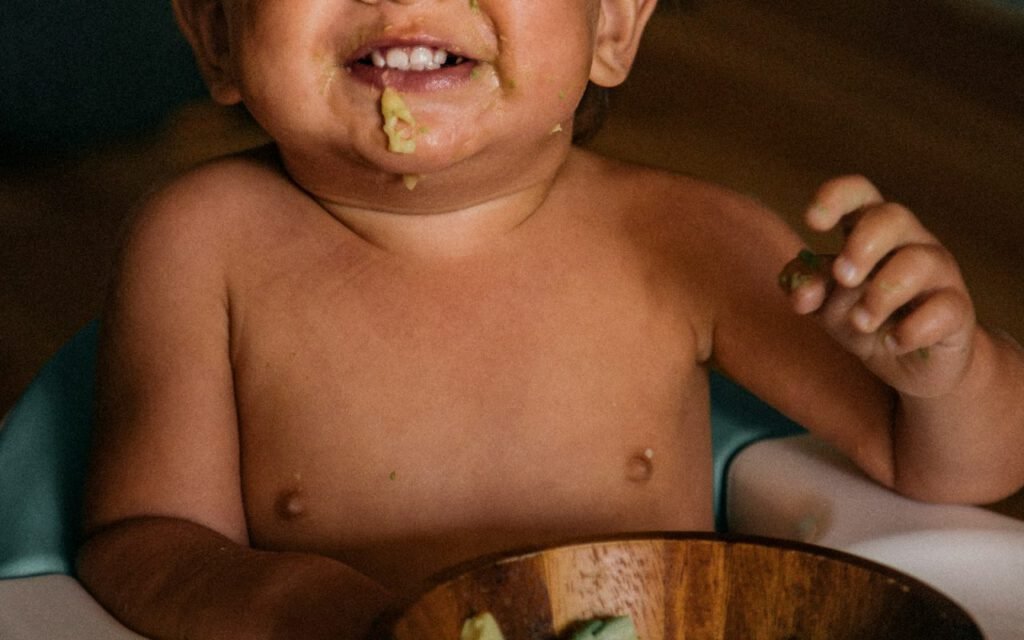

Tessa Grant
Tessa develops family recipes and has fed one very picky eater since 2019.



Picky eating is common in toddlers. Children often need to see and taste a food many times before they accept it. If your two-year-old pushed the green beans to the edge of the plate again tonight, you are in very good company. In our reader survey, nearly every parent of a toddler said vegetables were the hardest food group at their table. The good news is that “no” today rarely means “no” forever. With patience, small portions and a calm table, most toddlers slowly widen the list of foods they will eat.
This guide gathers the approaches that dietitians and seasoned parents lean on most. None of them involve tricks, hidden purees or nightly negotiations. Instead, they focus on giving your child many relaxed chances to meet a new food, and trusting them to get there in their own time.

Why toddlers turn down new foods
It helps to know that picky eating is a normal stage of development, not a sign that you did something wrong. Around the second year, many children become more cautious about new things in general, including food. Growth also slows after the rapid first year, so appetite naturally dips. A toddler who ate everything at ten months may suddenly survive on crackers, bananas and cheese at eighteen months.
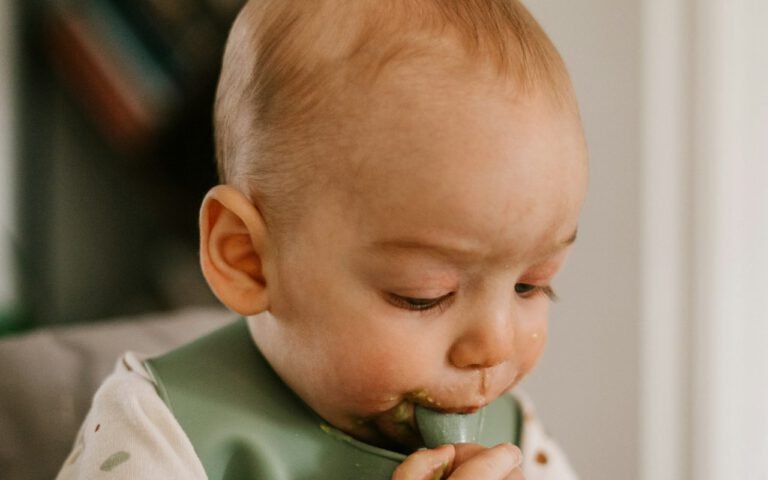
Vegetables face an extra challenge. Many have bitter notes that young children taste strongly, and their textures can be slippery, stringy or crunchy in ways toddlers find surprising. Color plays a part as well; a bright green floret looks very different from the beige foods many little ones prefer. Understanding this makes it easier to stay patient. Your child is not being stubborn for the sake of it. They are learning, one cautious look and one tiny lick at a time.
Serve and step back
Put a small amount of a new food next to a favorite and let them decide. This simple setup is the heart of the approach. A familiar food on the plate means your child will never leave the table hungry, which removes the pressure from both of you. The new food sits there quietly as an option, not a test.
Your job is to serve the food. Their job is to decide how much to eat.
Leah Morgan, registered dietitian
Leah calls this a division of responsibility, and she says it changes the mood at mealtime almost immediately. Parents choose what is offered, when and where. Children choose whether to eat and how much. It can feel uncomfortable at first to watch a carrot stick go untouched for the fifth night in a row, but every exposure counts, even when nothing is eaten. Seeing, smelling, touching and even licking a food all help a toddler get familiar with it.

Tiny portions win
A heaping spoonful of peas can look overwhelming to a small child. Start with one or two pieces, or a single bite-sized slice. If they eat it and want more, wonderful. If they do not, very little goes to waste, and you can offer it again another day. Using a divided plate can help children who dislike foods touching, and a small “learning plate” off to the side gives them a no-pressure place to set foods they are not ready to eat.
Eat together
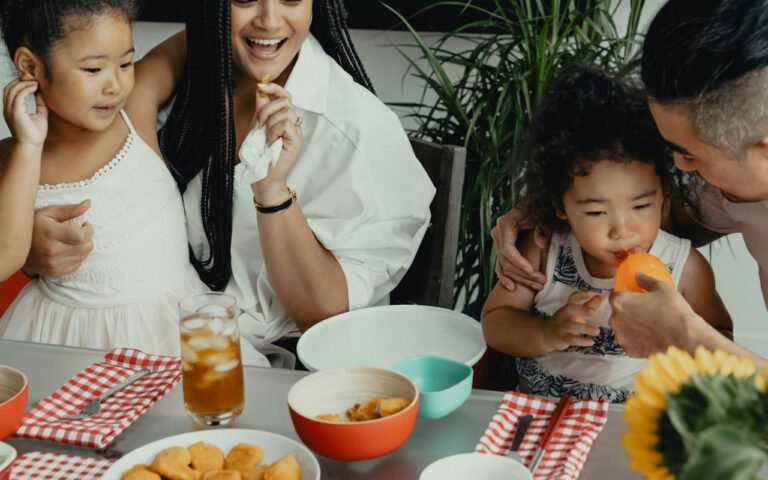
Children copy what they see adults eat. When a toddler watches a parent, sibling or grandparent happily crunch a cucumber, it sends a powerful message that this food is safe and normal. Family meals do not need to be elaborate. Sit down together when you can, serve some of the same foods to everyone and talk about anything except how much your child is eating.
You can model curiosity, too. Describe foods in neutral, interesting ways: “This pepper is crunchy and a little sweet,” or “These sweet potatoes are soft and orange.” Avoid labeling your child as a picky eater in front of them, because kids often live up to the labels they hear. Instead, try “You are still learning about broccoli,” which leaves the door open.
Make vegetables friendly
How you prepare a vegetable can make a big difference. Roasting brings out natural sweetness in carrots, squash and cauliflower. Steaming keeps green beans tender rather than squeaky. Raw veggies with a dip like hummus, yogurt ranch or a mild guacamole give toddlers something fun to do. Shapes matter too; a cucumber cut into coins or a pepper sliced into strips may be welcomed where a big chunk was refused.
- Pair with a favorite. Toss peas into buttered noodles or top a quesadilla with a few spinach leaves.
- Offer a dip. Many kids will happily dunk what they would never eat plain.
- Try different textures. Roasted, steamed, raw and mashed can feel like completely different foods.
- Involve them. Let toddlers wash produce, tear lettuce or pick a vegetable at the grocery store.
- Grow something. A pot of cherry tomatoes on the porch can spark real interest.
Getting little hands involved is one of the most reliable ways to build interest. A toddler who rinsed the snap peas or dropped the zucchini into the basket at the farmers market has a small sense of ownership over that food. They may still not eat it today, but they are far more likely to give it a closer look.

What to avoid at the table
Many well-meaning habits can backfire with picky eaters. Bribes like “eat two bites and you can have dessert” teach children that vegetables are something to endure in order to earn the good stuff. Forcing, pleading or praising heavily for every bite can raise the stakes and turn dinner into a power struggle. Even sneaking vegetables into foods can backfire if a child discovers it and loses trust in what is on their plate.
Try to keep the tone light and the routine predictable. Offer meals and snacks at roughly regular times so your toddler comes to the table with a real appetite. Limit grazing and large amounts of milk or juice between meals, since full tummies leave little room for new foods. And keep meals reasonably short; fifteen to twenty minutes is plenty for most toddlers.
Key takeaway: Many relaxed exposures, tiny portions and a calm, shared table do more for a picky eater than any trick or reward.
Quick tips
- Offer new foods again and again
- Keep portions tiny
- Avoid bribes and battles
- Always include one food your child already likes
- Eat the same vegetables yourself
Every child’s pace is different. Some accept a new vegetable after a handful of tries, while others need many more. If your toddler’s eating is very limited, they seem to be losing weight, they gag or choke often, or meals are causing a lot of stress in your home, talk with your pediatrician. They may suggest a registered dietitian or feeding specialist who can look at your child’s specific needs.
For most families, though, picky eating is a phase that softens with time. Keep serving, keep stepping back and keep eating together. One evening, probably when you least expect it, your toddler will reach across the plate, pick up that piece of broccoli and take a bite as though they had been doing it all along.
This article is general information, not medical advice. Talk to your own doctor or midwife about your family.
Tessa Grant
Tessa develops family recipes and has fed one very picky eater since 2019.
Start the conversation