


 Earth & ClimateCoral Reefs Cover Less Than 1% of the Ocean — and Shelter a Quarter of Its LifeWhy reefs matter and how scientists are helping them recover.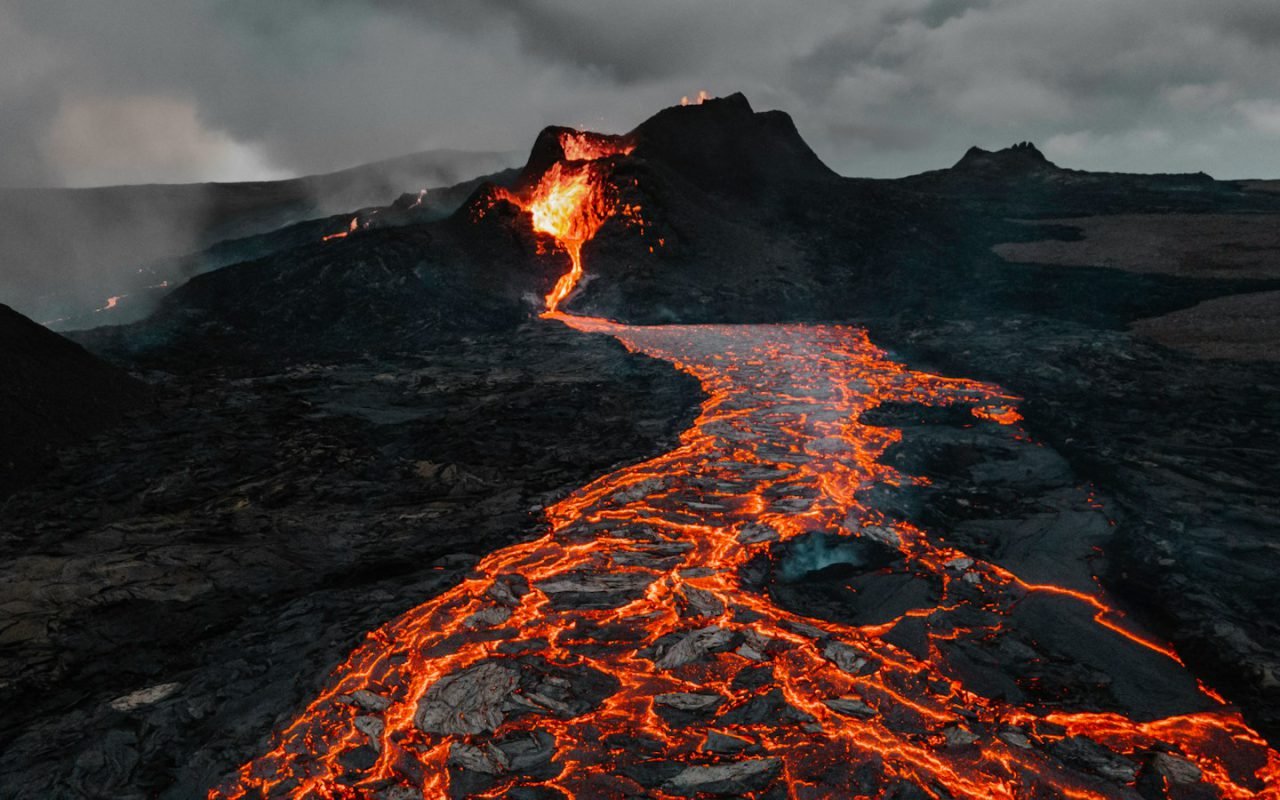
Earth & Climate Owen Hale7 min read
Inside Iceland’s New Age of Eruptions
Since 2021, the Reykjanes Peninsula has erupted again and again. Geologists explain why.
Owen Hale7 min read
Written by
Owen Hale
Owen is a geologist who has stood a safe distance from four erupting volcanoes and one very angry glacier.
10Articles
2026Writing since
After roughly 800 quiet years, the Reykjanes Peninsula in southwest Iceland woke up in 2021 with an eruption at Fagradalsfjall. For months, lava poured from a small cone in an empty valley, and hikers walked for hours across rough terrain to watch glowing rivers spill over the hills. At first it looked like a one-time show. It wasn’t. Since 2021, the Reykjanes Peninsula has erupted again and again, and the activity has moved closer to homes, roads and a geothermal power plant that supplies hot water and electricity to the region. Geologists now believe they are watching the start of something much longer than a single eruption. Here is what is happening beneath the peninsula, why it matters and how Icelanders are learning to live beside it.
A new cycle
Geologists think the region has entered a volcanic period that could last decades or longer. That idea comes from the rocks themselves. When scientists map old lava flows on the peninsula and date them, they find a clear pattern. Activity on Reykjanes doesn’t happen evenly over time. Instead, it comes in bursts, often called fires, that last for decades or even a few centuries, separated by long quiet spells of several hundred years.
The last of these active periods ended around the 13th century. After that, the peninsula was calm long enough for towns, a busy international airport, fishing harbors and power plants to be built across it. Nobody living there had ever seen an eruption nearby. The eruption at Fagradalsfjall changed that, and the eruptions that followed suggest the old pattern has returned.
What is driving it
Beneath the surface, molten rock collects in reservoirs a few miles down. As it builds up, the ground above slowly rises, sometimes by several inches over a few weeks. Scientists track that swelling with GPS stations and satellite radar that can detect tiny changes in the height of the land. When pressure grows high enough, magma forces its way upward through a long crack in the crust, a sheet-like intrusion called a dike. That movement sets off swarms of small earthquakes. If the magma reaches the surface, the result is a fissure eruption, with lava fountaining from a crack that can stretch for more than a mile.
Why Iceland is so volcanic
Iceland exists because of volcanoes. The island sits on the boundary between two great tectonic plates, the North American and the Eurasian. Along this boundary, the plates slowly pull apart, by roughly an inch a year, and molten rock rises to fill the gap. Most of that boundary lies hidden under the Atlantic Ocean, but in Iceland it rises above sea level.
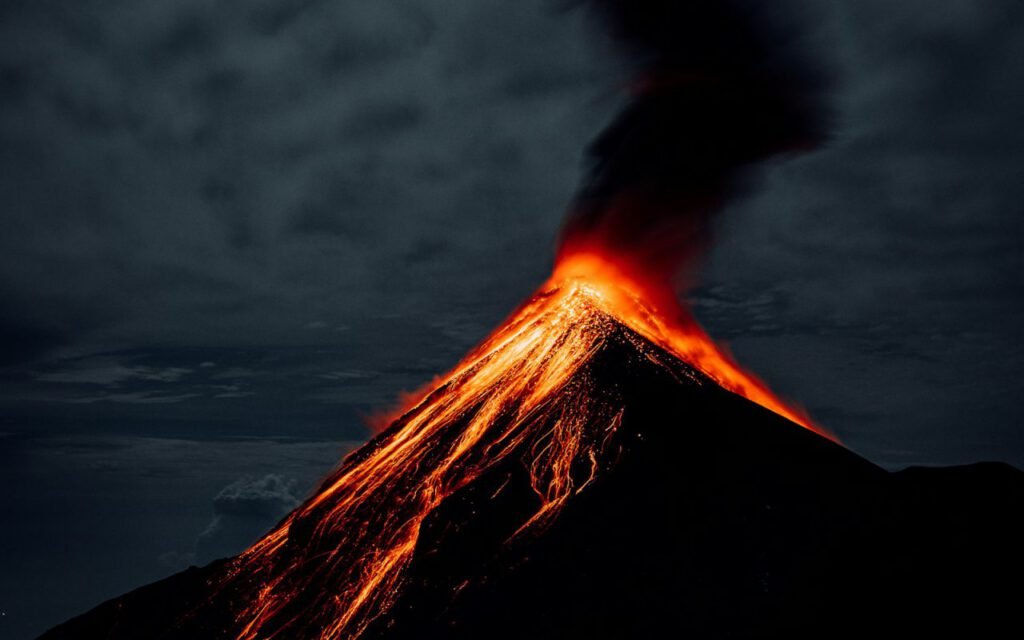
Iceland also sits above a hotspot, a region where unusually hot material wells up from deep within the Earth. The combination of a spreading plate boundary and a hotspot makes the island one of the most volcanically active places on the planet. Different parts of Iceland erupt in different styles. Some volcanoes are capped by glaciers and can produce explosive ash clouds when hot magma meets ice. Others, like the systems on Reykjanes, produce mostly runny lava with relatively little ash.
Iceland is a place where you can watch new land being made.
Dr. Owen Hale, geologist
What the eruptions look like
The Reykjanes eruptions have followed a fairly consistent pattern. First comes a period of ground uplift, sometimes lasting weeks. Then an intense swarm of earthquakes signals that magma is on the move. Within hours, sometimes less, a fissure opens and lava begins to fountain along it. The early hours are the most dramatic, with curtains of fire and fast-moving flows. Over the following days, activity usually focuses on a few vents that build small cones, and the eruption slowly fades.
Because these are fissure eruptions, they tend to produce little ash, which is why flights in and out of Iceland have generally continued during the activity. The bigger hazards are lava itself, which can bury roads, pipes and buildings, and volcanic gases. Sulfur dioxide drifting from the vents can irritate the lungs, especially for people with asthma or heart conditions, and local authorities issue air quality warnings when the wind blows toward populated areas.
- Uplift: The ground swells as magma collects below.
- Earthquake swarm: Rock cracks as magma pushes upward.
- Fissure opening: Lava fountains from a long crack in the ground.
- Waning phase: Activity narrows to a few vents and slowly stops.
Living with lava
Barriers, monitoring and evacuation plans now protect nearby towns and power plants. The fishing town of Grindavík, home to a few thousand people before the unrest, became the center of the story in late 2023. Intense earthquakes cracked streets and opened deep fractures beneath homes, and residents were evacuated. In the eruptions that followed, lava flows reached the edge of town and destroyed several houses. Many residents have since moved elsewhere, and the town’s future remains uncertain.
To protect critical sites, crews built long earthen walls, piling up crushed rock to redirect lava away from the town and from the nearby geothermal power plant. These barriers can’t stop lava outright, but they can steer it into safer paths. In several eruptions, the walls diverted flows that otherwise would have reached buildings and pipelines. Engineers have also buried key pipes and power lines and prepared backup systems so homes across the peninsula can keep heat and hot water if lines are cut.
How monitoring helps
Iceland’s national hazard scientists watch the peninsula around the clock using seismometers, GPS stations, gas sensors, cameras and satellite data. When uplift reaches levels seen before past eruptions, they raise the alert level and update hazard maps showing where lava might flow. Those maps guide evacuation plans for Grindavík and nearby tourist sites. Visitors are urged to follow official guidance, stay out of closed areas and remember that fresh lava fields can hide fragile crusts over hot rock.
What scientists are learning
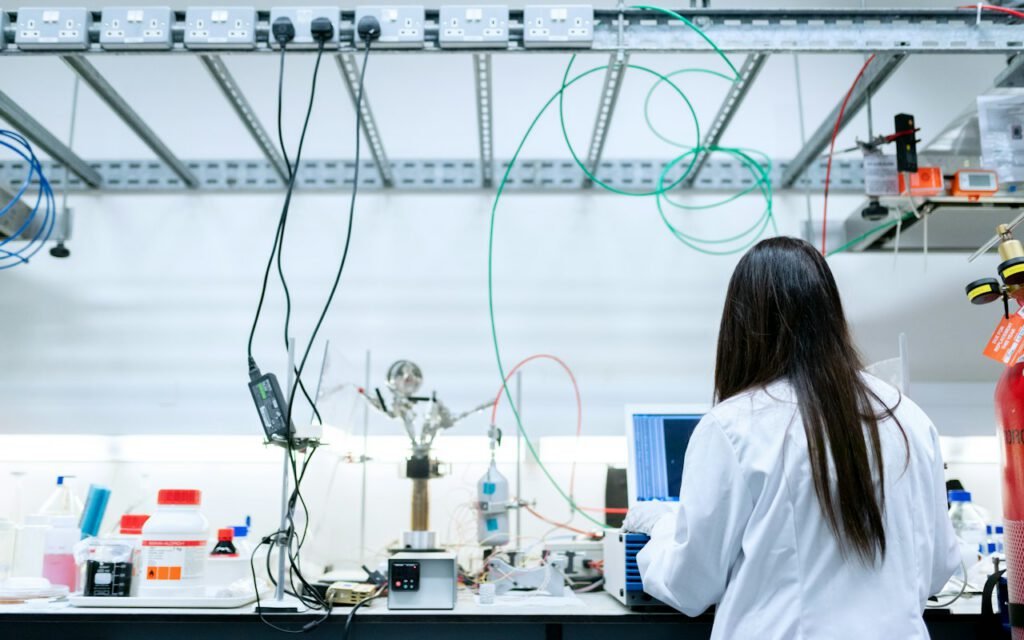
For researchers, the Reykjanes eruptions are a rare opportunity. Each eruption brings fresh lava that can be sampled within hours, giving scientists a direct look at the chemistry of magma from deep below. Changes in that chemistry from one eruption to the next help reveal how the underground plumbing is connected and where the magma comes from. Geologists from around the world have traveled to Iceland to study the activity, and the data is improving forecasts not only for Iceland but for volcanic regions elsewhere.
One big open question is how long the current cycle will last. Based on the older geologic record, some researchers think it could continue for decades, with eruptions shifting between different volcanic systems along the peninsula. Others caution that every cycle is different, and that the pattern could change. What most agree on is that this is not a single event but a new chapter in the peninsula’s history.
Key takeaway: Reykjanes has entered an active volcanic period after centuries of calm. Eruptions are likely to keep happening, and careful monitoring, barriers and planning are now part of daily life there.
Quick facts
- Iceland sits on the Mid-Atlantic Ridge
- Many of its eruptions are fissure eruptions
- Lava can reach about 2,100°F
- The Reykjanes Peninsula was quiet for roughly 800 years before 2021
- Past active periods on the peninsula lasted for decades or longer
For travelers, the eruptions have become a draw as well as a hazard. Tour operators run trips to viewpoints when it is safe, and old lava fields from the first eruptions can now be walked on marked trails. If you visit, check local alerts before you go, respect closures and keep a respectful distance. Watching a young planet at work is an experience few people forget, but it is safest when it is done with patience and good information.
Written by
Owen Hale
Owen is a geologist who has stood a safe distance from four erupting volcanoes and one very angry glacier.
10Articles
2026Writing since
Read next
Earth & ClimateCoral Reefs Cover Less Than 1% of the Ocean — and Shelter a Quarter of Its LifeWhy reefs matter and how scientists are helping them recover. Earth & ClimateHow Rainforests Make Their Own RainTrees breathe water into the sky — enough to shape the weather.
 Earth & ClimateLightning, ExplainedHotter than the surface of the Sun, and it strikes the Earth many times every second.
 Earth & ClimateWhat Glaciers RememberIce cores hold bubbles of ancient air — a time machine for climate.
 Earth & ClimateHow Wind Turbines Turn Breeze Into PowerBlades, gearboxes and why bigger is better.