


 NutritionHow to Build a Balanced PlateHalf vegetables, a quarter protein, a quarter whole grains.
Nutrition Nora Ellis6 min read
Hydration Without the Hype
Drink to thirst — with a few smart exceptions.
Nora Ellis6 min read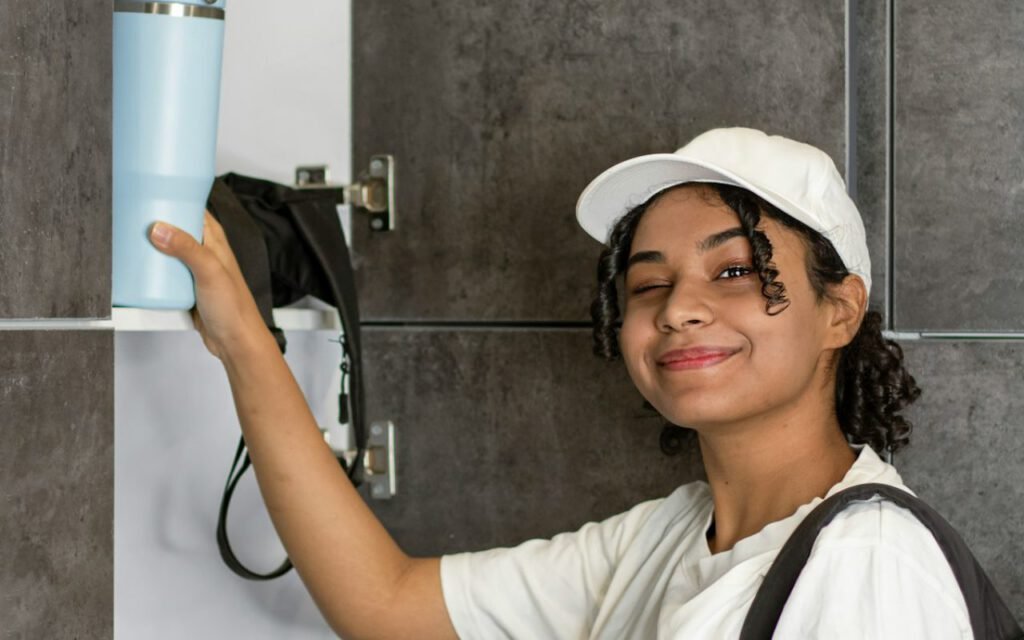

Written by
Nora Ellis
Nora is a registered dietitian who writes about food without rules, guilt or powders.
25Articles
2026Writing since
For most healthy people, drinking when thirsty and with meals keeps hydration on track. That might sound almost too simple in a world of gallon jugs with time stamps, flavored electrolyte powders and smart bottles that light up to remind you to sip. Hydration has become a big business, and with that business comes a lot of hype. The truth is calmer: your body is very good at telling you when it needs water, and for everyday life, listening to it usually works. There are a few smart exceptions, though, and knowing them can help you stay comfortable and safe when the weather heats up or your workouts get longer.
This guide cuts through the noise. It covers how your body manages water, when to drink more, how to check your hydration at a glance and when electrolytes might be worth a conversation with a professional.
How your body manages water
Water is involved in almost everything your body does, from regulating temperature to carrying nutrients to cushioning your joints. You lose water all day long through breathing, sweating and using the bathroom, and you replace it through drinks and food. Many fruits, vegetables, soups and other foods contain a surprising amount of water, and drinks like milk, tea and even coffee count toward your daily total too.
Your body keeps a close eye on its water balance. When you start running low, it triggers thirst and signals your kidneys to hold on to more water. For most healthy adults in everyday conditions, that system works well. You get thirsty, you drink, and the balance is restored.
You don’t need a gallon jug with motivational quotes. You need water when you’re thirsty.
Nora Ellis, registered dietitian
Registered dietitian Nora Ellis says many of her clients feel guilty for not hitting an arbitrary number of glasses a day. Needs vary widely, she explains, depending on body size, activity, climate and diet. A fixed target that works for one person may be too much or too little for another.
When to drink more
Hot weather, long workouts and heavy sweating all increase your needs. In these situations, thirst alone may lag a bit behind what your body is losing, so it helps to plan ahead.
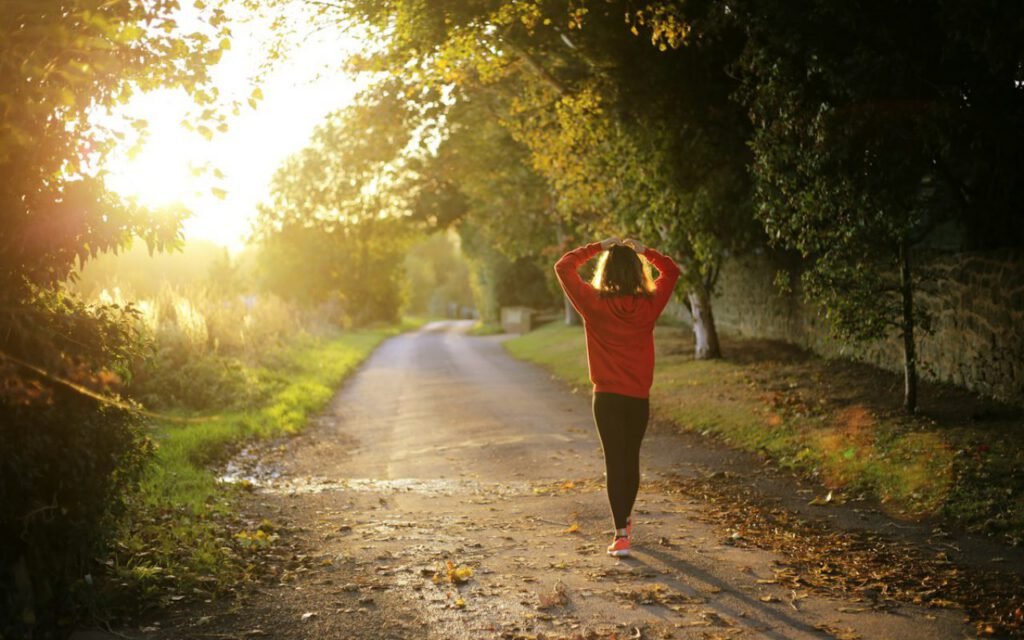
- Hot and humid days. When temperatures climb into the 80s and 90s, you sweat more, even if you are just doing yard work or walking around a theme park.
- Long or intense workouts. Sessions lasting more than an hour, or very hard efforts, can lead to significant sweat loss.
- High altitude. Visiting the mountains of Colorado or Utah can increase water loss through breathing.
- Illness. Fever, vomiting or diarrhea can cause you to lose fluids quickly. Talk to a doctor if you cannot keep fluids down.
On these days, drink a glass of water before you head out, carry a bottle with you and sip regularly. Afterward, keep drinking to replace what you lost. Some people like to weigh themselves before and after a long, sweaty workout to get a rough sense of how much fluid they lose, which can help them plan for next time.
Check the color
Pale yellow urine is a simple sign you’re drinking enough. It is a quick, free check you can do at any time of day. Darker yellow can suggest you need more fluids, while consistently clear urine may mean you are drinking more than you need. Keep in mind that some vitamins, foods and medications can change the color, so treat this as a general guide rather than an exact measurement.
Signs you need more water
Beyond color, watch for thirst, a dry mouth, headache, fatigue and dizziness. These can all be signs that you are low on fluids. During exercise in the heat, also watch for signs of heat illness, such as heavy sweating, cramps, nausea, confusion or feeling faint. If those appear, stop, get to a cooler place, drink water and seek medical help if you do not feel better quickly.
Electrolytes and sports drinks
When you sweat, you lose not only water but also electrolytes, such as sodium and potassium. For most everyday activity, a normal diet replaces those easily. For long sessions, especially in heat, some people benefit from a sports drink or electrolyte mix. Endurance athletes training for two hours or more, or people working outdoors on hot days, are the most likely to need them.

It is also possible to drink too much. Drinking very large amounts of plain water over a short time, especially during long endurance events, can dilute the sodium in your blood, which can be dangerous. That is one more reason to drink according to thirst and your own needs, rather than forcing down huge amounts. If you are training for a marathon or long event, a sports dietitian can help you plan.
Key takeaway: Drink when you are thirsty and with meals, add extra on hot or long workout days, and use urine color as a simple check. Ask a professional before relying on electrolyte products.
Try this
Simple habits are more effective than complicated rules. Start with these three.
- Carry a water bottle on workout days
- Drink extra on hot days
- Ask about electrolytes for long sessions
A reusable bottle that you actually like using makes a surprising difference. Keep it in your gym bag, on your desk or in your car so water is always within reach. On hot days, fill it before you leave home and refill it whenever you get the chance. If you are planning long runs, hikes or rides, especially in summer, ask a doctor or registered dietitian whether an electrolyte drink makes sense for you, and test it in training before using it on event day.
A simple hot-day plan
Say you are heading out for a 45-minute walk on a 90-degree July morning. Drink a glass of water with breakfast, fill a bottle before you leave and take a few sips every 10 or 15 minutes along the way. Choose a shaded route if you can, slow your pace and wear light, breathable clothing and a hat. When you get home, drink again and have a snack or meal. That simple routine covers most everyday summer activity without any special products.
Special situations
Some people need to follow specific fluid guidance from their doctor. This includes people with heart, kidney or liver conditions, and people taking certain medications such as diuretics. Older adults may not feel thirst as strongly, so they may benefit from drinking regularly with meals and keeping water nearby. Parents should watch young kids closely on hot days, since children may not notice thirst while they are busy playing.
Keep it simple
Hydration does not need to be complicated or expensive. For most people, water with meals, a bottle on workout days and a little extra when it is hot will cover their needs. Listen to your thirst, glance at the color check and plan ahead for long or sweaty sessions. If you are following the Stride Couch to 5K plan through the summer, schedule runs for cooler mornings or evenings and bring water along. Leave the hype on the store shelf.
General information, not medical advice. Check with your doctor before starting a new exercise or nutrition plan, especially if you have a health condition.
Written by
Nora Ellis
Nora is a registered dietitian who writes about food without rules, guilt or powders.
25Articles
2026Writing since
Read next
NutritionHow to Build a Balanced PlateHalf vegetables, a quarter protein, a quarter whole grains. NutritionProtein: How Much Do Active People Need?More than the minimum, less than the internet says.
 NutritionMeal Prep Sunday: Five Lunches in an HourOne tray, one pot, five containers.
 NutritionWhat to Eat Before and After a WorkoutSimple timing for energy and recovery.
2 Comments
Thanks for explaining this so clearly.
Great reporting — please keep following this story.