



 BudgetingThe 50/30/20 Budget, Explained in Five MinutesNeeds, wants and savings — the simplest budget that actually sticks.
 Rosa Jimenez6 min read
For a long time, our grocery bill was the one line in our budget that never seemed to behave. Our family of four was spending more than $1,100 a month on groceries. We were not buying anything fancy. We just shopped often, cooked without much of a plan and threw away more food than we wanted to admit. Three changes brought it under $900, without coupons. That is about $240 a month, or close to $2,900 a year, that now goes toward our savings goals instead of the trash can. Here is exactly what we did, what did not work and how you can try it at home.
Where the money was going
Before changing anything, we spent one month simply paying attention. We saved every receipt and, at the end of each week, looked at what we had bought and what we had thrown out. The results surprised us. We were not overspending on one big item. The money was leaking out in three places: unplanned trips to the store, food that went bad before we ate it and snacks that never made it onto a list.
That month of tracking was the most useful thing we did. If you try only one step from this article, try that. You cannot fix a problem you cannot see.
Plan five dinners, not seven
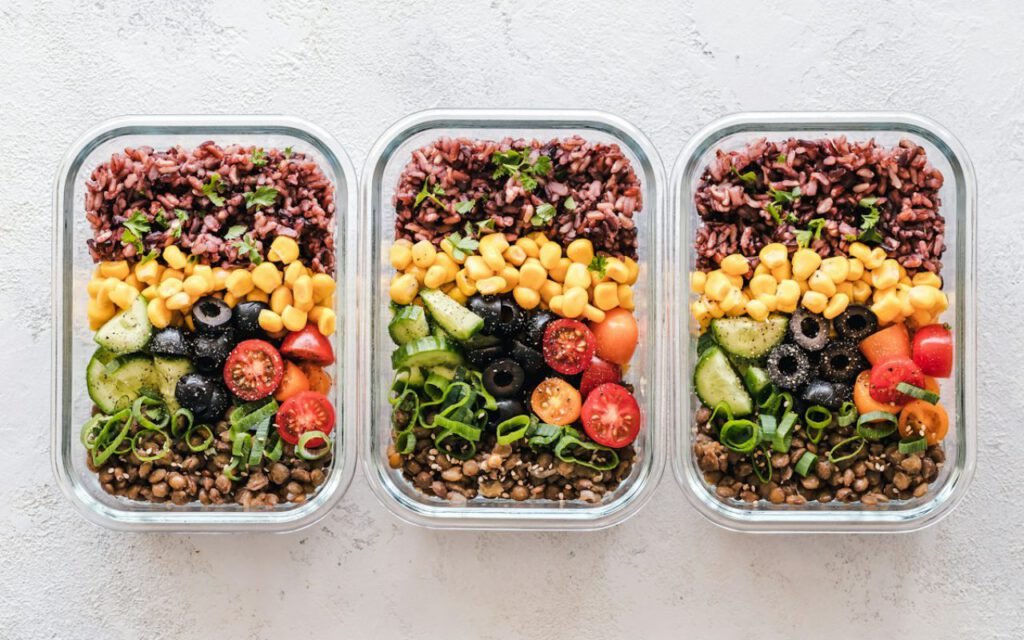
Our first change was a weekly meal plan, but with a twist. Leftovers and one “fridge clean-out” night cover the rest of the week. We used to plan seven dinners and inevitably end up with extra food, a night out we had not expected or a recipe nobody felt like cooking. Planning five dinners left room for real life.
On Sunday afternoons, we sit down for about 15 minutes and choose five dinners. We look at what is already in the fridge and pantry first, then build meals around it. We also try to overlap ingredients, so a bunch of cilantro or a bag of peppers gets used in two meals instead of wilting after one.
Our go-to weeknight lineup
- One pasta night, using whatever vegetables need to be used
- One sheet-pan dinner with chicken or sausage and roasted vegetables
- One soup or chili night, which usually produces lunch leftovers
- One taco or rice bowl night
- One breakfast-for-dinner night with eggs and toast
The fridge clean-out night has become a family favorite. Everyone gets creative with whatever is left, and it means the last few servings of soup or half a pepper actually get eaten.
The cheapest groceries are the ones you don’t throw away.
Sam Patel, Good Cents editor
Shop the list, once
Our second change was shopping only once a week with a written list. Every extra trip to the store added about $30 of things we didn’t plan to buy. A quick stop for milk would turn into milk, a bag of chips, a new sauce we wanted to try and a pack of cookies for the kids. Across three or four extra trips a week, that added up fast.
Now we keep a running list on the fridge. When something runs out, it goes on the list. On Sunday, the meal plan gets added, and that is the only list we shop from. If we run out of something midweek, we try to make do or swap in something we already have. It is surprising how often that works.
The rule about the snack aisle
Our third change was one simple family rule: we only walk down the snack aisle if snacks are on the list. Snacks were one of our biggest budget leaks, and many of them were impulse buys. Skipping the aisle entirely, unless we had a planned reason to go, removed most of the temptation. The kids still get treats; they are just planned treats.
Small habits that added up
Beyond the three big changes, a handful of smaller habits helped us keep the savings going month after month:
- Store brands for staples: flour, sugar, rice, canned goods, frozen vegetables and cleaning supplies are often very similar to name brands at a lower price
- Buying in bulk, carefully: only for items we use quickly and have room to store
- Checking unit prices: the price per ounce on the shelf tag often shows which size is the better deal
- Freezing extras: bread, cooked rice, shredded cheese and leftover soup all freeze well
- Eating before shopping: shopping hungry led to more impulse buys every time
We also started a simple first-in, first-out habit in the fridge. Newer groceries go to the back and older items move to the front, so we use them before they spoil. It sounds obvious, but it made a real dent in our food waste.
Key takeaway: Most grocery savings come from wasting less and shopping less often, not from extreme couponing or giving up foods you love.
What did not work for us
Not every idea stuck. We tried a strict cash envelope for groceries, and it caused more stress than savings because our shopping schedule did not line up with our pay dates. We also tried shopping at three different stores to chase the best prices, but the extra time and gas wiped out most of the savings. Your family may find that one of these works perfectly for you. The point is to experiment and keep what fits your routine.
Getting the kids involved
One surprise was how much our kids helped once we included them. Each child now picks one dinner a month from a short list of affordable options and helps make it. They are far more likely to eat a meal they chose, which means fewer uneaten plates and fewer requests for something else later. We also let them compare prices on a couple of items in the store, which has turned into a fun math lesson.
Packing lunches at home was another change the whole family made together. We build lunches from dinner leftovers and a few simple staples like fruit, yogurt and sandwiches, instead of buying lots of individually packaged snacks. It takes a few extra minutes each evening, but it has been one of the steadiest sources of savings in our budget.
Most important, we stopped treating the grocery budget as a punishment. We still enjoy a favorite treat now and then, and we still have pizza night. The difference is that those choices are planned, which makes them feel like a reward rather than a slip.
Try this week
You do not need to overhaul everything at once. Start with a few small steps and build from there:
- Check your fridge before you write the list
- Buy store brands for staples
- Eat before you shop
Then try planning five dinners for next week and see how it goes. Track your total for a month and compare it with the month before. If you save even $100, put it straight toward a savings goal so you can see the progress. For us, that $240 a month became a growing cushion in our emergency fund, and it all started with paying closer attention to what was in our cart and what was in our fridge.
This article is general education, not financial advice. Your situation is your own — talk to a licensed professional before big decisions.

Written by
Rosa Jimenez
Rosa paid off $41,000 of debt on a teacher’s salary, then started Good Cents to show others how. She still meal-plans every Sunday.
15Articles
2026Writing since
Read next
BudgetingThe 50/30/20 Budget, Explained in Five MinutesNeeds, wants and savings — the simplest budget that actually sticks. BudgetingThe No-Spend Weekend ChallengeForty-eight hours, zero dollars, surprisingly fun.
 BudgetingSubscriptions Audit: Find the $50 You Forgot AboutFifteen minutes with your bank app can pay for a dinner out every month.
 BudgetingBudgeting as a Couple Without FightingYours, mine and ours — three systems that work.
Written by
Rosa Jimenez
Rosa paid off $41,000 of debt on a teacher’s salary, then started Good Cents to show others how. She still meal-plans every Sunday.
15Articles
2026Writing since
Start the conversation