



 Home BuyingSaving for a House Down Payment: A Realistic PlanHow much you need, where to keep it and how long it takes.
Written by
Sam Patel
Sam explains investing like a friend over coffee: no jargon, no hot tips, just the basics that work.
9Articles
2026Writing since
An emergency fund turns a crisis into an inconvenience. When the car’s transmission fails, a pipe bursts under the sink or a paycheck suddenly stops, having cash set aside means the problem is stressful, but it does not spiral into credit card debt or missed rent. The classic target is three to six months of essential expenses. But that range is wide, and the right number for you depends on your job, your household and how much risk you can comfortably handle. Here is how to pick your number and how to start building it, even on a tight budget.
What counts as an emergency
Before choosing a target, it helps to be clear about what the fund is for. An emergency is something unexpected, necessary and urgent. A sudden job loss, a medical bill, a major car repair or an emergency trip to care for a family member all qualify. A great sale on a television, a vacation or holiday gifts do not, since those can be planned for in a separate savings goal.
Keeping that line clear protects the fund. Many people find it helpful to write their own short definition and keep it with their account information. When you are tempted to dip in, ask: is this unexpected, necessary and urgent? If not, it belongs in another bucket.
Start with one month
Even $1,000 covers many car repairs and medical bills. Build from there. A starter fund like this is often the most important step, because it breaks the cycle of putting every surprise expense on a credit card.
Once you have that first cushion, aim for one full month of essential expenses. Then work toward three months, and then beyond if your situation calls for it. Breaking the goal into stages makes it far less intimidating than staring at a five-figure target from day one.
You don’t need a perfect fund. You need a fund.
Dana Whitaker, certified financial planner

How to pick your number
The three-to-six-month range is a starting point. Where you land within it, or whether you go beyond it, depends on a few questions about your life.
Lean toward three months if
- You have a steady job in a field where openings are common
- Your household has two reliable incomes
- You have few dependents and low fixed costs
- You have good health and disability insurance
Lean toward six months or more if
- You are self-employed, a freelancer or work on commission
- Your household relies on a single income
- You have children, care for a parent or have a chronic health condition
- You work in an industry with frequent layoffs or long hiring times
- You own a home, especially an older one that may need repairs
To find your monthly figure, add up only the essentials: rent or mortgage, utilities, groceries, insurance, transportation, minimum debt payments and child care. Leave out restaurants, streaming services and other wants, since you would likely cut those in a real emergency. Multiply that total by the number of months you choose.
For example, if your essential expenses come to $3,000 a month, three months would be $9,000 and six months would be $18,000. Those numbers can feel big, which is exactly why starting small matters.
Where to keep it
A separate high-yield savings account: easy to reach, but not so easy you spend it on a Tuesday. You want the money available within a day or two if you need it, but not sitting in the same checking account you use for everyday purchases.
A few features to look for in an emergency fund account:
- Insurance on deposits, such as FDIC coverage at a bank or NCUA coverage at a credit union
- No monthly fees or minimum balance requirements you might struggle to meet
- A competitive interest rate, so your money grows a little while it waits
- Easy transfers to your main checking account
Most experts suggest keeping emergency savings out of the stock market. Investments can fall in value just when you need them, such as during an economic downturn when layoffs are more common. The goal of this money is safety and access, not growth.
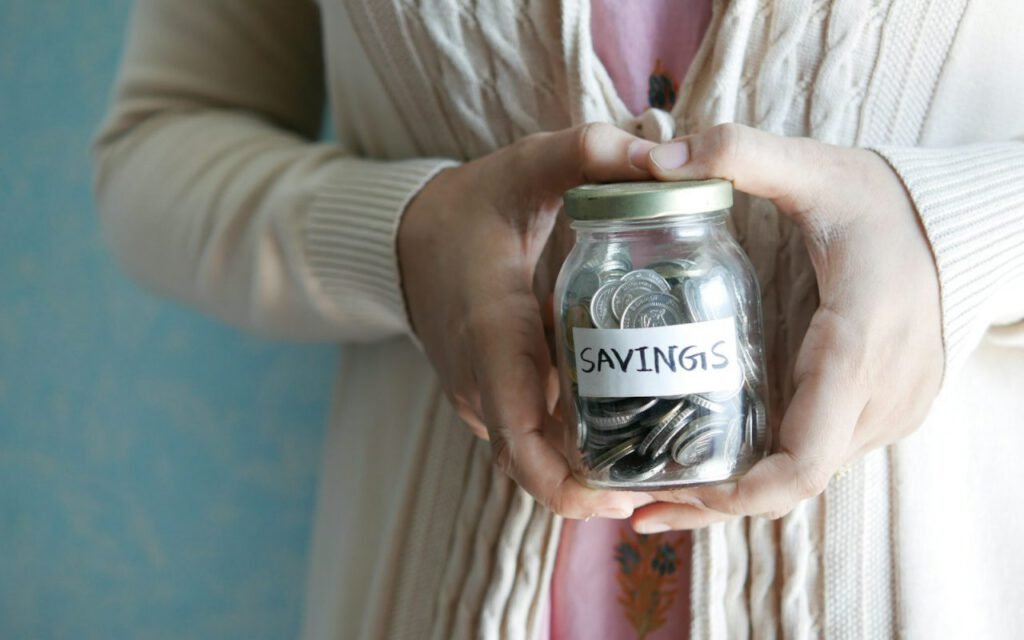
Building it on a tight budget
Saving several months of expenses can feel impossible when money is already tight. The good news is that small, steady steps add up. Automating a transfer of $25 or $50 each payday builds a $1,000 starter fund in less than a year without any extra effort once it is set up.
Other ways to speed things up:
- Put tax refunds, bonuses or cash gifts straight into the fund
- Sell items you no longer use and deposit the money
- When you pay off a debt, redirect that payment to savings
- Round up purchases and save the difference
Key takeaway: The size of your fund matters less than the habit of building it. Start small, automate it and let it grow.
Emergency fund or debt payoff first?
One of the most common questions we hear is whether to build savings or pay down high-interest debt first. Many planners suggest a middle path: build a small starter fund of about $1,000 or one month of expenses, then focus extra money on high-interest debt, then return to building the full fund. Without that starter cushion, a single surprise expense can push you right back onto a credit card and undo months of progress.
Your situation may call for a different balance. If your job feels shaky, leaning harder on savings can make sense. If your debt carries a very high interest rate and your income is stable, attacking the debt sooner may be worth it. A financial professional can help you weigh the trade-offs.
Talk about it at home
If you share finances with a partner, agree together on your target and on what counts as an emergency. Disagreements about money are much easier to settle on a calm Sunday afternoon than in the middle of a crisis. Some couples keep a shared fund for household emergencies plus a small personal cushion each, which can help both people feel secure.
After you use it
Using your emergency fund is not a failure; it is the whole point. Once the emergency has passed, make refilling the fund a priority. Restart your automatic transfers and, if possible, temporarily increase them until you are back to your target.
Finally, give your fund a name. It sounds small, but labeling the account something like “Car and Roof Fund” or “Peace of Mind” can make it feel less like spare cash and more like a promise to your future self. Many people find that a named account is easier to leave alone, and it makes each new milestone feel worth celebrating. Revisit the name and the target once a year, ideally at the same time you review your insurance and other bills, so the fund keeps pace with your life.
Try this week
An emergency fund is one of the most powerful financial tools you can build, and you can start right now with whatever you have. Here are three steps for the next seven days:
- Add up one month of essential bills
- Open a separate savings account
- Automate a transfer on payday
Once those three steps are done, the fund will grow on its own. Check in every few months, celebrate each milestone and adjust your target as your life changes. A new baby, a new home or a change in jobs are all good reasons to revisit your number.
This article is general education, not financial advice. Your situation is your own — talk to a licensed professional before big decisions.
Written by
Sam Patel
Sam explains investing like a friend over coffee: no jargon, no hot tips, just the basics that work.
9Articles
2026Writing since
Read next
Home BuyingSaving for a House Down Payment: A Realistic PlanHow much you need, where to keep it and how long it takes. SavingPay Yourself First: The Habit That Changes EverythingSave before you spend — automatically.
 SavingSinking Funds: Never Be Surprised by a “Surprise” Bill AgainCar repairs, holidays and annual fees aren’t emergencies. Plan for them.
 SavingHigh-Yield Savings Accounts: What They Are and Why They MatterYour savings should earn something. Here’s what to look for.
Start the conversation