Designing a Kids’ Room That Grows With Them
Furniture, storage and decor that work from toddler to tween.
 Tessa Grant6 min read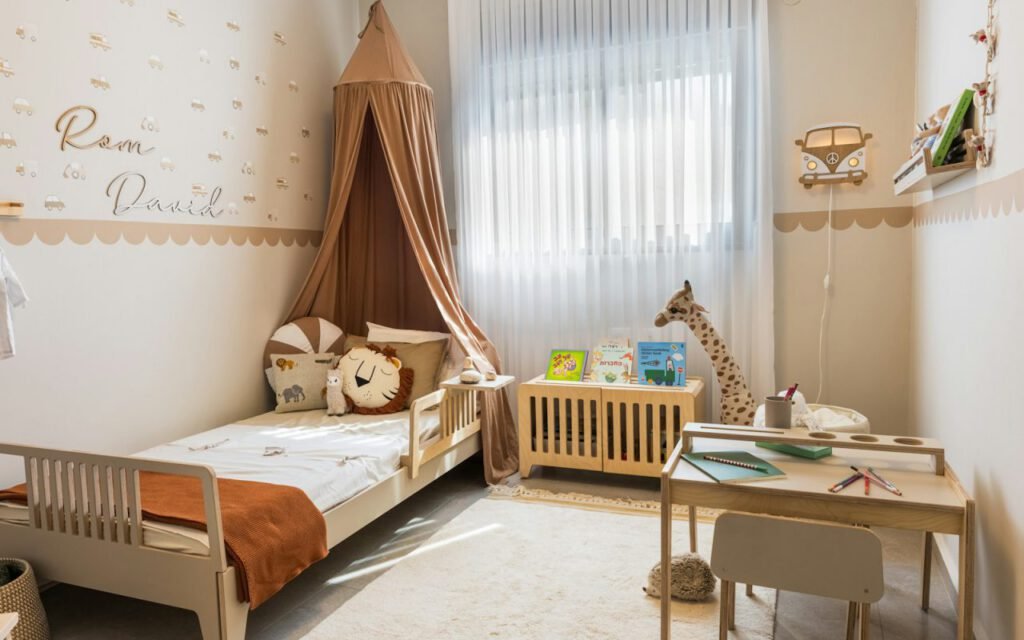

Tessa Grant
Tessa develops family recipes and has fed one very picky eater since 2019.



A room that grows with your child saves money and makes changes easier as they get older. The toddler who wants dinosaurs on every surface becomes the seven-year-old obsessed with space, then the eleven-year-old who suddenly finds both of those embarrassing. If you redecorate from scratch at every stage, you will spend a small fortune and a lot of weekends. If you plan the room in layers, with a solid, simple base and easy-to-swap details on top, you can follow your child’s changing tastes without starting over. It is also, quietly, a parent wellbeing strategy: fewer big projects, fewer arguments over furniture and more time to enjoy the room together.
Plan in layers
Think of a kids’ room as three layers. The first layer is the shell: walls, floors, window coverings and lighting. The second is the big furniture: bed, dresser, shelves and desk. The third is everything that is easy to change: bedding, art, rugs, pillows, lamps and storage bins.

The trick is to keep the first two layers neutral and sturdy, and to let the third layer carry all the personality. A soft white or warm gray wall will work with a rainbow rug at age three and a moody navy comforter at age twelve. A natural wood bed frame goes with almost anything. When your child falls for a new color or character, you change a few inexpensive things instead of the whole room.
Invest in basics
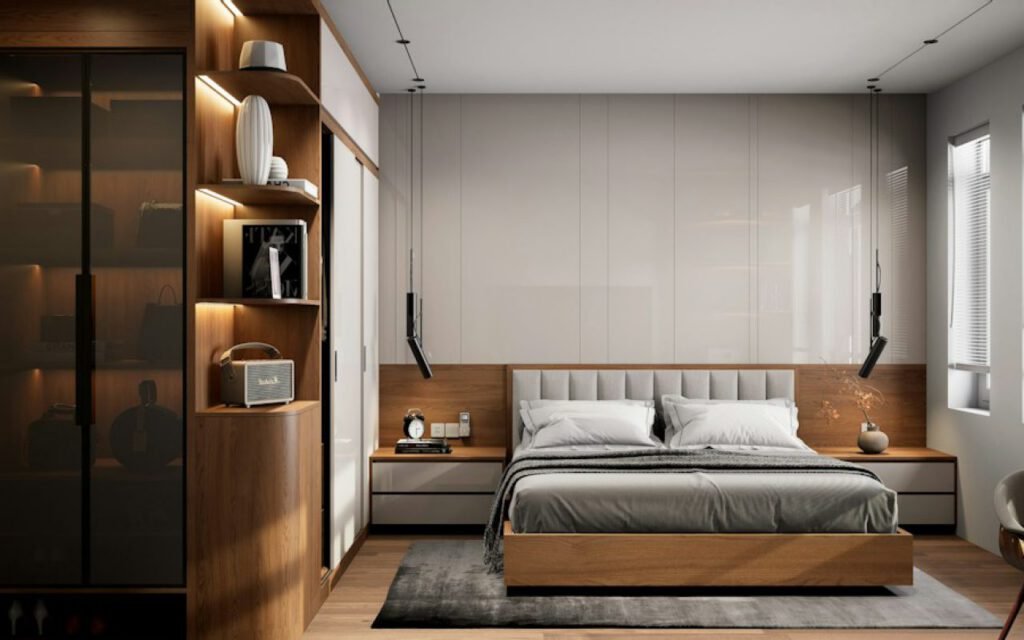
A sturdy bed, adjustable shelves and a desk that can grow taller. These are the pieces worth spending a little more on, because they will see years of daily use and the occasional bounce, climb and fort-building session.
The bed
Many families go straight from a crib or toddler bed to a twin-size bed with a simple frame. A twin will fit a child well into the teen years, and you can find bedding for it anywhere. If floor space is tight, consider a frame with drawers underneath or a bed that is raised just enough for storage bins. Save bunk beds and lofts for when kids are older; manufacturers typically recommend that children under six not sleep on a top bunk, and guardrails should run along both sides.
Shelves and storage
Adjustable shelving is one of the most useful things you can put in a growing child’s room. Low shelves hold board books and toy bins for a toddler, then move up for chapter books, trophies and collections later. Cube shelving with fabric bins is flexible and affordable, and the bins can be relabeled as interests change.
The desk
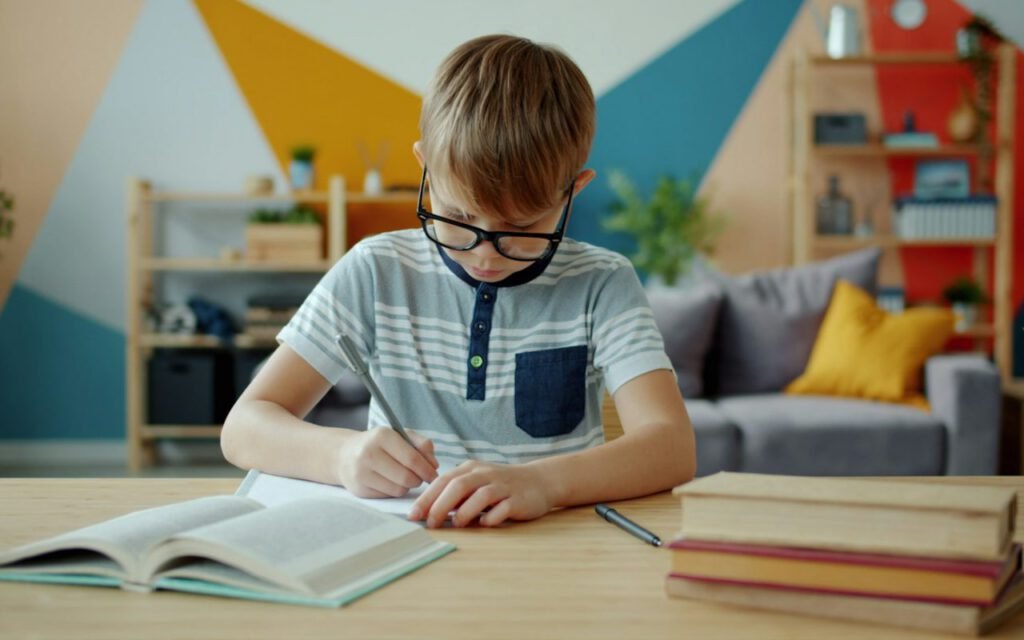
A desk with adjustable legs, or a simple table paired with an adjustable chair, works from coloring at age four to homework at age ten. Place it near a window for natural light, and add a desk lamp for evenings.
Safety that lasts
As children grow, they climb, pull and test everything. The safety steps you took in the nursery still matter, and a few new ones join the list.
- Anchor every dresser, bookcase and tall piece of furniture to the wall
- Choose cordless blinds or keep cords tied high and out of reach
- Keep heavy items on lower shelves and lighter items up high
- Install window guards or stops on upper-floor windows
- Check that toy chests have lids that stay open and will not slam shut
- Keep a smoke alarm in or near the bedroom and test it monthly
It is worth walking the room every year or so with fresh eyes. What was out of reach last year may be easy to climb to today.
Change the small things
Bedding, art and lighting can update the room as tastes change. A new comforter and pillow covers can transform a space in an afternoon. Removable wall decals, a gallery wall of frames with swappable prints and a string of soft lights let your child put their stamp on the room without paint or nails.
Kids take better care of a room they helped design.
Marcus Hale, elementary school teacher
Marcus Hale sees the same effect in his classroom every fall. When students help arrange the reading corner, choose a theme for a bulletin board or decide where supplies live, they keep things tidier and treat the space with more respect. At home, the same instinct applies. Let your child pick between two or three options you are happy with, such as a set of bedding or the color of a lampshade, and they will feel real ownership of the result.
Lighting for every age
Lighting does a lot of quiet work. A dimmable overhead light, a reading lamp by the bed and a desk lamp cover most needs. A small night-light is comforting for younger kids, and older children often love the cozy feel of a warm string light or a lamp with a colored shade. Swapping a lampshade is one of the cheapest ways to change the mood of a room.
Storage kids can actually use
Use low, open storage for toys. If kids cannot reach their things, they cannot put them away, and the floor becomes the default shelf. Shallow bins on low shelves, hooks at child height for backpacks and jackets and a basket for stuffed animals make cleanup something a four-year-old can do on their own.
Labels help too. Use pictures for pre-readers and words for older kids. As interests change, the bins can shift from blocks and trains to art supplies, then to sports gear, hobby kits and books. Rotating toys, keeping some in a closet and swapping them every few weeks, keeps the room from overflowing and makes old toys feel new again.
Room to grow, stage by stage
It can help to picture how the same room will work at different ages before you buy anything. In the toddler years, the floor is the main play space, so keep it open, add a soft rug and put toys on the lowest shelves. In the early school years, a reading nook with a beanbag and a small bookcase becomes the heart of the room, and the desk starts to get real use. By the tween years, kids often want more privacy and a place for friends to hang out, so extra seating, a bulletin board and somewhere to display collections matter more than toy storage.
If you share a room between siblings, give each child a defined zone, even if it is just their own shelf, bin and wall space for art. A small sense of ownership goes a long way toward keeping the peace.
Key takeaway: Spend on the bed, shelves and desk. Save on everything that carries the theme, because that is what will change next.
Quick tips
- Anchor furniture to the wall
- Use low, open storage for toys
- Let your child help choose
A room that grows with your child does not have to be perfect on day one. Start with safe, sturdy basics, leave space for change and invite your child into the decisions. Over the years, the room will tell the story of who they are becoming, one new comforter, bookshelf and poster at a time, and you will have saved yourself a lot of money and weekends along the way.
This article is general information, not medical advice. Talk to your own doctor or midwife about your family.
Tessa Grant
Tessa develops family recipes and has fed one very picky eater since 2019.


Start the conversation