


 NutritionHow to Build a Balanced PlateHalf vegetables, a quarter protein, a quarter whole grains.
Nutrition Nora Ellis6 min read
What to Eat Before and After a Workout
Simple timing for energy and recovery.
Nora Ellis6 min read

Written by
Nora Ellis
Nora is a registered dietitian who writes about food without rules, guilt or powders.
25Articles
2026Writing since
For most workouts under an hour, regular meals are enough. Timing matters more for long or very hard sessions. That simple fact can save you a lot of worry, and a lot of money spent on powders and bars you do not really need. If you are heading out for a 30-minute walk, a yoga class or a quick strength circuit, the breakfast, lunch or dinner you would eat anyway is usually plenty. But when workouts get longer, harder or earlier in the morning, a little planning around what you eat before and after can help you feel better, perform better and recover faster.
This guide breaks it down into plain language: what to eat before a workout, what to eat after, how much water you need and how to figure out what works for your own body. No complicated formulas, no special products, just simple timing for energy and recovery.
Why timing matters, sometimes
Your body uses a mix of fuels during exercise, and carbohydrates are its preferred source for harder efforts. Some carbohydrate is stored in your muscles and liver, ready for action. For short and moderate workouts, those stores are usually more than enough. During long or intense sessions, such as a two-hour bike ride, a long run or a demanding team practice, those stores can start to run low. That is when what you ate a few hours earlier, and what you eat afterward, starts to make a noticeable difference.
There is also the comfort factor. A big, heavy meal right before a run can leave you feeling sluggish or uncomfortable. Exercising on a totally empty stomach can leave some people lightheaded. The goal is to find the middle ground that works for you.
Before
A light snack with carbohydrates one to two hours before — like toast with banana — can help energy. Carbohydrates are digested relatively quickly and give your muscles readily available fuel. Keeping the snack light and fairly low in fat and fiber helps it settle easily, so you are not running with a heavy stomach.
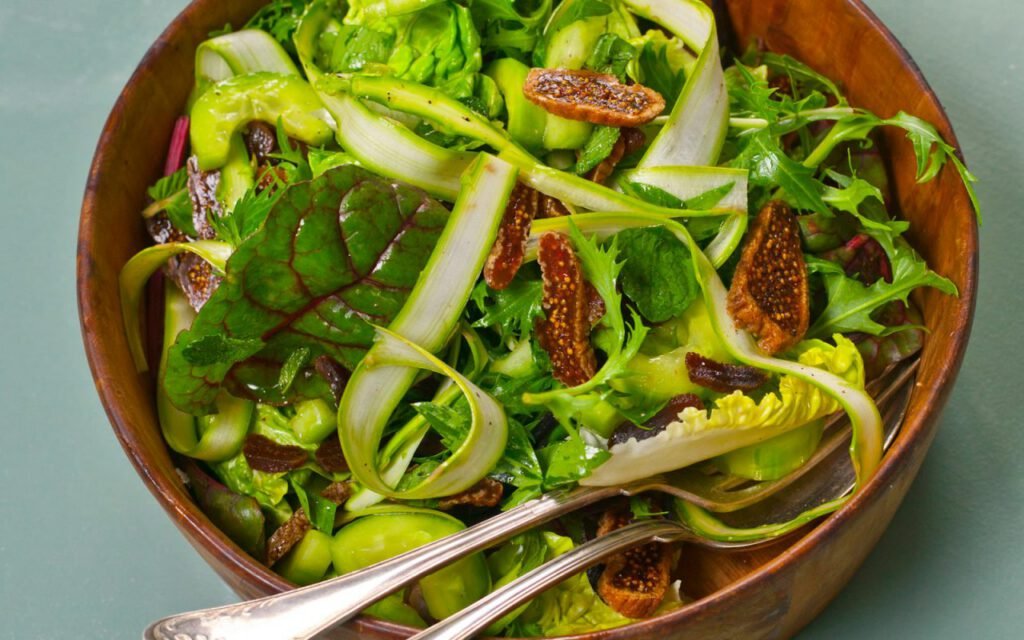
Good pre-workout options include:
- A slice of toast with banana or a little honey
- A small bowl of oatmeal with berries
- A piece of fruit and a handful of crackers
- A small yogurt with a spoonful of granola
- Half a bagel with a thin layer of peanut butter
If you are eating a full meal rather than a snack, give yourself more time, often around three hours, so your body has a chance to digest it. Everyone is different, so use your training sessions to find your ideal window.
Early morning workouts
If you exercise first thing in the morning, you might not have time or appetite for a full breakfast. For a short, easy session, many people do fine with just water. For something longer or harder, try a small, quick snack like half a banana or a few sips of juice 20 to 30 minutes before you start, then eat a proper breakfast afterward.
Fuel is part of the workout. Show up with something in the tank.
Nora Ellis, registered dietitian
Registered dietitian Nora Ellis sees many clients who skip food before workouts because they think it will help with weight goals, then wonder why their energy crashes halfway through. A modest snack, she says, often lets you work harder and feel better, which makes the workout itself more effective.
After
A meal with protein and carbohydrates within a few hours supports recovery. Protein provides the building blocks your muscles use to repair and adapt after training. Carbohydrates help refill the energy stores you used up. Together, they help you bounce back for your next session.
For most people, the easiest approach is to time a regular meal for within a few hours after exercise. If you work out in the late afternoon, dinner takes care of it. If you train in the morning, breakfast does the job. There is no need to rush to the kitchen the second you finish.
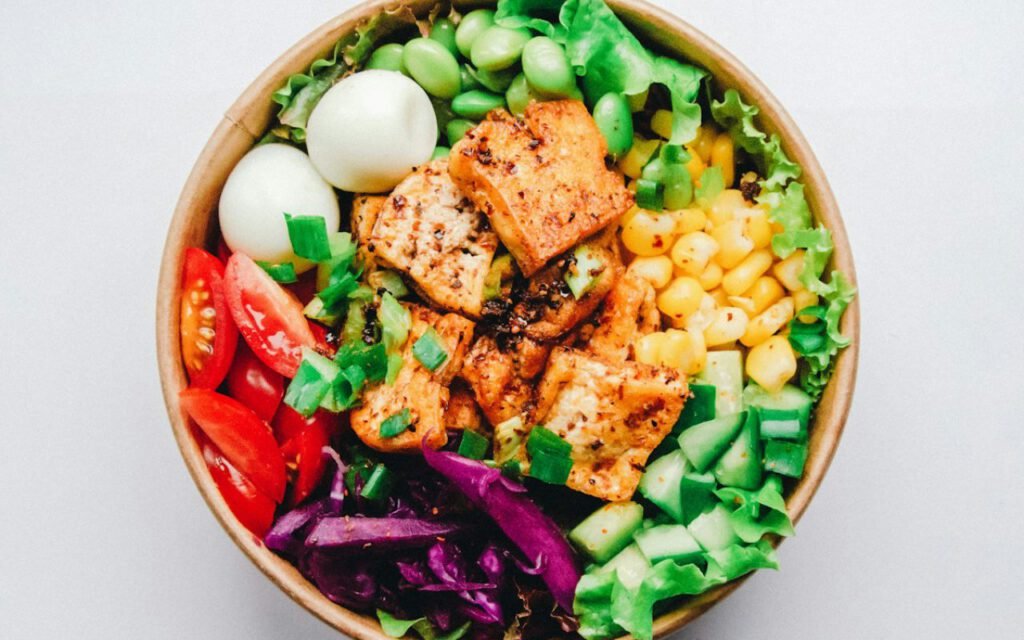
Easy post-workout meals include:
- A salmon or chicken bowl with rice and vegetables
- Scrambled eggs with whole-grain toast and fruit
- Greek yogurt with granola and berries
- A turkey and cheese sandwich with a piece of fruit
- Black beans, rice and roasted vegetables with salsa
- A smoothie made with milk or yogurt, banana and a handful of spinach
If your next meal is many hours away, a small snack with a mix of protein and carbs, such as chocolate milk or a yogurt, can tide you over.
What about protein shakes?
Protein shakes and bars can be handy when you are on the go, but they are not required. For most people, regular food covers protein needs just fine. A carton of yogurt, a couple of eggs, a turkey sandwich or a bowl of beans and rice will do the same job as a shake, often with more fiber, vitamins and minerals along the way. If you like the convenience of a shake, it can fit into a balanced diet. If you would rather eat a real meal, that works too. A registered dietitian can help you figure out how much protein makes sense for your body and goals.
Water before, during and after
Hydration is part of fueling too. Drink water through the day, sip a glass or so before you exercise and carry water for longer sessions or hot weather. Afterward, keep drinking to replace what you lost in sweat. For long, sweaty workouts, especially in summer heat, some people benefit from a sports drink or electrolyte mix. If you are unsure whether that applies to you, ask a dietitian or your doctor.
Key takeaway: For everyday workouts, focus on good regular meals. Add a light carb snack before longer or harder sessions and a balanced meal afterward.
Try this
The best fueling plan is the one you have tested on your own body. Use these three guidelines as a starting point.
- Don’t train on a completely empty stomach if it makes you dizzy
- Drink water before, during and after
- Experiment in training, not on race day
Treat your training sessions like a lab. Try toast and banana before one run, oatmeal before another and nothing at all before a third. Write down how you felt, how your energy held up and whether your stomach was happy. After a few weeks, you will have a personal playbook. And if you have a race or big event coming up, stick with what you know works. Race morning is not the time to try a new snack.
Keep it simple
Nutrition for exercise can sound complicated, but for most people it comes down to a few easy habits: eat regular, balanced meals, add a light snack when workouts get long or hard, recover with protein and carbohydrates, and drink enough water. If you want to see how your meals fit your goals, try the Stride calorie and macro calculator, which starts in US units, and look at the macro donut for a quick picture of your plate. If you have diabetes, a digestive condition or other health concerns, talk with your doctor or a registered dietitian about a plan that fits you.
General information, not medical advice. Check with your doctor before starting a new exercise or nutrition plan, especially if you have a health condition.
Written by
Nora Ellis
Nora is a registered dietitian who writes about food without rules, guilt or powders.
25Articles
2026Writing since
Read next
NutritionHow to Build a Balanced PlateHalf vegetables, a quarter protein, a quarter whole grains. NutritionProtein: How Much Do Active People Need?More than the minimum, less than the internet says.
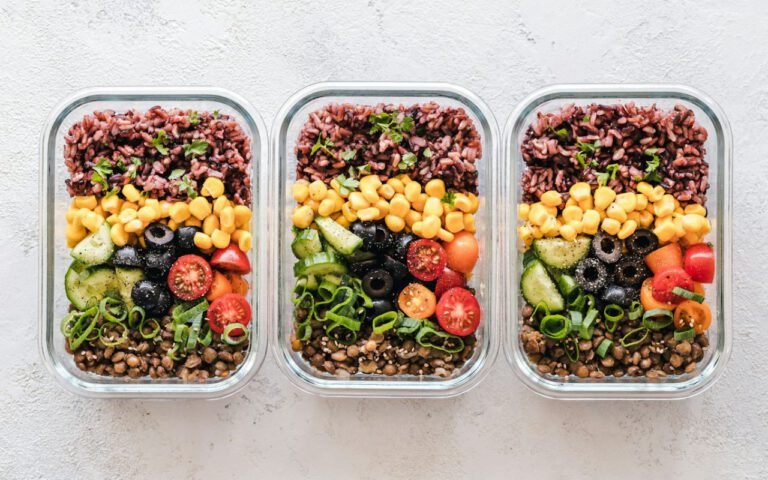 NutritionMeal Prep Sunday: Five Lunches in an HourOne tray, one pot, five containers.
 NutritionHydration Without the HypeDrink to thirst — with a few smart exceptions.
Start the conversation