Why We Clean Top to Bottom, Left to Right
The order that saves half an hour.
 Hannah Wells6 min read
Hannah Wells
Hannah has kept Seattle homes fresh since 2015.



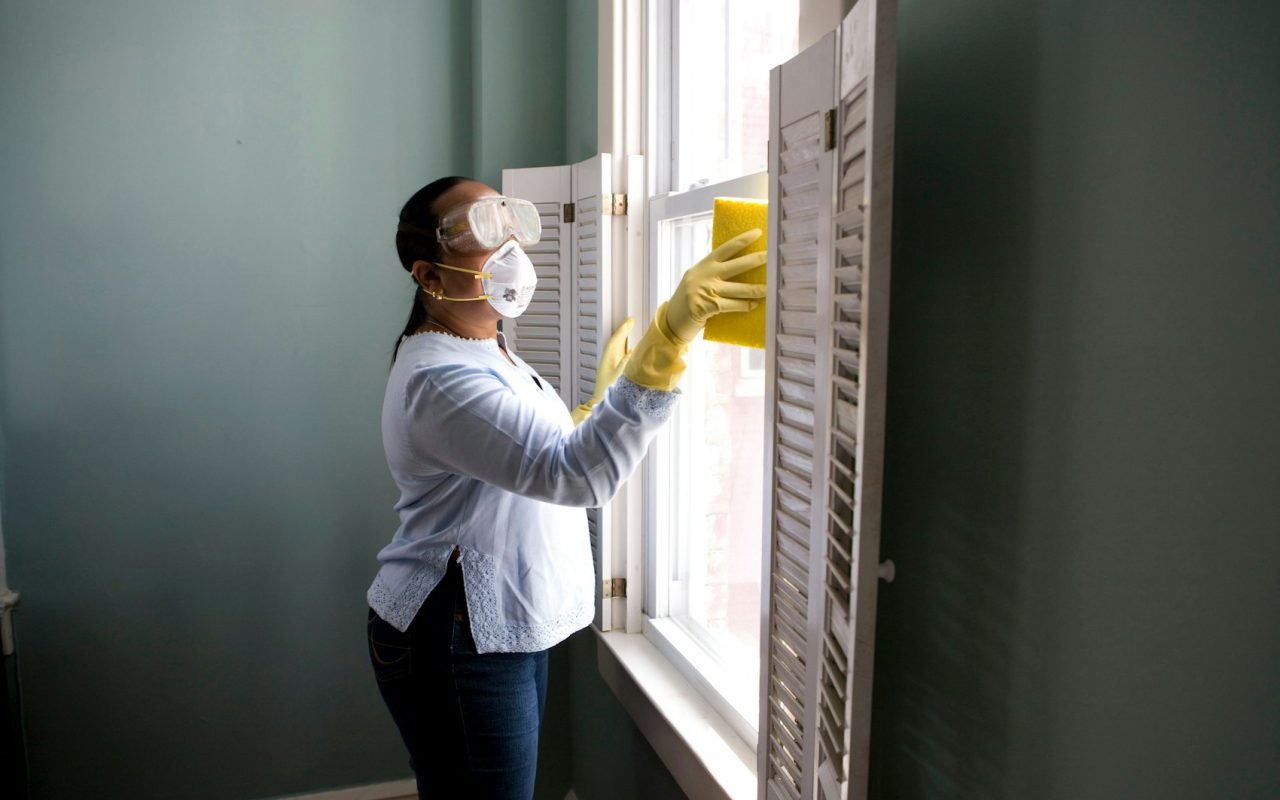
Watch an experienced cleaner work through a room and it can look almost like a dance. They move in one direction, starting high and finishing low, and they never seem to go back over the same spot. Professional cleaners follow a strict order. It is not about rules; it is about not cleaning anything twice. Once you understand the logic, you can use the same system at home and save yourself a surprising amount of time and effort.
Our team at FreshNest trains every new cleaner on this method during their first week. It is one of the main reasons a professional clean takes less time than you might expect, and it is easy to learn.
Top to bottom
Dust falls. Start with fans and shelves, finish with the floor. That is the entire principle, and it explains why so many home cleaning sessions end in frustration. If you vacuum first and then dust the bookshelves, the dust you knock loose lands on the floor you just cleaned. Now you have to vacuum again.
Working from top to bottom means gravity is working for you instead of against you. Every bit of dust, crumb or cobweb you dislodge falls onto a surface you have not cleaned yet. By the time you reach the floor, it is the last stop for everything.
The top-to-bottom order
- Ceiling fans, light fixtures and the tops of tall furniture
- Upper shelves, picture frames and window treatments
- Counters, tables and other waist-high surfaces
- Chairs, lower shelves and baseboards
- Floors, vacuumed or swept first, then mopped
The floor is always last. Always.
Sofia
Sofia, one of our team leads, repeats that line to every trainee. It sounds obvious, but it is the most common mistake we see. People often start with the floors because they look the dirtiest. Resist the urge. The floor will look its best if it is the final thing you clean.

Left to right
Work around each room in one direction so nothing gets missed. Our team usually starts at the door and moves to the left, following the walls all the way around the room until they arrive back at the entrance. Some cleaners prefer to go right; the direction does not matter as long as it never changes.
This habit solves a different problem. When you bounce around a room, cleaning whatever catches your eye, it is easy to skip a corner or a side table. Working in one direction gives you a built-in checklist. When you are back at the door, you know you have touched every surface.
Combining the two
The real power comes from combining both rules. As you move around the room from left to right, you clean each section from top to bottom. When the loop is finished, you do the floor last, working from the far corner back toward the door so you are not walking on wet floors or tracking dust across clean ones.
Applying the method room by room
The same order works in every room, with a few adjustments.
Kitchen
Start with the tops of the cabinets and the range hood, then move to the cabinet fronts, counters, backsplash and stovetop. Clean the sink last among the surfaces, since you will rinse cloths there. Finish with the floor, paying attention to the space in front of the stove and dishwasher.
Bathroom
Dust the light fixture and exhaust fan cover first. Spray the shower and tub so the cleaner can sit while you work on the mirror, vanity and sink. Then scrub the shower, clean the toilet from the tank down to the base and mop the floor on your way out.

Bedroom and living room
Dust the ceiling fan, then the top of dressers and bookshelves, then lamps and nightstands. Straighten the bed or cushions before you vacuum, since fluffing pillows releases dust. Vacuum the floor last, moving furniture where you can.
Tools that make the method easier
You do not need a closet full of products to clean like a professional. What helps most is having the right tools within reach, so you are not walking back and forth across the house. Our cleaners carry a simple caddy with a few essentials:
- An extendable duster for fans, high shelves and corners
- A stack of microfiber cloths in different colors for different rooms
- One all-purpose spray, one glass cleaner and one bathroom cleaner
- A small scrub brush for grout and tight spots
- A vacuum with a crevice tool and a flat mop with washable pads
Using different cloth colors for the kitchen, bathroom and general dusting is a simple habit that keeps germs from traveling between rooms. It also means you never have to wonder which cloth you used on the toilet.
Key takeaway: Clean high to low and move in one direction. You will touch every surface once, and you will be done sooner.
Mistakes that undo the method
Even with the right order, a few habits can slow you down or leave a room looking less than clean. These are the ones our trainers correct most often:
- Spraying cleaner directly on electronics or wood furniture instead of on the cloth
- Using a single damp cloth for the whole room, which spreads grime instead of removing it
- Skipping the dry pass on glass and mirrors, which leaves streaks behind
- Mopping before vacuuming, which turns dust and hair into muddy streaks
- Stopping halfway around the room to start a different task somewhere else
That last one is the hardest habit to break. It is natural to notice a messy closet or a pile of mail and want to deal with it right away. Instead, keep a sticky note or a mental list and come back to those jobs once the room is finished. Staying on the path is what keeps the method fast.
Another tip from Sofia: let cleaners do some of the work. Spray the shower or the stovetop at the start, then move on to other surfaces while the product sits. By the time you come back around, grime wipes away with much less scrubbing. Working in a set direction makes this easy, because you always know when you will return to that spot.
How much time it saves
When customers ask how our team cleans an entire home in a few hours, this method is a big part of the answer. In our experience, people who switch to a top-to-bottom, left-to-right routine at home often save around half an hour on a full clean. The time comes from avoiding repeated work: no vacuuming twice, no wiping the same counter after dusting the shelf above it and no circling back for missed corners.
There is also less fatigue. Moving in a steady pattern means fewer trips up and down the stairs and less time spent wondering what to do next. You stay focused on the job in front of you.
Try it this weekend
Pick one room and clean it using the method from start to finish. Begin at the door, look up, and work your way around and down. Save the floor for last, no matter how tempting it is to start there. Once you feel the difference, use the same order in every room.
And if you would rather let someone else handle the dusting and mopping, our team is happy to help. We will follow the same order we teach, and we will finish, as always, with the floor.

Start the conversation