What Happens During a Quarterly Pest Service Visit
Inside, outside and a written report.
 Carlos Medina6 min read
Our most popular plan is a visit every three months. Most of our customers have it, and many have had it for years, yet plenty of them have never actually watched what happens while the technician is on their property. They see a truck in the driveway, hear a knock on the door and find a written report in their inbox later that afternoon. Here is exactly what the technician does while they are there, step by step, so you know what you are paying for and how to get the most out of every visit.
Quarterly service is designed to prevent problems rather than just react to them. In the Tampa Bay area, where warm weather keeps insects active nearly all year, a consistent protective barrier around your home makes a big difference. Each visit is timed to match seasonal changes, so your home stays protected as different pests become active through spring, summer, fall and our mild winter.
Seasonal timing also shapes each visit. In spring, technicians pay extra attention to ant activity and termite swarm season. Summer visits focus heavily on roaches, mosquitoes and wasps around pools and patios. In fall, they look for spiders and rodents seeking shelter as nights cool off, and winter visits are a good time to catch entry points before the next busy season starts. Your plan stays the same all year, but the focus shifts with the calendar.
Before the truck arrives
Every visit starts with a quick review of your account. Your technician looks at notes from previous visits, any pest activity reported since the last service and details about your household, such as pets, children or family members with allergies. If you have called about a specific problem, such as ants in the kitchen or wasps near the pool cage, that issue goes to the top of the list.
We send a reminder a few days before each scheduled visit, along with a text when the technician is on the way. If you will not be home, that is fine. Most quarterly visits are exterior-only unless we find activity inside or you ask for an interior treatment. Just make sure gates are unlocked and pets are secured indoors.

Outside first
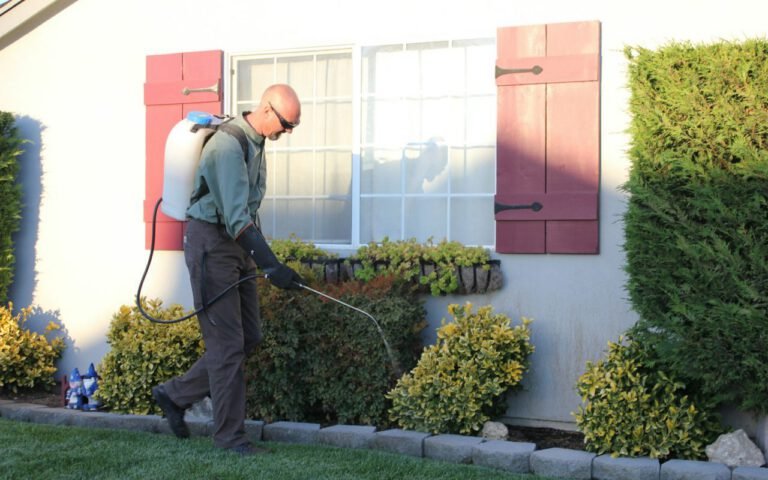
Eaves, windows, doors and the foundation get a barrier treatment, and webs are swept away. This is the heart of the quarterly service, and it usually takes the most time. Since the vast majority of pests that end up inside a home start outside, a strong exterior barrier stops most problems before they ever reach your living room.
Here is what the outside portion typically includes:
- Walkaround inspection. The technician circles the house looking for pest activity, entry points, moisture problems and conducive conditions like mulch piled against the siding.
- Web removal. Using a long-handled brush, they sweep away spider webs and wasp nests from eaves, soffits, light fixtures, windows and door frames.
- Perimeter treatment. A band of treatment is applied around the foundation, focusing on the base of the walls and the soil or mulch next to them.
- Entry point treatment. Doors, window frames, weep holes, utility penetrations and garage door edges get targeted applications where insects are most likely to enter.
- Granular or bait placement. Where needed, granular products or ant baits go into landscape beds and along fence lines to address ants and other crawling insects.
Your technician also checks common hot spots in the yard, such as AC units, pool cages, sheds and woodpiles. If they spot fire ant mounds, they can treat them during the visit. If they notice something outside our normal service, like signs of termites or rodents, they will note it and talk with you about next steps.
Free re-treatments between visits if pests come back. That is the deal.
Carlos
Inside if needed
Kitchens, baths and garages get targeted treatment only where we see activity. We do not spray every room on every visit, and we do not believe you should pay for treatment you do not need. If the outside barrier is doing its job, many homes need little or no interior work at all.
When interior service is needed, the technician focuses on the places pests actually live: under sinks, behind appliances, along baseboards, around plumbing penetrations and inside cabinet hinges. Most indoor treatments use gel baits, bait stations or small crack-and-crevice applications rather than broad sprays. Your technician will tell you what they used and where, and how long to keep kids and pets away from any treated areas.

The garage counts too
Garages are one of the most overlooked areas in many homes. They are often warm, cluttered and full of cardboard boxes, which makes them perfect hiding places for roaches, spiders and silverfish. Technicians usually check the garage door seals, corners and the area around water heaters and laundry hookups. A few simple storage changes, like plastic bins instead of cardboard, can help a lot.
The written report
Every visit ends with a written report, usually sent by email the same day. We think this is one of the most valuable parts of the service, because it gives you a clear record of what was done and what we found. A typical report includes:
- The date and time of the visit and the technician’s name
- Areas inspected and any pest activity found
- Products applied and where they were used
- Photos of problem areas or conducive conditions
- Recommendations, such as trimming shrubs or fixing a leaky spigot
- Any follow-up visit that has been scheduled
Keep these reports in a folder or email label. They are useful if you sell your home, file a warranty claim or simply want to track how things have changed over time. If anything in the report is unclear, give us a call and we will be glad to walk you through it.
Between visits
Three months is a long time, and pests do not always follow a schedule. If you see activity between visits, whether it is ants on the counter after a rainstorm or a wasp nest forming near the front door, just call or send a message. Re-treatments between scheduled visits are included in your plan at no extra cost.
There are also a few things you can do between visits to help the treatment last longer. Avoid pressure-washing the foundation right after a service, since that can wash away the barrier. Keep mulch pulled back a few inches from the house. Trim plants that touch the walls or roof. And let us know if you are planning major landscaping, painting or construction work, since that can affect the treated zone.
Is quarterly service right for you?
For most homes in Florida, we think it is the best balance of protection and value. Monthly service can make sense for homes with heavy pest pressure, businesses or properties near water. One-time treatments work for specific problems but usually do not prevent the next one. Your technician can help you decide, based on your home, your yard and what you have seen in the past.
If you are not on a plan yet, or you want to understand your current one better, give our office a call. We are happy to schedule a free inspection, explain what a quarterly plan would look like for your property and answer any questions about the products we use.
Key takeaway: A quarterly visit means a thorough exterior barrier, targeted interior treatment only where needed, a written report with photos and free re-treatments if pests return between visits.

Carlos Medina
Carlos has protected Tampa Bay homes since 2004.




2 Comments
Sharing this with my friends.
Saved this one for later. Really useful.