Why You Keep Seeing Roaches (Even in a Clean House)
Water, warmth and tiny gaps.
 Carlos Medina6 min read
Carlos Medina
Carlos has protected Tampa Bay homes since 2004.


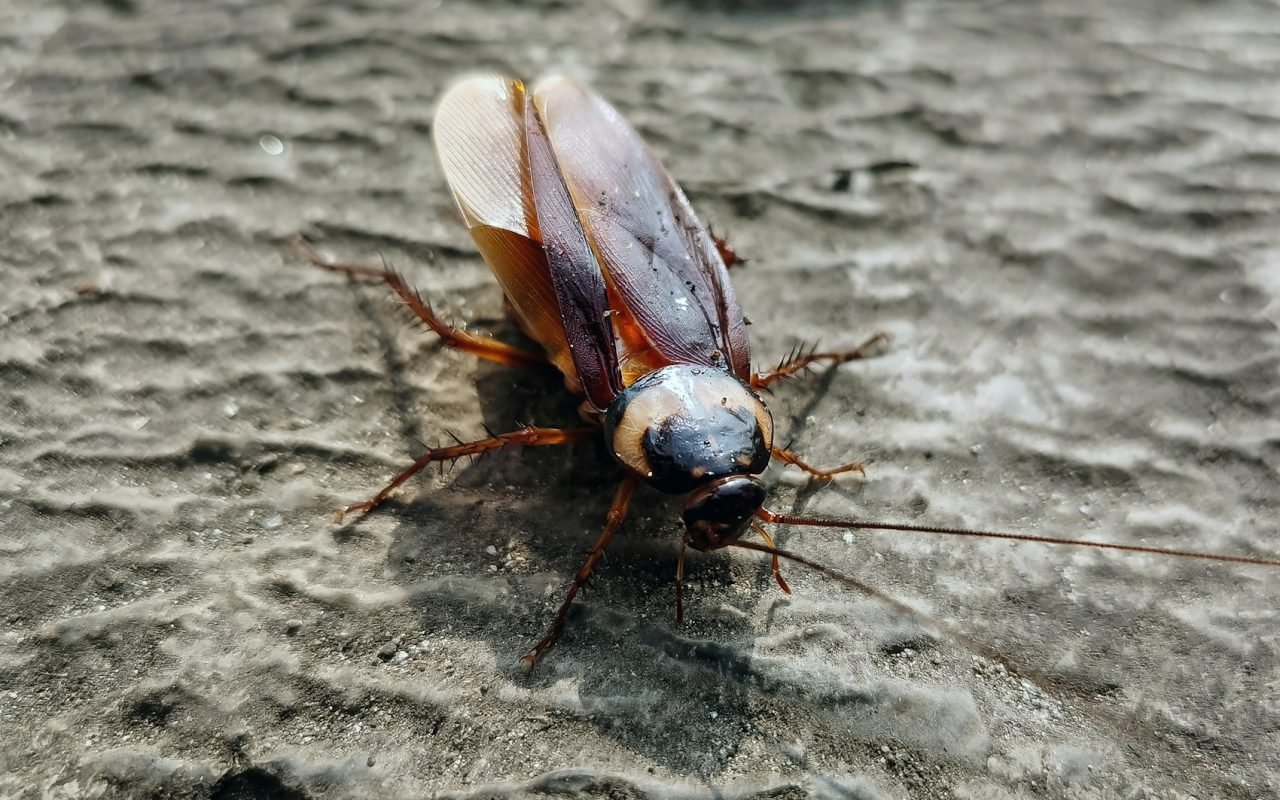
Florida roaches are not a sign of a dirty home. They are looking for water and shade — and Tampa has plenty of both. We hear it on the phone almost every day: a customer who wipes down the counters every night, takes out the trash on schedule and keeps a spotless kitchen, yet still finds a big brown roach scrambling across the bathroom floor at midnight. They are embarrassed, and they should not be. In most cases, the roach did not come for crumbs at all. It came for a drink and a cool place to hide.
Understanding why roaches show up is the first step to keeping them out. Once you know what they want and how they get in, a few small fixes around the house can make a big difference. This guide walks through the most common reasons we see roaches in clean Tampa Bay homes, along with the simple steps we recommend to every customer.
Meet the roaches of Tampa Bay
Not all roaches behave the same way, and knowing which one you are seeing helps explain why it is in your house. In our area, most calls involve two main groups.
- Large outdoor roaches. Often called palmetto bugs, these big reddish-brown roaches live outside in mulch, tree bark, palm fronds, sewers and leaf litter. They wander indoors looking for water or shelter, especially after heavy rain or during dry spells.
- Small indoor roaches. German roaches are smaller, tan, and prefer to live entirely indoors, usually in kitchens and bathrooms. They often arrive in grocery bags, cardboard boxes or used appliances, and they can multiply quickly.
If you are seeing a big roach now and then, especially near doors, windows or bathrooms, you are most likely dealing with outdoor roaches coming inside. If you are seeing lots of small roaches in the kitchen, particularly during the day, that is a sign of an indoor population that needs professional treatment right away.
Timing matters too. Many Tampa homeowners notice more roaches right after a summer storm, when heavy rain floods their outdoor hiding spots and pushes them toward higher, drier ground. Others notice them during long dry stretches, when roaches go looking for any source of water they can find. Either way, the weather outside your walls has a lot more to do with what you see in your kitchen than how often you mop the floor.
Fix the drips
Leaky faucets and AC condensate lines are roach magnets. Roaches can survive for weeks without food, but only days without water. In a clean home, moisture is often the single biggest reason they stick around.
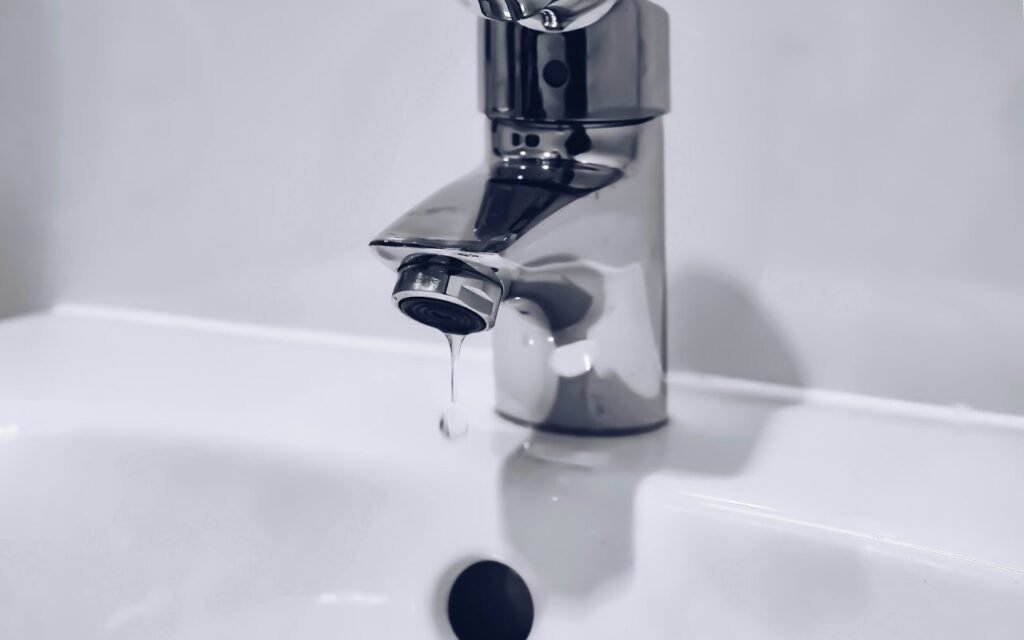
Start with a quick moisture check around your home. Look under kitchen and bathroom sinks for damp cabinet floors, swollen wood or slow drips at the pipe joints. Check behind the toilet and around the base of the tub. Look at your water heater and the area around your washing machine. If you have a dishwasher or refrigerator with an ice maker, peek behind them for leaks too.
Outside, pay close attention to your air conditioner. Central AC systems in Florida remove a lot of moisture from the air, and that water drains through a condensate line, usually a small PVC pipe near the outdoor unit or the foundation. If that line drips onto mulch or soil right next to the house, it creates a permanently damp spot that roaches love. Redirecting the drain a few feet away from your foundation is often a simple fix.
Moisture checklist
- Repair any dripping faucets or leaking pipe joints.
- Run bathroom fans during and after showers.
- Wipe sinks and tubs dry before bed.
- Do not leave pet water bowls out overnight in problem areas.
- Clean gutters so rainwater flows away from the house.
- Move AC condensate drains away from the foundation.
Most indoor roaches came in from outside. Stop them at the door.
Carlos
Seal the gaps
Door sweeps and caulk around pipes keep outdoor roaches outdoors. A large roach can squeeze through a gap about as thick as a quarter, and smaller ones need even less room. Most homes have dozens of these openings without anyone noticing.
The most common entry points we find during inspections include worn weatherstripping on exterior doors, gaps under garage doors, openings where plumbing and electrical lines enter the walls, loose window screens, dryer vents without proper flaps and gaps around attic vents. Roaches also climb up through floor drains and plumbing lines in older homes.
Many of these fixes are simple weekend projects. A door sweep costs only a few dollars at a hardware store and takes minutes to install. A tube of exterior caulk can close small gaps around pipes and wires. Expanding foam or copper mesh works well for larger openings. If you are not comfortable doing this work yourself, ask your technician during your next visit. Exclusion work is a big part of what we do.

Look at the yard
Because outdoor roaches start outside, your landscaping matters as much as your kitchen. Thick mulch beds piled against the house, dense shrubs touching the walls and stacks of firewood or yard debris near doors all create perfect roach habitat just a few feet from your living room.
Try to keep a clear strip of a few inches between mulch and your siding or foundation. Trim shrubs and tree limbs so they do not touch the roof or walls. Store firewood, lumber and outdoor toys away from the house. Clean up fallen palm fronds and leaf piles regularly. And keep outdoor trash cans closed tightly and placed away from doors.
Still seeing roaches?
Even the most careful homeowner can only do so much. Florida’s climate creates heavy outdoor roach pressure, especially during the rainy season, and some homes simply sit in areas with large populations. If you are still seeing roaches regularly after fixing leaks and sealing gaps, it is time to bring in a professional.
Our quarterly service includes an exterior barrier treatment around the foundation, doors and windows, along with targeted interior treatment only where we find activity. For German roaches, we use baits and growth regulators placed deep in cracks and cabinet hinges, followed by follow-up visits until the population is gone. We also point out moisture and entry problems so you can fix them before they become an issue again.
One more tip: avoid store-bought bug bombs or foggers for roaches. They often scatter roaches deeper into walls, rarely reach the hidden places where they actually live and can leave residue on surfaces throughout your home. Targeted treatment works far better.
A clean house is still the best start
None of this means cleaning does not matter. Wiping crumbs, storing food in sealed containers, rinsing recyclables and taking out the trash regularly all make your home less appealing. But in Florida, cleanliness is only part of the story. Water, warmth and tiny gaps are what really invite roaches inside, and those are the things most worth fixing.
If you would like a second set of eyes, schedule a free inspection with Guardline. A technician will walk your home inside and out, point out moisture issues and entry points and give you a clear plan, whether that means a few simple repairs or a regular service.
Key takeaway: Roaches in a clean home usually come from outside looking for water and shelter. Fix leaks, redirect drains, seal gaps and keep mulch away from the house, then call us if they keep showing up.

Start the conversation