


 CitiesWhy More US Cities Are Building in WoodNew building codes allow timber towers up to 18 stories. Architects are racing to use them.
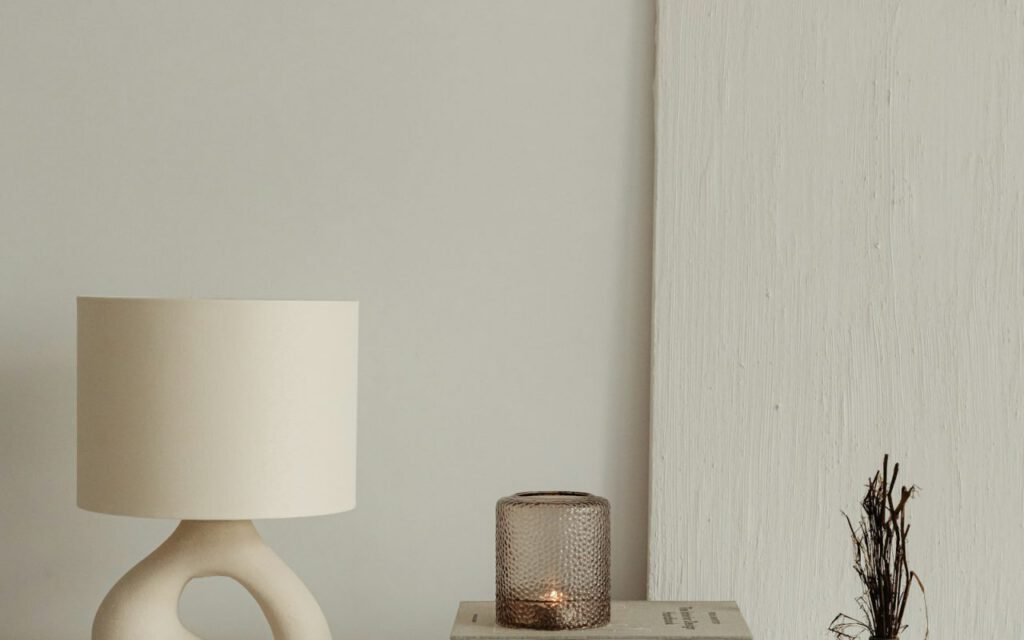
Plaster lamps glow warmly, hide every bulb and look like small sculptures even when they are switched off. Two years ago they were a niche item, mostly found in design galleries and the occasional boutique hotel. This fall they seem to be everywhere: on bedside tables in new apartments, lined up along restaurant banquettes and featured in nearly every interiors project that has crossed our desks.
Trend Plaster lighting · Price range $180–$900 · Makers 6 studios
We spoke with designers, makers and shop owners about why a material usually associated with walls and ceilings has become the most interesting thing in lighting, and what to look for if you want one in your own home.
Why now
After a decade of brass and glass, designers wanted something softer and more human. The polished metal fixtures that defined the 2010s still have their place, but they tend to sparkle rather than glow. Plaster does the opposite. Its matte, chalky surface diffuses light evenly and gives it a warm, almost candlelike quality.
Plaster makes light feel like it is coming from inside the object.
Felix Moreau, lighting designer
Moreau, who runs a small lighting practice in Chicago, says clients have started asking for fixtures that feel calm rather than impressive. “People spend more time at home than they used to,” he says. “They want light that makes a room feel like a refuge, not a showroom.” Plaster also pairs easily with the natural materials that dominate interiors right now: oak, linen, stone and clay.
There is a practical side, too. Plaster shapes can hide a bulb completely, which means no glare and no need for decorative bulbs. Many new designs are wall sconces or table lamps with sculpted shades that bounce light against a wall or ceiling instead of throwing it outward.
Made by hand
Most are cast in small studios, so each one has slight variations. The six makers we spoke with work in a similar way. A shape is first carved or turned in wood or clay, then used to make a rubber or plaster mold. Liquid plaster, often mixed with a small amount of fiber for strength, is poured into the mold and left to cure. After it is released, every piece is sanded and finished by hand.
Junie Park, who casts lamps in a converted garage in Portland, Oregon, says she can make about fifteen lamps a week. “Every pour is a little different,” she says. “Air bubbles, tiny ridges where the mold meets, the way the surface takes a wax. I could sand those out completely, but I don’t want to. They’re the proof that a person made it.”
The finishing step is where makers set themselves apart. Some leave the plaster raw and chalky. Others seal it with beeswax for a soft sheen, or with a mineral paint in muted tones like sand, sage and clay. A few studios tint the plaster itself before casting, which gives the color more depth.
Small production is part of the appeal, but it also means waiting. Several of the studios we spoke with have lead times of six to ten weeks, and a few popular designs sell out within days of each new batch. Shop owners say customers have generally accepted the wait. “People understand that someone is pouring these in a garage somewhere,” says Theo Barnes, who stocks plaster lamps at his home goods store in Savannah, Georgia. “It makes the lamp feel like a commission rather than a purchase.”
Some makers have started offering custom finishes, matching a lamp to a client’s wall color or making a pair in slightly different sizes for either side of a bed. Others collaborate with ceramic artists on bases, mixing glazed clay with raw plaster for contrast. The category is still young enough that experimentation is common, and that is part of what keeps designers interested.
What to look for
Because plaster lamps are handmade and relatively new to the mass market, quality varies widely. Before you buy, it helps to ask a few questions. Our sources suggested the following checklist:
- Is it sealed? Unsealed plaster is porous and marks easily. A wax or mineral sealer makes it easier to live with.
- How is the wiring done? Look for lamps with a recognized safety listing for the wiring and socket, and ask the maker if you are unsure.
- What bulb does it take? Most makers recommend a warm LED, around 2,700 kelvin, which runs cool and protects the plaster.
- How heavy is it? Solid plaster can weigh more than you expect. Wall-mounted pieces need proper anchors.
- Can it be repaired? Small chips can usually be filled and refinished. Ask whether the studio offers repairs.
Prices range from about $180 for a small table lamp to around $900 for a large wall sconce or pendant. That is more than a mass-produced fixture, but makers point out that a well-made plaster lamp can last decades and be refinished rather than replaced.

How designers are using them
The most effective rooms we saw use plaster lamps in small numbers and at low heights. A pair of sconces on either side of a bed. A single table lamp on a sideboard. A cluster of three small pendants over a dining table, hung low enough to keep the light intimate. Moreau calls this “lighting at the level of conversation.”
Hannah Wren of Studio Wren used a single plaster lamp as the only light source beside the sofa in a recent Hudson Valley living room, and says it changed how the clients use the space at night. “They stopped turning on the overhead lights entirely,” she says. “The lamp made the room feel finished on its own.”
Plaster also works well against textured surfaces. Set against limewash, brick or wood paneling, the soft glow picks up every ridge and grain. Against a flat white wall, the effect is quieter but still warm.
Key takeaway: one good plaster lamp, placed low and fitted with a warm bulb, can do more for the mood of a room than several bright fixtures overhead.
Caring for plaster
Plaster is more delicate than metal or glass, but makers say it is easy to live with once you know a few habits. Dust it with a soft dry brush rather than a damp cloth. Avoid harsh cleaners entirely. Keep it away from steamy bathrooms unless the maker says it has been sealed for that use. Small scuffs on a waxed finish can often be buffed out with a little more wax.
If a lamp chips, don’t panic. Most studios sell small repair kits or will refinish a piece for a modest fee. Park says she has repaired lamps that were dropped off a bedside table and came back looking nearly new.
A trend that may stay
Every design trend eventually fades, and plaster lighting will likely become less novel over the next few years. But the designers we spoke with believe the underlying shift is lasting. People want lighting that feels warm, handmade and calm, and plaster delivers all three at once.
“Brass will come back,” Moreau says. “It always does. But I think people have learned what it feels like to sit in a room lit by something soft. That is hard to give up.” For anyone looking to make a room feel more human this winter, a small plaster lamp may be the simplest place to start.

Written by
Hana Sato
Hana covers objects, rooms, cities and good type — and the people who make them.
10Articles
2026Writing since
Read next
CitiesWhy More US Cities Are Building in WoodNew building codes allow timber towers up to 18 stories. Architects are racing to use them. CitiesThe Beauty of Concrete Steps: Designing Public Spaces People Actually UseWide steps, good shade and somewhere to put a coffee.
 DesignThe Quiet Rise of the Wooden Dining ChairDesigners are returning to simple, honest chairs — and buyers are paying for craft.
 DesignColor Is Back: Why Designers Are Choosing Bold Orange FurnitureAfter a decade of beige, saturated colors are returning to living rooms.
2 Comments
Sharing this with my friends.
Saved this one for later. Really useful.