


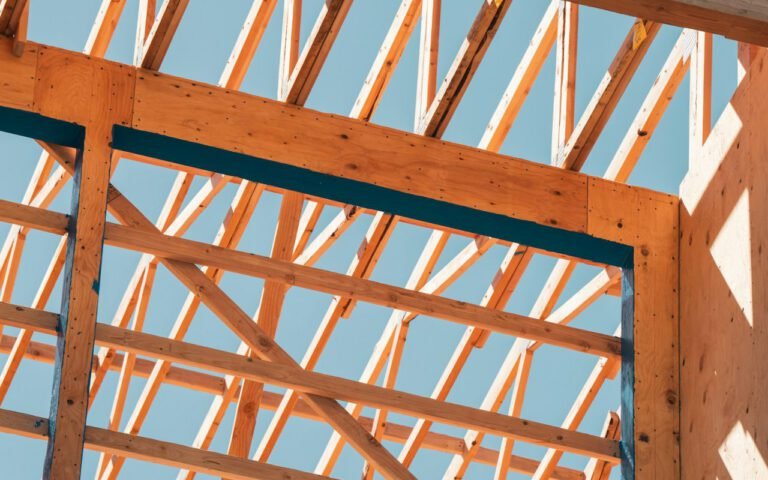
 CitiesWhy More US Cities Are Building in WoodNew building codes allow timber towers up to 18 stories. Architects are racing to use them.
After years of molded plastic, the plain wooden chair is having a moment. Walk into almost any new restaurant, design showroom or recently renovated dining room and you are likely to find the same thing: a simple seat in oak, ash or walnut, with visible joints, a gently curved back and nothing to hide. It is not a loud trend. It does not come with a slogan. But furniture makers across the country say it has quietly become one of the most requested pieces they build.
Trend Solid wood chairs · Price range $240–$1,100 · Woods Oak, ash, walnut
The shift says something about how people want to live right now. After a long stretch of disposable furniture bought online and replaced every few years, buyers are looking for things that last. They want to know what a piece is made of, who made it and whether it will still be standing in their kitchen in twenty years. A wooden chair answers all of those questions at a glance.
Honest construction
Visible joints and simple shapes show exactly how the chair is made. That is the heart of the appeal. A mortise and tenon, a wedged through-tenon on the back leg or a turned spindle pressed into a solid seat are not decorations. They are the structure. You can see where one piece of wood meets another, and you can understand why it holds.
Designers often describe this as honest construction, and it stands in contrast to furniture that hides its engineering under upholstery or paint. With a solid wood chair there is nothing between you and the material. Scratches become part of its history. A worn spot on the arm tells you where someone always rested a hand.
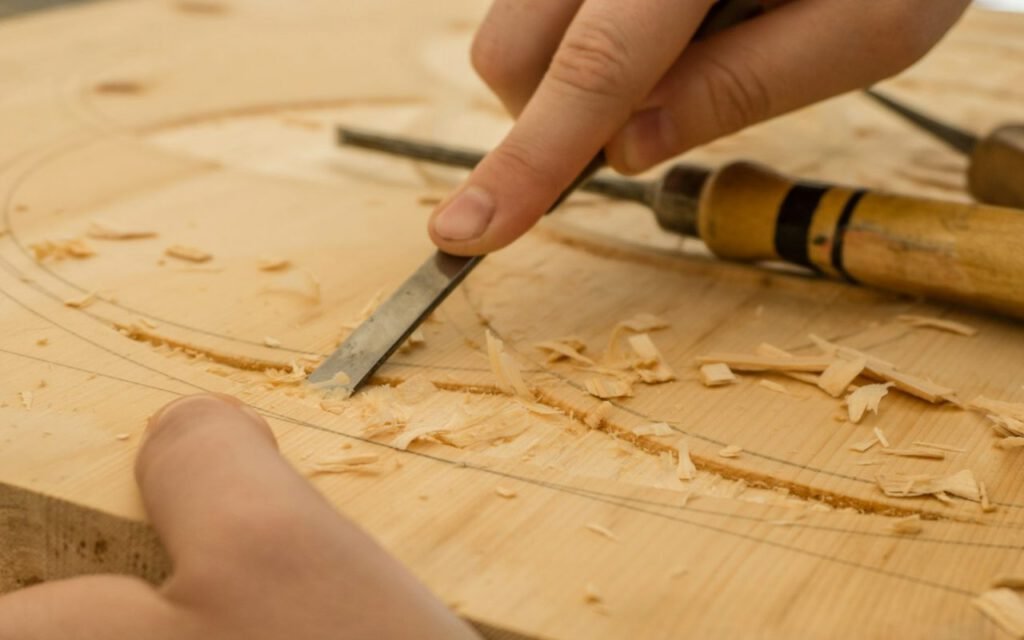
Several makers we spoke with said customers now ask detailed questions about joinery and finishes before they buy. Is the seat carved from a single board or glued from several? Is the finish an oil that can be refreshed at home, or a lacquer that needs a professional? Those questions used to come from collectors. Now they come from young couples furnishing their first apartment.
A good chair should be beautiful from the back. That is how most people see it.
Tomas Field, designer
Field, who designs chairs for a small workshop in Vermont, says he spends more time on the back of a chair than on any other part. Around a dining table, he points out, you see the backs of most chairs most of the time. A clumsy rail or an awkward curve is impossible to ignore once you notice it.
The woods people are choosing
Three species come up again and again. Each has its own character, and makers say the choice often comes down to the room rather than the chair.
- White oak is the workhorse. It is strong, stable and has a clear, open grain. Left natural or oiled, it reads light and calm, which suits Scandinavian-leaning interiors and bright kitchens.
- Ash is lighter in weight and more flexible, which is why it has long been used for bent parts like curved backs. Its grain is bold and lively.
- Walnut is darker, richer and more expensive. It brings warmth to rooms with a lot of white or gray, and it pairs well with brass and leather.
Price ranges vary widely. In our own survey of independent makers and small brands, solid wood dining chairs ran from about $240 for a simple production model to $1,100 or more for a handmade piece. The difference usually comes down to the wood, the amount of hand work and how many are made at once.
What drives the price
A chair seems like a simple object, but it is one of the hardest pieces of furniture to make well. It has to carry a moving load, survive people tipping back on two legs and stay comfortable for a long dinner. Good makers test their designs for strength and spend hours shaping seats so they fit the body. That labor is what you pay for. A well-made chair can be repaired, reglued and refinished many times, which makes the higher price easier to justify over its lifetime.
Mix, don’t match
Designers suggest mixing two or three chair styles around a table. The matched dining set, with six identical chairs bought at the same time as the table, is giving way to something looser and more personal. A pair of armchairs at each end, a bench along one side and simple side chairs in between can make a room feel collected over time rather than bought in one afternoon.
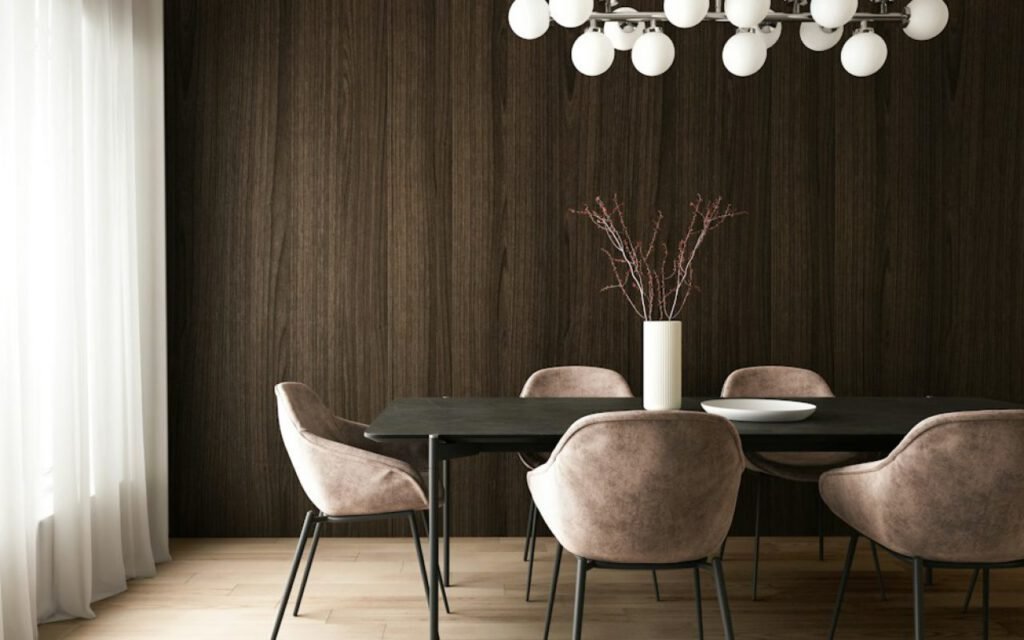
The trick is to keep one thing consistent. Interior designers often recommend holding either the wood tone or the silhouette steady while letting the other vary. Three different oak chairs look intentional. Three chairs of the same shape in oak, walnut and black stain also work. Change everything at once and the result can look accidental.
- Choose a common seat height, usually around 18 inches, so everyone sits at the same level.
- Keep the wood tone or the shape consistent across the set.
- Use armchairs at the ends to anchor the table.
- Check that the chairs slide fully under the tabletop, especially if they have arms.
Built to be kept
Part of the new interest in wooden chairs is practical. Solid wood is easy to repair. A loose joint can be reglued. A worn finish can be sanded and oiled. A scratch can be buffed out or simply accepted. Compare that with a molded chair that cracks and goes straight to the curb, and the economics start to look different.
Makers also talk about sourcing. Many now list where their lumber comes from and choose domestic hardwoods from managed forests. Buyers who want to know more should simply ask; a reputable workshop will be happy to explain where its wood comes from and how it is finished.
Key takeaway: a well-made wooden chair costs more upfront but can be repaired and refinished for decades, which often makes it the better long-term buy.
Care is simple. Keep chairs away from radiators and direct heat, which can dry out joints. Wipe spills promptly. Re-oil an oiled finish once or twice a year. If a chair starts to wobble, have it tightened before the joint wears further. With that small amount of attention, a solid wood chair will outlast most of the other furniture in the house.
If you are shopping for chairs, sit in them before you buy whenever you can. Comfort is personal, and a chair that looks perfect in a photo may have a seat that is too shallow or a back that hits you in the wrong place. Bring a tape measure, note the height of your table and check the clearance between the seat and the apron. Many small makers will also let you order a single chair first, so you can live with it for a few weeks before committing to a full set.
A quiet kind of luxury
The wooden chair will never be the star of a room the way a sculptural sofa or a statement light can be. That is exactly why designers love it. It supports everything else. It works in a farmhouse kitchen and in a downtown loft. It ages gracefully and invites you to sit a little longer.
In a culture that often rewards novelty, there is something refreshing about a piece of furniture whose basic form has barely changed in hundreds of years. The new wooden chairs are not trying to reinvent anything. They are trying to be very good at one simple job, and judging by the waiting lists at small workshops, buyers have noticed.
Hana covers objects, rooms, cities and good type — and the people who make them.

Written by
Hana Sato
Hana covers objects, rooms, cities and good type — and the people who make them.
10Articles
2026Writing since
Read next
CitiesWhy More US Cities Are Building in WoodNew building codes allow timber towers up to 18 stories. Architects are racing to use them.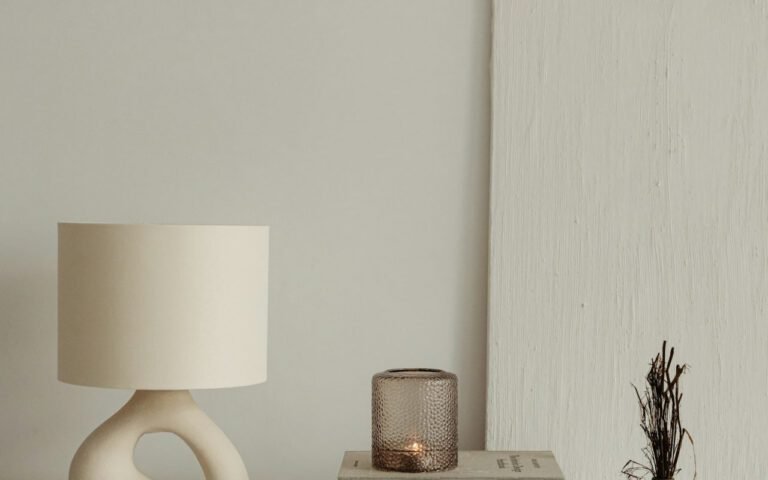 DesignThe Return of the Plaster LampSoft, sculptural and handmade: why designers are falling for plaster lighting.
 CitiesThe Beauty of Concrete Steps: Designing Public Spaces People Actually UseWide steps, good shade and somewhere to put a coffee.
 DesignColor Is Back: Why Designers Are Choosing Bold Orange FurnitureAfter a decade of beige, saturated colors are returning to living rooms.
Sharing this with my friends.
Saved this one for later. Really useful.