
 Coasts & LakesLake Tahoe All Year: Summer Beaches and Winter CabinsEmerald Bay, a lakeside bike path and the best season for every kind of trip.
Coasts & Lakes Ben Carver6 min read
The Outer Banks in a Week: Lighthouses, Ferries and Wild Horses
A slow drive down North Carolina’s barrier islands, from Corolla to Ocracoke.
Ben Carver6 min read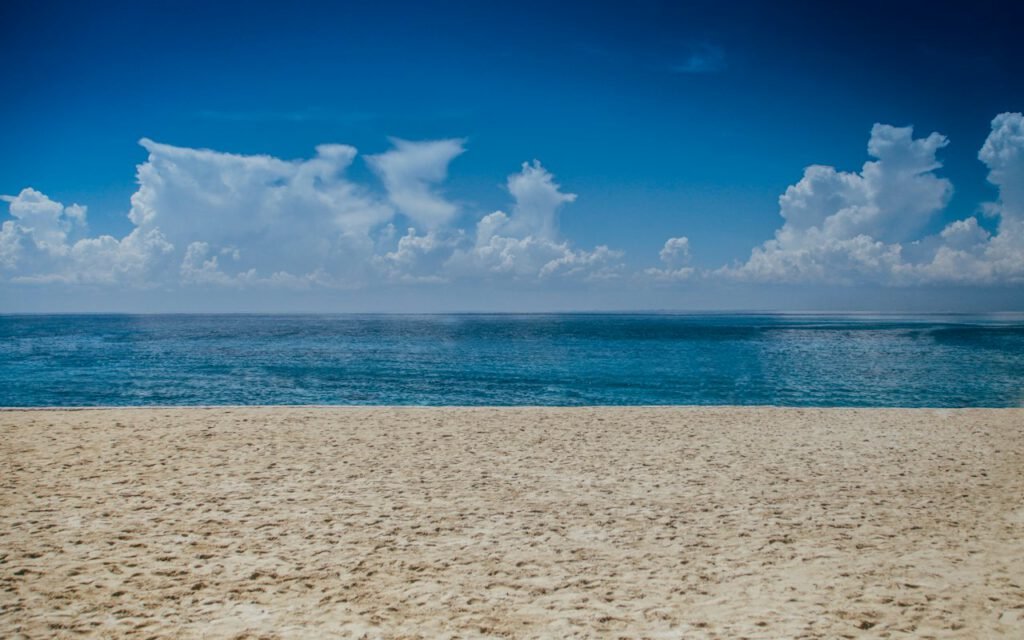

Written by
Ben Carver
Ben has driven Route 66 four times and photographs every mile marker that still has a story.
9Articles
2026Writing since
The Outer Banks are a 200-mile string of barrier islands with five lighthouses, wild horses and a free ferry at the end of the road. On a map they look impossibly thin, a sliver of sand between the Atlantic Ocean and the wide, calm sounds of North Carolina. On the ground they feel like a different world, where the wind shapes the dunes, the weather sets the schedule and the pace slows the farther south you go. Drive it slowly from north to south, from Corolla to Ocracoke, and give it a full week. This is how we did it.
Best time: May or September. Stay: seven days. Budget: moderate.
Advertisement Sponsored · Skyward Rewards Card60,000 bonus milesAfter $3,000 spent in the first 3 months.Apply now
Sponsored · Skyward Rewards Card60,000 bonus milesAfter $3,000 spent in the first 3 months.Apply nowPlanning the drive
The route is simple, because there is essentially one road. North Carolina Highway 12 runs the length of the islands, connected by bridges in the north and a ferry in the south. The total distance from Corolla to Ocracoke village is only about 120 miles of driving plus the ferry crossing, but this is not a trip to rush. We split the week into three bases, which let us unpack properly and explore each area without long daily drives.
- Two nights in the north, near Corolla and Duck, for the wild horses and quieter beaches.
- Three nights on Hatteras Island, for the national seashore, the lighthouse and the fishing villages.
- Two nights on Ocracoke, for the slowest, quietest end of the road.
Book your rentals or inns early if you are traveling in May or September. Many vacation homes still rent by the week in summer, but shorter stays are easier to find in the shoulder seasons.
Hurricane season runs June to November. September is lovely, but buy flexible bookings.
Travel writer Hazel Brooks
Hazel’s warning is worth repeating. The islands are low, narrow and exposed, and storms can wash over Highway 12 and close sections of it for days. Most Septembers pass calmly, but choose refundable bookings, consider travel insurance and always follow local evacuation orders if a storm approaches.
Corolla and the wild horses
Book a four-wheel-drive tour to see the Spanish mustangs on the northern beaches — they have lived here for nearly 500 years. The paved road ends just north of Corolla, and beyond it the beach itself becomes the highway, open only to four-wheel-drive vehicles. Local guides know where the herds tend to gather and how to watch them without disturbing them.
The horses are believed to descend from animals brought by Spanish explorers in the 1500s, and they have survived on the dunes and marshes ever since. Seeing them graze among the sea oats, with beach houses on stilts in the background, is a strange and wonderful sight. Keep your distance. Local rules require visitors to stay at least 50 feet away, and the horses are wild animals, not pets. Never feed them, as human food can make them seriously ill.
Duck and the northern beaches
Just south of Corolla, the town of Duck has a pleasant boardwalk along the sound, good coffee shops and some of the best sunset views on the islands. The sound side faces west, so evenings here are a highlight. Walk the boardwalk around golden hour and watch the sky turn pink over the water.
AdvertisementSponsored · Skyward Rewards Card60,000 bonus milesAfter $3,000 spent in the first 3 months.Apply now
Sponsored · Skyward Rewards Card60,000 bonus milesAfter $3,000 spent in the first 3 months.Apply now
The middle islands
Between the northern beaches and Hatteras lies the busiest stretch of the Outer Banks, around Kitty Hawk, Kill Devil Hills and Nags Head. It is not our favorite place to stay, but it has two stops worth your time.
The first is the memorial marking the site of the first powered airplane flights in 1903, where a granite monument stands on the dune the famous brothers used for their glider tests. The second is Jockey’s Ridge State Park, home to the tallest living sand dune system on the East Coast. Climb the soft sand at sunset, when the wind dies down and the light turns the dunes gold. Kids roll down the slopes, kite flyers gather on the ridge, and the views stretch from ocean to sound.
Cape Hatteras
Climb the tallest brick lighthouse in America and spend an afternoon on the quiet beaches of the national seashore. South of Nags Head, the islands narrow and the development falls away. Most of Hatteras Island is protected as Cape Hatteras National Seashore, a long ribbon of wild beach, dunes and marsh with a handful of small villages tucked between them.
The Cape Hatteras Lighthouse, with its black-and-white spiral stripes, is the most famous landmark on the Outer Banks. It was moved inland in 1999 to protect it from the eroding shoreline, an engineering feat that took weeks. The climb to the top is 257 steps and is usually open from spring through fall. Check the park schedule before you go, since climbs can close in high winds or extreme heat.
Slow days on Hatteras
The beaches here are some of the emptiest on the East Coast. Pick a parking area along the seashore, walk over the dunes and you may have a mile of sand to yourself. The villages of Rodanthe, Avon, Buxton and Hatteras have small markets, tackle shops and seafood restaurants. The fishing is excellent, and many visitors spend their mornings surf casting from the beach or joining a charter boat out to the Gulf Stream.
Key takeaway: spend at least three nights on Hatteras. It is the heart of the Outer Banks and the place where the islands feel wildest.
Eating along the way
Seafood is the reason to eat on the Outer Banks, and the simpler the setting, the better. Look for fish markets in Hatteras village and Wanchese, where you can buy shrimp, tuna and soft-shell crabs in season and cook them at your rental. Small cafés along Highway 12 serve fried fish sandwiches, hush puppies and crab cakes on paper plates, often with a view of the sound. Breakfast is a highlight too. Many villages have a bakery or a doughnut shop that opens early for the fishing crowd, and a warm doughnut eaten on the beach at sunrise is a fine way to start the day. Groceries are limited and pricier on the southern islands, so stock up on basics in Nags Head before heading south.
The ferry to Ocracoke
A free hour-long ferry takes you to a car-light village with one lighthouse, a few cafés and miles of empty sand. The ferry leaves from the southern tip of Hatteras Island, and in summer it can have a wait, so arrive early. The crossing itself is part of the fun. Pelicans skim the water, dolphins sometimes surface beside the boat, and the low green line of Ocracoke slowly comes into view.

Ocracoke village wraps around a small harbor called Silver Lake. The streets are narrow and shaded, and most visitors get around by bike. The squat white Ocracoke Lighthouse is one of the oldest still operating in the state. The rest of the island is protected seashore, with 16 miles of undeveloped beach that rank among the quietest in the country. Spend your days swimming, biking, eating fresh seafood and doing very little. That is the whole point.
Don’t miss
A week on the Outer Banks is full of small highlights, but these four stayed with us: the wild horses of Corolla, climbing the Cape Hatteras Lighthouse, sunset at Jockey’s Ridge dunes and the free ferry to Ocracoke. Add a slow bike ride around Silver Lake and a fresh fish sandwich eaten on a dock, and you have the perfect week.
The Outer Banks reward travelers who take their time. Pack light, plan flexible bookings, bring a good book and let the island rhythm take over. By the time you roll off the ferry at Ocracoke, you will understand why so many people return year after year.
Written by
Ben Carver
Ben has driven Route 66 four times and photographs every mile marker that still has a story.
9Articles
2026Writing since
Read next
Coasts & LakesLake Tahoe All Year: Summer Beaches and Winter CabinsEmerald Bay, a lakeside bike path and the best season for every kind of trip. Coasts & LakesBig Sur on Highway 1: The Most Beautiful Drive in AmericaNinety miles of cliffs, redwoods and pull-offs — and why you should drive it north to…
 Coasts & LakesKauai’s North Shore: Beaches, Cliffs and Slow DaysThe Nā Pali coast by boat, empty beaches and the shave ice stand worth the detour.
 Coasts & LakesThe Best Beach Towns on the East Coast for a Quiet WeekFive small towns with long beaches, good seafood and no high-rise hotels.
2 Comments
Sharing this with my friends.
Saved this one for later. Really useful.