
 Coasts & LakesLake Tahoe All Year: Summer Beaches and Winter CabinsEmerald Bay, a lakeside bike path and the best season for every kind of trip.
Coasts & Lakes Ben Carver6 min read
Kauai’s North Shore: Beaches, Cliffs and Slow Days
The Nā Pali coast by boat, empty beaches and the shave ice stand worth the detour.
Ben Carver6 min read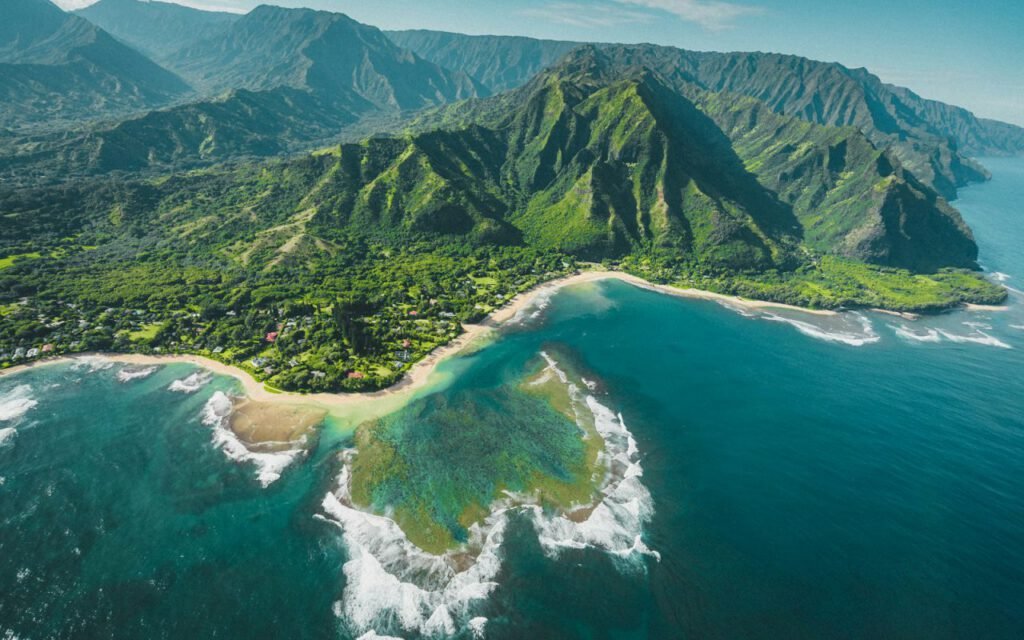

Written by
Ben Carver
Ben has driven Route 66 four times and photographs every mile marker that still has a story.
9Articles
2026Writing since
Kauai is the oldest and greenest of the main Hawaiian islands. The north shore is where it feels most like the postcards. Waterfalls streak down mountains so steep and so green they look painted, taro fields fill the valley floors and the road narrows to one-lane bridges where drivers wave each other through. There are no high-rise resorts here and very few traffic lights. Life moves at the speed of the tide. We spent six days on this side of the island, and the best advice we can give is to plan less than you think you should. Kauai is a place for slow mornings, long swims and early nights.
Best time April–June, Sept–Oct · Stay 6 days · Budget $$$
Advertisement Sponsored · Skyward Rewards Card60,000 bonus milesAfter $3,000 spent in the first 3 months.Apply now
Sponsored · Skyward Rewards Card60,000 bonus milesAfter $3,000 spent in the first 3 months.Apply nowGetting there and getting around
Most visitors fly into Lihue, on the east side of the island, and drive about an hour north to the towns of Princeville and Hanalei. You will want a rental car, since public transportation is limited and many beaches and trailheads are spread along the coast. Book it well in advance, especially in summer and during holidays, as the island’s supply of rental cars can run short.
The north shore road is beautiful but slow. Past Hanalei, a series of narrow, one-lane bridges crosses rivers and streams. The local custom is to let a group of five to seven cars cross from one side, then wait for the other side to go. Be patient, wave and enjoy the view. Heavy rain can sometimes close the road, so keep an eye on the weather and local updates.
April through June and September through October bring calmer weather, smaller crowds and often lower prices than summer or the winter holidays. The north shore is wetter than other parts of the island, so expect passing showers almost any time of year. They usually clear quickly and leave rainbows behind.
The Nā Pali coast
See it from a boat in summer or a helicopter year-round. The Kalalau Trail requires a permit past the first two miles. The Nā Pali coast is a seventeen-mile stretch of jagged green cliffs, hidden valleys, sea caves and waterfalls along the island’s northwest edge. There are no roads, so you have three ways to see it: by sea, by air or on foot.
AdvertisementSponsored · Skyward Rewards Card60,000 bonus milesAfter $3,000 spent in the first 3 months.Apply now
Sponsored · Skyward Rewards Card60,000 bonus milesAfter $3,000 spent in the first 3 months.Apply now
Boat tours, including catamarans, rafts and sailboats, run mostly in the calmer summer months, when the ocean on that side of the island settles down. Many depart from the west side of Kauai and spend several hours cruising along the cliffs, with stops for snorkeling, a chance to see spinner dolphins and sometimes a peek into sea caves. In winter, big swells often make boat trips along this coast rough or impossible.
Helicopter tours fly year-round and show you the full scale of the coast and the island’s interior, including waterfalls and canyons you cannot reach any other way. They are expensive and weather-dependent, so book early in your trip in case you need to reschedule.
Hiking the Kalalau Trail
The trail starts at the end of the road at Kēʻē Beach, inside Hāʻena State Park. The first two miles, to Hanakāpīʻai Beach, can be hiked as a day trip with a park entry reservation. Going farther requires a state camping permit, which sells out months in advance. The trail is muddy, steep and slippery in places, so wear good shoes and bring plenty of water. Do not try to cross the stream at Hanakāpīʻai if it is running high after rain.
Reserve Hāʻena State Park entry well ahead. Daily visitors are limited.
Local guide Leilani Kahale
Leilani Kahale, who grew up on the north shore, says the limits have made the area better for everyone. “It used to be so crowded you could barely park. Now it feels the way it did when I was a kid. Book your spot, use the shuttle and you’ll have a much better day.”
Beaches
Tunnels Beach for snorkeling, Hanalei Bay for a long walk and swimming in summer. The north shore has some of the most beautiful beaches in Hawaii, each with its own personality. Here are the ones we returned to again and again:
- Tunnels Beach (Makua): a wide reef just offshore creates a calm lagoon in summer, with excellent snorkeling for turtles and tropical fish.
- Hanalei Bay: a two-mile crescent of sand backed by mountains, with a historic pier and calm summer swimming.
- Kēʻē Beach: at the end of the road, with a protected lagoon and stunning sunset views of the Nā Pali cliffs.
- ʻAnini Beach: a long, shallow reef makes this one of the calmest spots on the north shore and great for families.
- Queen’s Bath: a dramatic lava rock pool in Princeville. Admire it from a safe distance in winter, when it is very dangerous.

Bring reef-safe sunscreen, which is required in Hawaii, and a pair of water shoes for rocky entries. Keep your distance from sea turtles and monk seals resting on the sand. They are protected, and wildlife rules require visitors to give them plenty of space.
Respect the ocean
Winter waves on the north shore can be dangerous. Ask lifeguards before you swim. Between roughly October and April, large swells roll in from the North Pacific and turn calm summer lagoons into powerful surf breaks. Strong currents, shore breaks and sudden large waves catch visitors every year.
Follow a few simple rules and you will stay safe:
- Swim at beaches with lifeguards whenever possible, and ask them about conditions.
- Never turn your back on the ocean, especially on rocks and ledges.
- If you are unsure, do not go out. Enjoy the view from the sand instead.
- If caught in a current, stay calm and swim parallel to the shore.
- Watch the water for at least fifteen minutes before deciding to swim.
The north shore’s beauty comes from the same power that makes it dangerous. Treat it with respect, and it will reward you with some of the most stunning scenery in the Pacific.
Slow days in Hanalei
Hanalei is a small town with a big heart, a short main street of shops, food trucks, cafés and surf rental stands framed by mountains on one side and the bay on the other. This is the perfect base for slow days. Rent a stand-up paddleboard and drift up the Hanalei River in the morning. Browse the local shops in the afternoon. Grab fish tacos or a plate lunch from a food truck and eat at a picnic table under the trees.
Save time for shave ice, a Hawaiian classic of finely shaved ice soaked in tropical flavored syrups, sometimes with a scoop of ice cream or sweet beans at the bottom. A good stand is worth the detour, and on a hot afternoon, there is nothing better.

Don’t miss
- A Nā Pali boat tour
- Snorkeling at Tunnels Beach
- Sunset at Hanalei Pier
- Shave ice in Hanalei
Key takeaway: Reserve Hāʻena entry early, see Nā Pali in the season that suits it, swim only where it is safe and leave plenty of empty space in the schedule.
Kauai’s north shore is not a place for packed itineraries. It is a place for rain showers that pass in five minutes, rainbows over the taro fields, turtles in the shallows and sunsets that stop everyone on the beach mid-sentence. Give it six slow days, and it will give you the kind of rest that stays with you long after you get home.
Written by
Ben Carver
Ben has driven Route 66 four times and photographs every mile marker that still has a story.
9Articles
2026Writing since
Read next
Coasts & LakesLake Tahoe All Year: Summer Beaches and Winter CabinsEmerald Bay, a lakeside bike path and the best season for every kind of trip. Coasts & LakesBig Sur on Highway 1: The Most Beautiful Drive in AmericaNinety miles of cliffs, redwoods and pull-offs — and why you should drive it north to…
 Coasts & LakesThe Best Beach Towns on the East Coast for a Quiet WeekFive small towns with long beaches, good seafood and no high-rise hotels.
 Coasts & LakesThe Outer Banks in a Week: Lighthouses, Ferries and Wild HorsesA slow drive down North Carolina’s barrier islands, from Corolla to Ocracoke.
2 Comments
Sharing this with my friends.
Saved this one for later. Really useful.