 Slow TravelA Slow Weekend in Three Small Mountain TownsHot springs, a 1920s movie theater and the best pie we’ve had all year — no…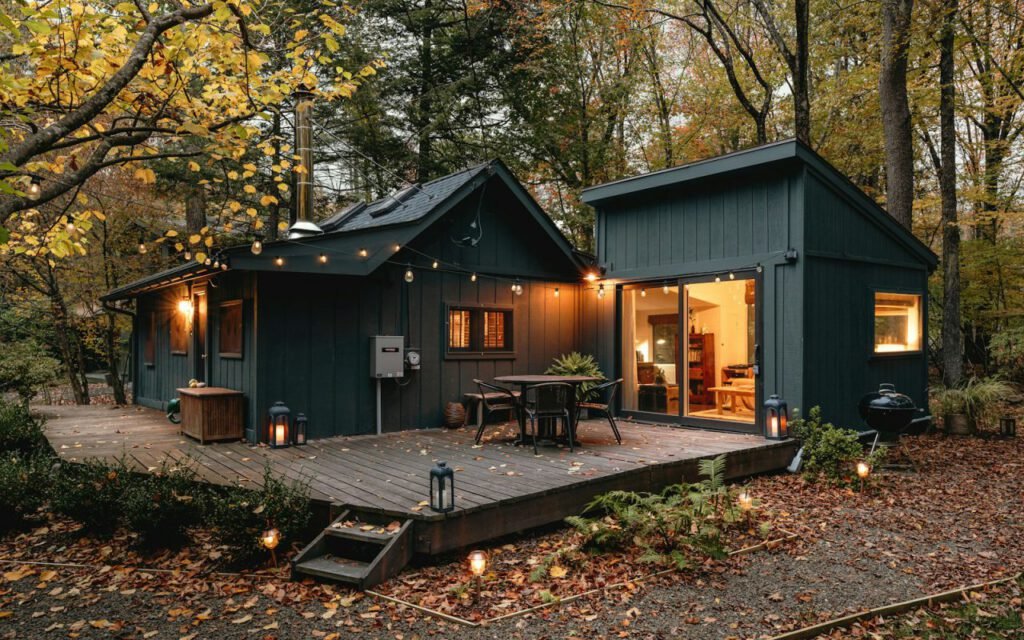
Slow Travel Grace Lin6 min read
Cabin Weekends: How to Find (and Book) the Perfect Cabin
What to look for, how far ahead to book and our checklist for a cozy two-night escape.
Grace Lin6 min readRead next
Slow TravelA Slow Weekend in Three Small Mountain TownsHot springs, a 1920s movie theater and the best pie we’ve had all year — no… Travel TipsHow We Plan a Trip in One Evening (and Stick to the Budget)Our four-step method: pick the season, map the route, book the stays and leave room for…
 Slow TravelA Night Under the Darkest Skies in AmericaWe drove four hours from the nearest city to see the Milky Way with our own…
 Travel TipsThe Carry-On-Only Packing List for Any TripEverything we pack for a week — and the five things we stopped bringing.
 Slow TravelInn to Inn: Walking the Hudson Valley With Only a DaypackFive days, 52 miles and a different small inn every night — while our bags rode…
 Travel TipsHow to Find Cheap Flights: What Actually Works in 2026Flexible dates, nearby airports and the price alerts we set for every trip.
 Travel TipsWhy We Keep a Travel Journal (and How to Start One)Five minutes a night, a few tickets taped in, and memories that photos don’t keep.
 Travel TipsHiking Safety: The Ten Essentials for Every TrailWhat to carry on a day hike, how to read the weather and when to turn…
 Slow TravelThe Night Drive That Changed How We TravelWhy we stopped racing the clock.
A good cabin weekend is not about doing a lot. It is a fire, a long walk, a big breakfast and no Wi-Fi password to remember. We have booked cabins in the Smoky Mountains, the woods of northern Michigan, the high desert of Arizona and the rainy coast of Oregon, and the best ones always shared the same simple qualities. They felt tucked away without being hard to reach, they had a kitchen we actually wanted to cook in and they made it easy to slow down. Here is what we have learned about finding the right one, booking it at the right time and packing for a weekend where the main goal is to do very little.
Best time Fall & winter · Stay 2 nights · Budget $$
Advertisement Sponsored · Skyward Rewards Card60,000 bonus milesAfter $3,000 spent in the first 3 months.Apply now
Sponsored · Skyward Rewards Card60,000 bonus milesAfter $3,000 spent in the first 3 months.Apply nowWhat to look for
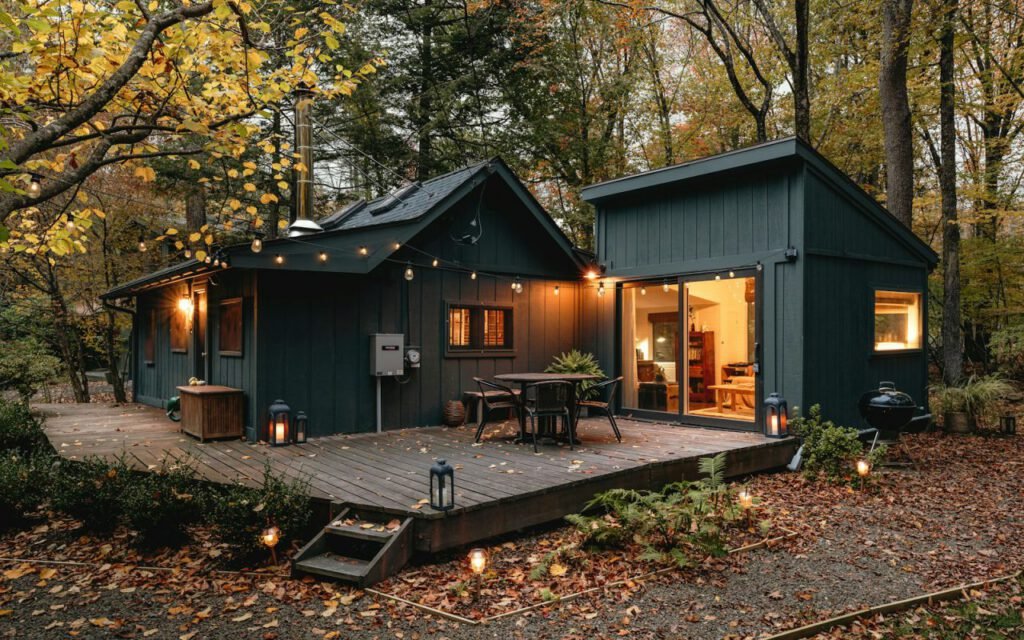
A wood stove or fireplace, a real kitchen, a porch and a short drive to a trailhead. Those are our four non-negotiables, and they cover most of what makes a cabin weekend feel special. Photos can be misleading, so read the listing carefully and look for the details that matter.

The fire
Check whether the fireplace is wood-burning, gas or purely decorative. Many listings show a fireplace that cannot actually be used, or that is off-limits during fire season. If it is wood-burning, ask whether firewood is provided, or whether you need to buy a bundle on the way. A good host will leave kindling, matches and clear instructions for the damper.
The kitchen
Two dinners and two breakfasts are a big part of the weekend, so make sure the kitchen is more than a microwave and a kettle. Look for a full-size stove, a decent set of pots and pans, sharp knives and a coffee maker that works for your style. A cast-iron skillet is a very good sign. If the reviews mention a well-stocked kitchen, that host probably pays attention to other details too.
The porch and the trail
A covered porch with two chairs is where much of the weekend happens: morning coffee, an afternoon book, a glass of wine while the sky changes color. As for the trail, a cabin within a short drive of a trailhead, ideally fifteen minutes or less, means you can head out for a walk without turning it into an expedition. Some of our favorite stays had a trail starting right from the back door.
AdvertisementSponsored · Skyward Rewards Card60,000 bonus milesAfter $3,000 spent in the first 3 months.Apply now
Sponsored · Skyward Rewards Card60,000 bonus milesAfter $3,000 spent in the first 3 months.Apply nowOther details worth checking
- Distance to the nearest grocery store and gas station
- Whether heating is reliable, and what fuel it uses
- Cell coverage, especially if you need it for emergencies
- Pet policy and fees if your dog is coming along
- Quiet hours, neighbors and whether other cabins share the property
- Check-in method and whether you can arrive after dark
When to book
Fall weekends near national parks book six months ahead. Weeknights and January are easiest. That is the short version. The longer version is that cabin demand follows the leaves and the holidays. October weekends near Great Smoky Mountains, Shenandoah, Acadia or the Colorado Rockies can be gone by spring. Holiday weeks fill up even earlier, often by summer.
If you are flexible, aim for the quieter stretches. A Sunday-to-Tuesday stay in early November often costs much less than the same cabin on a Saturday in mid-October, and the trails will be emptier too. January and February are the easiest months to book almost anywhere, and a cabin in the snow is its own kind of wonderful. Spring weekends before Memorial Day can also be a sweet spot, with wildflowers starting to bloom and lower rates.
When you do book, read the cancellation policy closely. Cabins in mountain areas can be affected by storms, road closures and power outages. A flexible policy is worth a little extra money, especially for winter dates.
Ask the host for a photo of the road in winter. Some cabin driveways need four-wheel drive.
Travel writer Hazel Brooks
Hazel Brooks learned that lesson the hard way, after spending an hour pushing a rental car up an icy gravel driveway in Vermont. Now she always asks the host three questions before booking a winter stay: Is the road plowed? How steep is the driveway? Has anyone ever gotten stuck? The honest answers have saved her from more than one tricky arrival.
What to bring
Groceries for two dinners, board games, warm socks and a paper map. That is the core packing list, and it works almost everywhere. Most cabins are farther from stores than they look, so do your shopping before you leave town. Here is our full checklist for a two-night stay:
- Groceries for two dinners, two breakfasts and easy lunches
- Coffee or tea the way you like it, plus a small bag of snacks
- Board games, a deck of cards or a jigsaw puzzle
- Warm socks, slippers and a sweater for the evenings
- Rain jackets and sturdy shoes for the trail
- A paper map of the area and a printed copy of the check-in details
- A headlamp or small flashlight
- A book you have been meaning to finish
- Basic first-aid supplies and any medications
For meals, keep it simple and comforting. Our usual menu is a big pot of chili or soup on the first night, since it is easy to make while you unpack, and something on the stovetop or grill for the second, like steak with roasted potatoes or a pan of pasta. Breakfast is the star: pancakes, eggs, bacon and plenty of coffee, eaten slowly by the window.
Pack the cooler in the order you will need things, with the first dinner on top, and bring a few zip-top bags for leftovers. A small spice kit with salt, pepper, oil and your favorite seasonings saves you from buying full jars you will never finish. If the cabin has a grill, ask whether charcoal or propane is provided before you arrive.

How to slow down
The hardest part of a cabin weekend is not the booking or the packing. It is remembering to actually relax. A few habits help. Put your phone in a drawer for at least one afternoon. Skip the urge to fill every hour with a hike, a scenic drive and a winery visit. Pick one outing per day, and let the rest of the time be unplanned.
Start a fire as soon as you arrive on the first night, even if it is not that cold. It sets the tone for the whole weekend. Get up early once to watch the sunrise from the porch with a mug in your hands. Take a long walk with no particular destination. Then, at some point, give yourself an afternoon of doing absolutely nothing, a nap, a book, a puzzle or just watching the trees move outside the window.
Don’t miss
- A fire on the first night
- A sunrise walk
- A long breakfast
- One afternoon of doing nothing at all
Key takeaway: Look for a fire, a real kitchen, a porch and a nearby trail. Book early for fall, go midweek if you can and pack for comfort, not for an itinerary.
A cabin weekend is one of the easiest ways to reset. It does not require a long flight or a big budget, just a little planning and a willingness to let the hours stretch out. When you drive home on Sunday afternoon smelling faintly of woodsmoke, rested in a way a busy vacation rarely allows, you will probably start looking at listings for the next one before you even unpack.

Written by
Grace Lin
Grace writes long-weekend guides for walkers, eaters and anyone who prefers a side street to a tour bus.
9Articles
2026Writing since


Start the conversation