For the first time, the downtown farmers market will stay open all winter, moving into the restored train depot every Saturday from November through April. For years, the market’s last outdoor Saturday in late October has felt like a small farewell, with shoppers stocking up on apples and squash and vendors packing their tents until spring. This year, there will be no long pause. Shoppers will simply follow the market a few blocks east and step inside.
About 40 vendors have signed up, selling winter squash, eggs, bread, cheese, honey and hot soup. Market organizers say the indoor season is a test, but one they expect to repeat if farmers and shoppers show up.
The idea came from vendors themselves. Many farms in the region keep producing through the cold months, especially those with hoop houses, root cellars and laying hens. Bakers, cheesemakers and beekeepers work year-round. Yet once the outdoor market closed, many of them lost their most reliable place to meet customers face to face.
Market manager Rose Dalton said she heard the same request at the end of every season. Vendors wanted somewhere to sell, and regular shoppers wanted somewhere to buy. The problem was finding a space large enough, affordable enough and close enough to downtown.
Farmers grow food in winter too. Now they have somewhere to sell it.
Market manager Rose Dalton
Finding the depot
The answer turned out to be a building many residents walk past every day. The old train depot, which was restored by the city several years ago, has mostly hosted weddings, community meetings and the occasional holiday craft fair. Its long main hall, high ceilings and wide doors make it well suited to rows of vendor tables.
Dalton said the market’s nonprofit board negotiated a winter lease with the city’s parks department at a reduced rate in exchange for keeping the depot open to the public on Saturday mornings. The arrangement also gives the depot a steady weekly use during months when event bookings tend to slow.
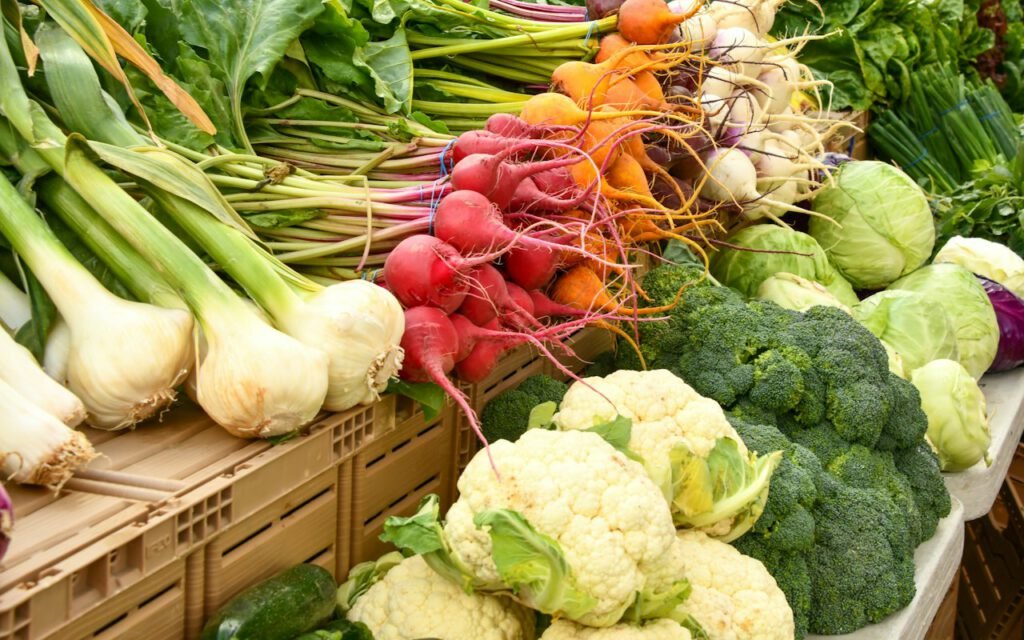
Root vegetables, winter squash and greens from hoop houses will fill the depot’s tables.
What shoppers will find
The indoor market will look a bit different from the summer version. There will be fewer tomatoes and peaches and more storage crops, baked goods and prepared foods. Organizers shared a preview of what shoppers can expect on a typical winter Saturday:
Produce: Winter squash, potatoes, carrots, beets, onions, cabbage, kale and greens grown under cover.
Protein: Eggs from pasture-raised hens, plus frozen cuts of beef, pork and chicken from area farms.
Bakery: Bread, pies, cookies and seasonal pastries from several small bakeries.
Dairy: Cheese, butter and yogurt from regional creameries.
Pantry: Honey, maple syrup, jams, dried beans, flour and preserves.
Hot food: Soup, coffee, cider and breakfast sandwiches to eat on site.
A handful of craft vendors selling candles, soaps and woodwork will also set up, particularly in the weeks before the holidays. Dalton said the market will keep its rule that food vendors must make up the large majority of stalls.
Several small bakeries have signed on for the full winter season.
Hot soup by the door
One of the most anticipated additions is a soup station near the depot’s main entrance. Two vendors, a small catering business and a farm kitchen, will take turns offering a different soup each week, made with vegetables sold elsewhere in the market. Organizers said the idea is to give shoppers a reason to linger, warm up and talk with the farmers who grew their food.
A rotating soup station near the entrance will use vegetables sold at the market.
What vendors are saying
For many vendors, the winter season could make a real difference in their yearly income. Several told the Ledger that the months between November and April have long been the hardest stretch financially, when bills keep arriving but sales slow to a trickle.
A vegetable grower who farms about 20 acres north of the city said she had invested in two hoop houses over the past three years, partly in hopes of selling greens through the winter. Until now, she said, she relied on a small number of restaurant customers and a weekly delivery list. A steady Saturday market, she said, could help her keep two seasonal workers on through the colder months.
A beekeeper who sells honey and beeswax candles said winter has always been his busiest time for candle sales, but he had struggled to reach customers once the outdoor market ended. He plans to bring a small display hive so children can see how bees spend the winter.
Shoppers are ready
Regular shoppers seemed just as eager. On the outdoor market’s final Saturday in October, many stopped at the information table to confirm the winter dates. A retired schoolteacher who said she has shopped the market every week for more than a decade said winter grocery trips had always felt like a step backward after months of buying directly from farmers. She planned to be at the depot on the very first morning.
A young father pushing a stroller said his family had started buying eggs and bread at the market over the summer and had been dreading the switch back to the supermarket. Having the market indoors, he said, made it easy to keep the routine going, even with a toddler in tow on cold mornings.
Dalton said the market’s mailing list grew faster in the weeks after the winter announcement than at any time since it launched, a sign that many residents want a year-round option.
Getting there and what to know
Market organizers have shared a few practical details for shoppers planning a winter visit:
The market runs every Saturday morning from early November through the end of April at the restored train depot.
Free street parking is available nearby, and several downtown bus routes stop within two blocks.
Most vendors accept cards, but bringing some cash can speed up small purchases.
The depot is fully accessible, with ramps at both main entrances and restrooms on site.
The market’s nutrition assistance program, which matches benefits dollar for dollar on fresh produce, will continue through the winter.
Dalton encouraged shoppers to bring reusable bags and to come early on the first few Saturdays, when organizers expect the biggest crowds.
Community events
The market also plans a few special Saturdays throughout the season, including a holiday market in December with extra craft vendors, a soup tasting in January and a seed swap in March to help home gardeners get ready for spring. A small area near the depot’s east windows will host cooking demonstrations from local chefs on select weekends.
Key takeaway: the downtown farmers market will run every Saturday all winter at the train depot, with about 40 vendors selling everything from squash and eggs to bread, cheese and hot soup.
A test with high hopes
Organizers are careful to call this season a trial. They will track attendance, vendor sales and shopper feedback through April before deciding whether the indoor market becomes a permanent part of the calendar. Early signs are encouraging, Dalton said, noting that vendor spots filled within two weeks of the announcement.
For now, the change offers something simple and welcome: a warm place to buy local food on cold Saturday mornings, and a reason for neighbors to keep meeting each other between one growing season and the next.








 Food & TravelFive Weeknight Dinners That Take 30 Minutes or LessSheet-pan chicken, a 15-minute pasta and three more recipes from our test kitchen.


Start the conversation