


 Slow TravelCabin Weekends: How to Find (and Book) the Perfect CabinWhat to look for, how far ahead to book and our checklist for a cozy two-night…
Travel Tips Grace Lin6 min read
The Carry-On-Only Packing List for Any Trip
Everything we pack for a week — and the five things we stopped bringing.
Grace Lin6 min read

Written by
Grace Lin
Grace writes long-weekend guides for walkers, eaters and anyone who prefers a side street to a tour bus.
9Articles
2026Writing since
We have traveled carry-on only for six years. In that time we have walked past hundreds of people waiting at baggage carousels, changed flights at the last minute without worrying about a checked suitcase, and never once lost a bag. It saves money, time at the airport and the stress of a lost bag. It also changes the way you travel: lighter, faster and far more flexible. This is the exact packing list we use for a week anywhere, from a city break to a national park, plus the five things we finally stopped bringing.
Best time: any time. Stay: any length. Budget: low.
Advertisement Sponsored · Skyward Rewards Card60,000 bonus milesAfter $3,000 spent in the first 3 months.Apply now
Sponsored · Skyward Rewards Card60,000 bonus milesAfter $3,000 spent in the first 3 months.Apply nowWhy carry-on only
The first reason most people try it is money. Checked bag fees on domestic flights add up quickly, especially for a family or a round trip. But the real benefits show up after the first trip. You can walk straight out of the airport. You can take a train or a bus without wrestling a giant suitcase up the steps. You can change your plans on a whim because you are not tied to a hotel with a luggage room.
The hardest part is the first time you pack. It feels impossible to fit a week into one small bag. After a trip or two, it starts to feel strange to bring anything more.
Pick the right bag
Most airlines in the United States allow a carry-on of around 22 by 14 by 9 inches plus a smaller personal item that fits under the seat. Check your airline before every trip, since budget carriers often have stricter rules or charge for the larger bag. We use a soft-sided bag with a clamshell opening, which is easier to pack than a top-loading backpack and squeezes into tight overhead bins.
The core list
Three tops, two bottoms, one warm layer, one rain jacket, comfortable shoes and a small bag of toiletries under 3.4 ounces each. That is the whole idea. Everything else is a variation on it.
AdvertisementSponsored · Skyward Rewards Card60,000 bonus milesAfter $3,000 spent in the first 3 months.Apply now
Sponsored · Skyward Rewards Card60,000 bonus milesAfter $3,000 spent in the first 3 months.Apply now
Clothes
- Three tops in colors that all match each other. We stick to neutrals plus one brighter shirt.
- Two bottoms, usually one pair of lightweight travel pants and one pair of shorts or a skirt, depending on the weather.
- One warm layer, such as a thin fleece or a packable down jacket.
- One rain jacket that folds into its own pocket.
- Underwear and socks for four days, washed in the sink or at a laundromat midweek.
- Sleepwear that can double as lounge clothes.
Shoes
Wear your bulkiest pair on the plane. Pack one more pair at most, ideally something light like sandals or flat shoes that work for dinner. Comfortable walking shoes are non-negotiable, since you will likely cover more ground on a trip than you do at home.
Toiletries
Every liquid must be 3.4 ounces or less and fit into one clear quart-size bag. Solid shampoo bars, stick sunscreen and toothpaste tablets free up a lot of room in that bag. Hotels and rentals usually provide soap and shampoo anyway, so check before you pack your own.
What we stopped packing
Jeans (too heavy), more than one pair of extra shoes, a hair dryer, full-size towels and “just in case” outfits. Each of these earned its place on the list the hard way.
- Jeans. They are bulky, heavy and slow to dry. Lightweight travel pants look just as good and take half the space.
- Extra shoes. Shoes are the single biggest space wasters in any bag. Two pairs total is plenty.
- A hair dryer. Nearly every hotel and most rentals have one.
- Full-size towels. A thin, quick-dry towel works for the beach, and lodging covers the rest.
- “Just in case” outfits. The fancy dinner that never happens, the extra sweater for a cold snap that never comes. If you truly need something, you can buy it there.
Lay everything out, then put a third of it back. You won’t miss it.
Travel writer Hazel Brooks
Hazel’s rule is the most useful packing advice we have ever heard. Lay out everything you think you need on the bed. Then remove a third of it. We have done this for years and have never once wished we had the items we left behind.
The same rule works in reverse. Before you zip the bag, ask yourself whether each item would really ruin the trip if it were missing. Most of the time the honest answer is no. Nearly anything you forget can be replaced at a drugstore or a small shop at your destination, often for just a few dollars.
Packing by trip type
The core list stays the same whether you are heading to a city, a beach or a national park. Only a few items change. For a city trip, swap the shorts for a nicer pair of pants and add a scarf or a light blazer that dresses up any outfit for dinner. For a beach week, trade the warm layer for a swimsuit, a sun hat and a cover-up, and wear sandals more often than shoes. For a national park, pack a pair of hiking socks, a sun shirt with long sleeves and a small daypack that folds flat inside the main bag. Winter trips are the biggest challenge. Wear your heaviest coat and boots on the plane, then rely on thin layers underneath instead of thick sweaters. A light base layer, a fleece and a shell jacket together are warmer than one bulky coat and take far less room in the bag.
Do laundry once
Plan one laundry stop per week. It is cheaper than checking a bag. On a seven-day trip, that means washing everything around day four. Many hotels have guest laundry rooms, most vacation rentals include a washer, and nearly every town has a laundromat where you can sit with a coffee and a book for an hour.
For shorter trips, a sink wash is enough. A small packet of travel detergent, a stopper for the drain and a few minutes of scrubbing will refresh socks, underwear and a shirt. Roll each item in a towel to squeeze out the water, then hang it overnight. Quick-dry fabrics are ready by morning.
Key takeaway: packing for four days and washing once is the secret to carrying a week, or even a month, in one small bag.
Small things that make a big difference
A few accessories earn their space many times over. These are the ones we never leave behind:
- Packing cubes, which keep the bag organized and compress clothes a little.
- A light rain jacket that doubles as a windbreaker.
- A universal charger with several USB ports, so one plug charges everything.
- A reusable water bottle, carried empty through security and filled on the other side.
We also keep a small pouch in the personal item with everything we need during the flight: headphones, a pen, snacks, a charging cable, any medications and a copy of our travel documents. That way the larger bag can stay in the overhead bin for the entire flight.
Lighter is better
Carry-on travel is not about suffering with too little. It is about bringing exactly what you need and nothing more. After six years, we pack faster, move more freely and spend less time thinking about our stuff. Try it once on a short trip. Use the core list, leave the jeans at home and do one load of laundry. There is a good chance you will never check a bag again.
Written by
Grace Lin
Grace writes long-weekend guides for walkers, eaters and anyone who prefers a side street to a tour bus.
9Articles
2026Writing since
Read next
Slow TravelCabin Weekends: How to Find (and Book) the Perfect CabinWhat to look for, how far ahead to book and our checklist for a cozy two-night…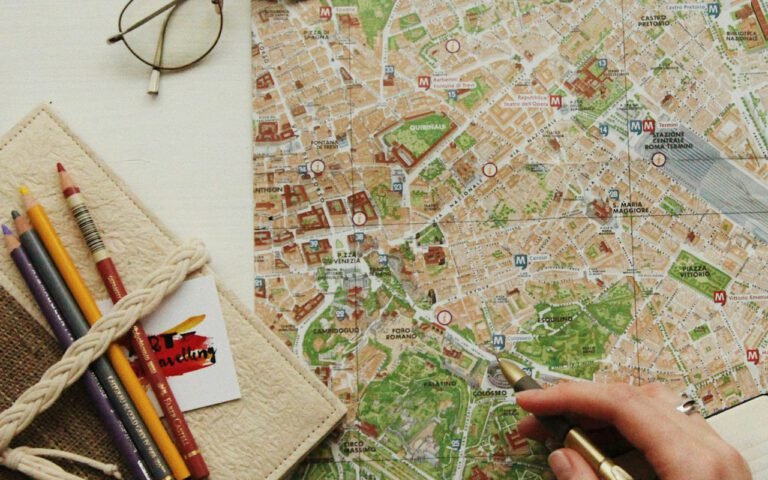 Travel TipsHow We Plan a Trip in One Evening (and Stick to the Budget)Our four-step method: pick the season, map the route, book the stays and leave room for…
 Travel TipsHow to Find Cheap Flights: What Actually Works in 2026Flexible dates, nearby airports and the price alerts we set for every trip.
 Travel TipsWhy We Keep a Travel Journal (and How to Start One)Five minutes a night, a few tickets taped in, and memories that photos don’t keep.
 Travel TipsHiking Safety: The Ten Essentials for Every TrailWhat to carry on a day hike, how to read the weather and when to turn…
Start the conversation