



 PlanningChoosing Your Wedding Venue: 10 Questions to AskCapacity, rain plans and the hidden fees.
Guests & Etiquette Claire Holt6 min read
The 12-Month Wedding Planning Checklist
What to book when — from venue to thank-you notes.
Claire Holt6 min read
Written by
Claire Holt
Claire has planned 300 weddings and still cries at every first look.
7Articles
2026Writing since
A year sounds like a lot of time until you start booking. One week you are celebrating the proposal over champagne; the next, you are discovering that your dream venue in Charleston has two Saturdays left next fall and your favorite photographer is already holding dates for the following spring. Wedding planning has a rhythm, and once you understand it, everything feels lighter. This timeline keeps you calm. It walks you month by month from the first budget conversation to the last thank-you note, so you always know what matters now and what can wait.
Every wedding is different, of course. A backyard celebration for forty guests moves at a different pace than a black-tie ballroom affair for two hundred and fifty. Treat this checklist as a framework, then stretch or compress it to fit your plans. If you have less than a year, do not panic; simply start at the top and move a little faster.
12–9 months out
Set a budget, choose a date, book your venue and your photographer. These four decisions shape almost everything that follows, so give them your full attention before you fall down the rabbit hole of centerpieces and stationery.
Start with the budget
Before you tour a single venue, sit down together, and with any family members who plan to contribute, and agree on a realistic total. Then decide what matters most to you. Some couples care deeply about food and wine; others would rather spend on photography or live music. Ranking your priorities early makes every later decision easier. Our budget estimator can help you see how a total might divide across categories, but your own priorities should always lead.
Draft the guest list
Your guest count drives your venue size, catering cost and even your choice of date. A rough list, even with a few question marks, is essential before you sign any contracts. Many couples create an “A list” and a “B list” so they know where the flexibility lies.
Lock in the venue and date
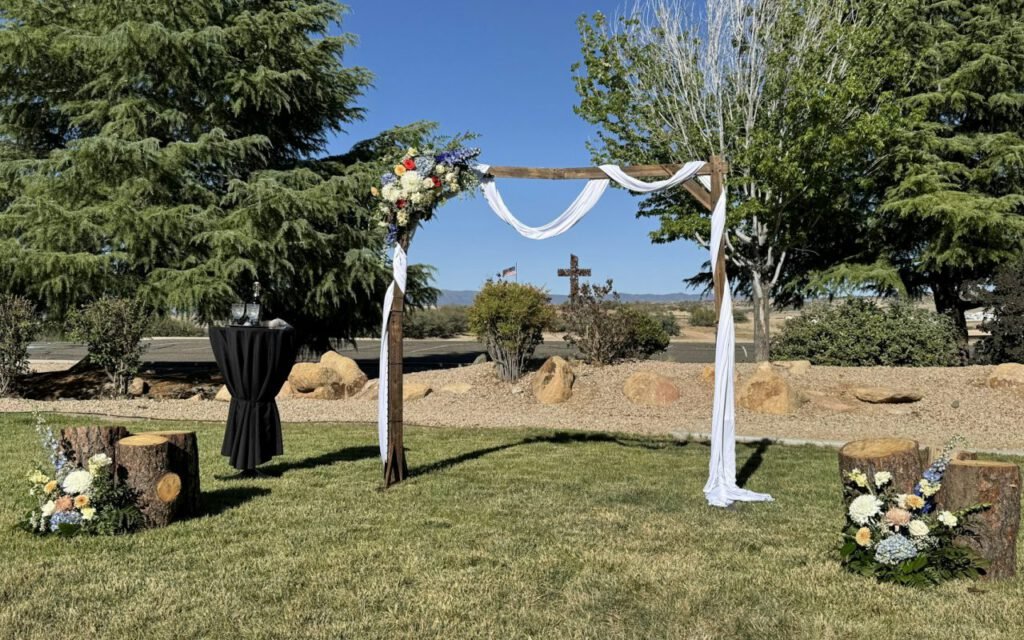
Popular venues and peak-season Saturdays book first. Consider a Friday, a Sunday or an off-season month if you want more options or better value. Once the venue is signed, your date is official, and the rest of your vendors can fall into place.
Book the venue and the photographer first. Everything else follows.
Claire Holt, wedding planner (fictional)
9–6 months out
With the foundation in place, it is time to build the team. This is the season for booking the vendors who tend to fill up quickly and for making the biggest style decisions.
- Book your caterer, if your venue does not provide one, and schedule a tasting.
- Hire your officiant and talk through the shape of the ceremony.
- Book music: a band, a DJ or a string trio for the ceremony.
- Choose a florist and share your inspiration and color palette.
- Start shopping for wedding attire, since many gowns take months to arrive and alter.
- Create your wedding website and send save-the-dates, especially for a destination wedding.
- Reserve a hotel room block for out-of-town guests.
Claire Holt, a planner who has guided couples through more than three hundred weddings, suggests keeping a single shared spreadsheet or planning app for every contract, deposit and due date. “When you have twelve vendors and four payment schedules, a single source of truth is a lifesaver,” she says.
6–3 months out
Send invitations, order the cake, plan the menu and book rentals. This is the stretch where the wedding goes from an idea to a detailed plan. It can feel busy, so break the work into small weekly tasks.
Invitations and stationery
Order invitations about four to six months ahead and mail them roughly eight weeks before the wedding, or ten to twelve weeks for a destination celebration. Set your RSVP deadline about four weeks before the big day. Do not forget programs, menus, place cards and signage, which can often be ordered as a matching suite.
Cake, menu and rentals
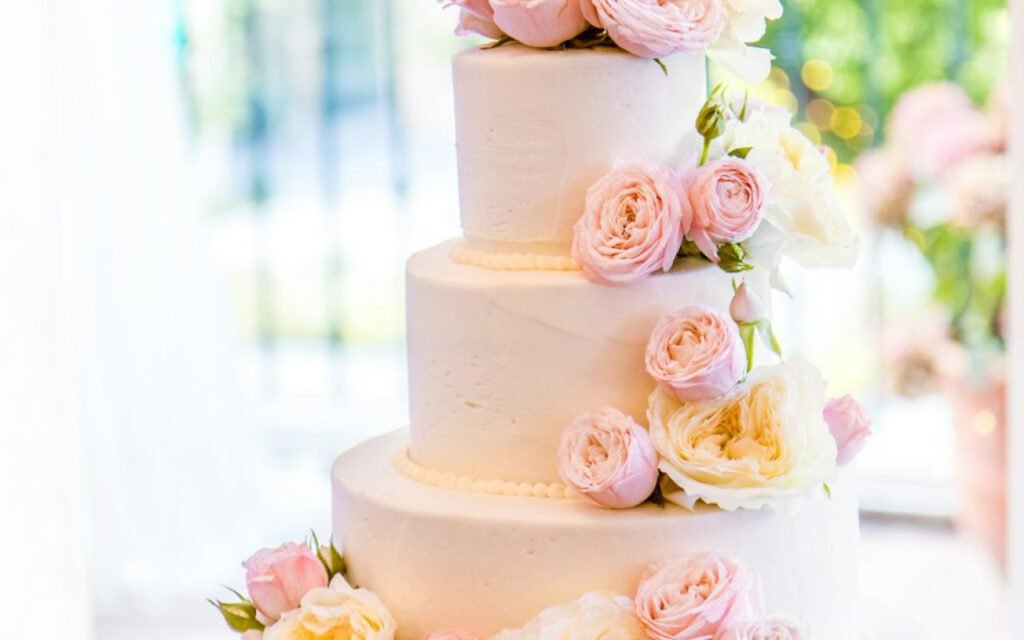
Schedule a cake tasting and finalize the design. Work with your caterer on the menu, including options for guests with allergies or dietary needs. If your venue does not include tables, chairs, linens, tableware or lighting, now is the time to reserve them. Tent rentals for outdoor events should be booked even earlier in busy seasons.
The finishing details
Book hair and makeup, plan transportation, choose wedding bands and think about favors and welcome bags. If you are planning a rehearsal dinner, reserve the restaurant or space now. Many couples also start writing their vows during this window, giving themselves plenty of time to draft and revise.
Keep your sanity
Somewhere around the five-month mark, many couples hit what planners call the “middle slump.” The exciting bookings are done, the final details are not yet urgent and the list of small decisions feels endless. This is a good time to schedule a planning-free weekend. Go to dinner, see a movie and agree not to mention seating charts. Couples who protect a little time for each other during the busy months tend to arrive at the wedding rested and happy instead of exhausted.
It also helps to divide the work clearly. One partner might own the vendor emails while the other handles the guest list and website. Family members who want to help can take on specific, self-contained tasks, such as assembling welcome bags or researching rehearsal dinner spots. Clear ownership means fewer dropped balls and fewer late-night “I thought you were doing that” conversations.
The final two months
As the date approaches, the focus shifts from booking to confirming. Your job is to make sure every vendor knows the plan and every guest knows where to be.
- Eight weeks: mail invitations and schedule final dress fittings.
- Six weeks: apply for your marriage license, checking your county’s rules and timing.
- Four weeks: collect RSVPs and follow up with anyone who has not replied.
- Three weeks: build the seating chart and confirm vendor arrival times.
- Two weeks: share a detailed day-of timeline with every vendor and your wedding party.
- One week: give final numbers to the caterer, pack for the honeymoon and break in your shoes.
At a glance
- 12 months: budget, venue, date
- 9 months: photographer, caterer
- 6 months: invitations, attire
- 1 month: final headcount
Key takeaway: book the big pieces early, confirm every detail late and delegate the day itself to someone you trust so you can be fully present.
After the wedding
The celebration is over, but a few tasks remain. Send thank-you notes within about three months, mentioning each gift and something personal. Return any rentals and make sure deposits come back. If one of you is changing your name, start the paperwork once you have certified copies of your marriage certificate. Preserve your bouquet or gown if you wish, and leave thoughtful reviews for the vendors who made your day special.
Finally, take a breath. The months of lists and decisions were all in service of one day, and that day belongs to you. With a clear timeline, a realistic budget and a team you trust, you will spend less energy worrying and more time enjoying the moments that really matter: the walk down the aisle, the first kiss and the dance floor at midnight.
Written by
Claire Holt
Claire has planned 300 weddings and still cries at every first look.
7Articles
2026Writing since
Read next
PlanningChoosing Your Wedding Venue: 10 Questions to AskCapacity, rain plans and the hidden fees. Dresses & RingsRing Shopping: A Simple Guide to the Four CsCut, color, clarity and carat — explained without jargon.
 Guests & EtiquetteGuest Etiquette: What to Know Before the Big DayRSVPs, plus-ones and phones away during the vows.
 Dresses & RingsHow to Set a Wedding Budget (and Stick to It)Where the money goes and where you can save.
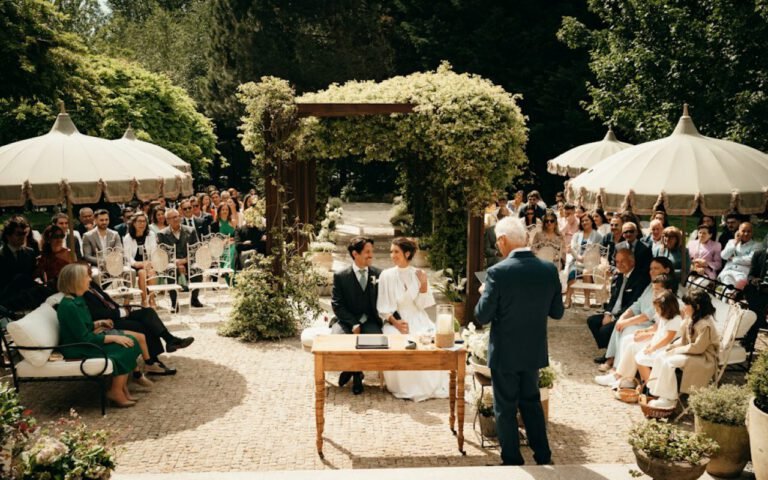 Guests & EtiquetteOutdoor Ceremonies: Arches, Aisles and Backup PlansGorgeous in the sun — and smart about the weather.
 Dresses & RingsSmall Weddings, Big Love: The Case for Under 50 GuestsMore time with the people you love most.
 Dresses & RingsWedding Photography: How to Choose Your PhotographerPortfolios, packages and personality.
 PlanningWedding Day Timeline: A Sample ScheduleFrom hair and makeup to the last dance.
Thanks for explaining this so clearly.
Great reporting — please keep following this story.