



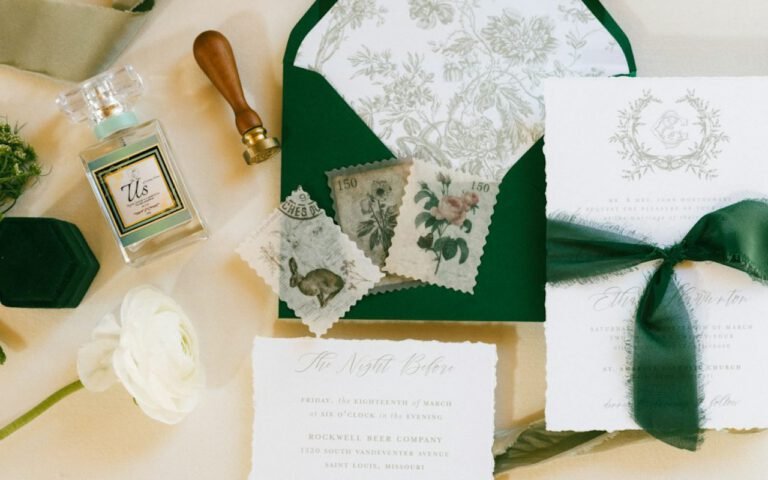
 Guests & EtiquetteThe 12-Month Wedding Planning ChecklistWhat to book when — from venue to thank-you notes.
Dresses & Rings Claire Holt6 min read
Small Weddings, Big Love: The Case for Under 50 Guests
More time with the people you love most.
Claire Holt6 min read

Written by
Claire Holt
Claire has planned 300 weddings and still cries at every first look.
7Articles
2026Writing since
Many couples are choosing smaller weddings — and spending the savings on food, travel or a home. A decade ago, a guest list under fifty might have been seen as a compromise, something you did because of money or circumstance. Today it is often the first choice. Couples tell us they want to remember every face in the room, eat a meal that feels like a dinner party rather than a banquet and start married life without a pile of bills. A small wedding is not a lesser wedding. Done well, it can be the most personal and memorable kind there is. Here is what makes it work, what makes it hard and how to plan one you will love.
The perks
More conversation, better food per guest and more venue options. Those three benefits come up in nearly every small-wedding story our readers send us, and each one is bigger than it sounds.
Conversation first. At a wedding of two hundred, many couples spend the reception on a fast lap of hellos, barely finishing a sentence with anyone. At forty, you can sit down at every table, hear the stories and actually eat your own dinner. Guests notice, too. They feel like participants rather than an audience.
Then the food. When the headcount is small, the per-person budget can stretch further. That might mean a plated, multi-course dinner, a chef’s tasting menu, family-style platters or a better wine list. Some couples hire a favorite local restaurant for a private dining room, an option that simply isn’t possible for a large crowd.
Finally, venues. A small guest count opens doors that bigger weddings can’t walk through: a historic library room, a vineyard terrace, a rooftop garden, a cabin with a view, an art gallery after hours or even a beautiful backyard. Many of these spaces also cost less and have more open dates.
There is a quieter perk as well: less stress. Fewer guests means fewer RSVPs to chase, fewer dietary requests to track, fewer hotel blocks to manage and fewer seating-chart puzzles to solve. Couples who planned small weddings often tell us the planning months felt lighter, and that they arrived at the wedding rested rather than worn out.
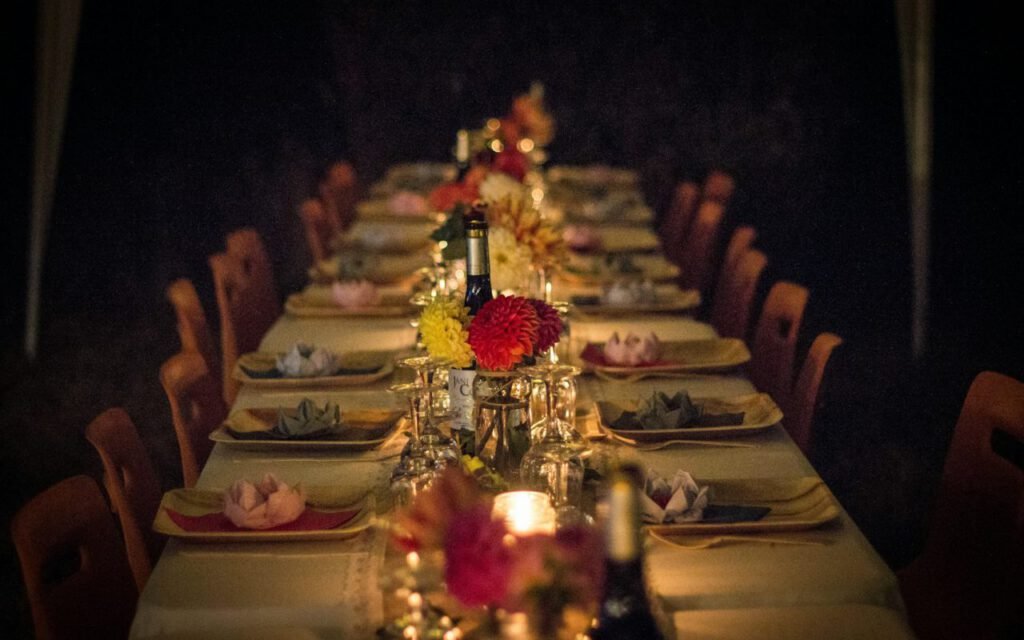
At 40 guests, we actually talked to everyone. That was the dream.
Reader story
Where the savings go
Because almost every wedding cost scales with the guest count, cutting the list is the most powerful budget move a couple can make. Catering, rentals, bar service, invitations, favors and even flowers all shrink when there are fewer seats to fill. The couples we hear from tend to redirect that money in a few common ways:
- A better meal: upgrading from a buffet to a seated dinner, or adding a raw bar or late-night snack.
- A longer honeymoon: turning a long weekend into two weeks in a national park or on the coast.
- A down payment: putting a meaningful sum toward a first home.
- Experiences for guests: hosting a welcome dinner, a morning hike or a farewell brunch for everyone.
- A top-tier photographer: fewer guests often means more time for portraits and candid moments.
Use our budget estimator to compare two versions side by side, one at forty guests and one at one hundred twenty. Seeing the numbers next to each other often settles the debate faster than any argument.
The hard part
Cutting the guest list. Make clear rules and stick to them. This is where small weddings get emotional. Every name on the list has a face and a history, and leaving people out can feel personal even when it isn’t. The best defense is a set of rules you agree on before anyone sees a draft.
Here are the rules our readers find most useful:
- The last-year rule: if you haven’t spoken to them in the last twelve months, they don’t make the list.
- No plus-ones by default: only married, engaged or long-term partners are invited.
- No coworkers, unless they are close friends: apply it evenly, so nobody feels singled out.
- Adults only, or immediate family children only: pick one and say it clearly on your website.
- Equal sides: divide the seats fairly between both families and both sets of friends.
When a relative asks why someone was left out, you can point to the rule rather than to a person. “We kept it to immediate family and close friends” is honest, kind and hard to argue with. Most people understand, and many will be quietly relieved not to travel.
It also helps to decide early whether you will host a larger celebration later, such as a casual backyard party or a reception at home a few months after the wedding. Some couples find that a “we’re keeping the ceremony tiny, but we’ll throw a party in the fall” message softens the news for everyone.

Planning details that matter more
When the room is small, details get noticed. Every guest sees the table setting up close, hears every word of the vows and probably talks with you more than once. That is a gift, but it also means a few things deserve extra care.
Seating matters more than ever. Consider one long table rather than several round ones; it makes the reception feel like a family dinner and lets everyone see each other. Handwritten place cards, a menu at each seat and a short personal note to every guest are affordable at this size and deeply appreciated.
Timeline matters, too. With fewer people, the evening can be slower and more relaxed. Skip the formalities you don’t care about. Maybe there is no bouquet toss or grand entrance, and instead there are longer toasts, a few games or a walk outside together at sunset.
And don’t forget the ceremony. A small group can gather in a circle around you, read something together or each light a candle. Ideas that would be unwieldy for two hundred people become lovely at forty.
Is a small wedding right for you?
A small wedding isn’t for everyone, and that’s fine. If you come from a big, close family where every cousin expects an invitation, or if a huge party with a packed dance floor is the thing you have always dreamed about, a large wedding may be the right call. The question is not which size is better. It is which size fits your family, your budget and the day you picture when you close your eyes.
Try this test. Imagine your reception at its best moment. Are you dancing in a crowd of a hundred and fifty, or laughing with a few dozen people at a long table under string lights? The answer usually tells you which direction to go. Our “what’s your wedding style?” quiz can help you put that feeling into words, too.
Key takeaway: A small wedding trades size for depth. Set fair guest-list rules early, put the savings where they matter most to you and make every detail feel personal.
Big love, any size
Whether you invite twelve people or forty-nine, a small wedding gives you something money can’t usually buy: time. Time to talk to your grandmother, to hug your oldest friend, to sit down for dinner and actually taste it. It gives you room in the budget for a dream honeymoon or a first home, and it lets you choose a venue for its beauty instead of its capacity. The hardest part is the guest list. Make your rules, hold them kindly and then enjoy a day that feels like yours from the first toast to the last dance.
Written by
Claire Holt
Claire has planned 300 weddings and still cries at every first look.
7Articles
2026Writing since
Read next
Guests & EtiquetteThe 12-Month Wedding Planning ChecklistWhat to book when — from venue to thank-you notes. PlanningChoosing Your Wedding Venue: 10 Questions to AskCapacity, rain plans and the hidden fees.
 Dresses & RingsRing Shopping: A Simple Guide to the Four CsCut, color, clarity and carat — explained without jargon.
 Dresses & RingsHow to Set a Wedding Budget (and Stick to It)Where the money goes and where you can save.
 Dresses & RingsFinding “The Dress”: Tips From a Bridal StylistAppointments, budgets and who to bring.
 Dresses & RingsWedding Photography: How to Choose Your PhotographerPortfolios, packages and personality.
 PlanningWedding Day Timeline: A Sample ScheduleFrom hair and makeup to the last dance.
Start the conversation