


 Guests & EtiquetteThe 12-Month Wedding Planning ChecklistWhat to book when — from venue to thank-you notes.
Dresses & Rings Claire Holt7 min read
How to Set a Wedding Budget (and Stick to It)
Where the money goes and where you can save.
Claire Holt7 min read

Written by
Claire Holt
Claire has planned 300 weddings and still cries at every first look.
7Articles
2026Writing since
Venue and food usually take the biggest share of a wedding budget. Knowing that helps you plan. It sounds obvious, yet most couples we hear from at Vow & Veil start their planning the other way around: they fall in love with a dress, a florist’s portfolio or a band they saw at a friend’s reception, and only later sit down with a calculator to discover that the reception alone has quietly claimed half of everything they meant to spend. A budget is not the fun part of getting engaged, but it is the part that lets the fun parts happen without a knot in your stomach. This guide walks through where the money really goes, how to decide what deserves the biggest slice, and the habits that keep a number on paper from drifting upward month after month.
Start with an honest number
Before you price a single vendor, agree on a total you can spend without borrowing more than you are comfortable with. That figure usually comes from three places: what the two of you have saved, what you can set aside between now and the wedding, and any gifts family members have offered. Have the family conversation early and get specifics. “We’d love to help” is generous, but “we can contribute $8,000 toward the reception” is something you can actually plan around.
Once you have a total, take off ten percent and put it in a separate line called “buffer.” That money is not for upgrades. It covers the surprises that show up in almost every wedding: a service charge you missed in the fine print, extra chairs, a last-minute alteration, tips for vendors you forgot to count. Couples who plan with a buffer tend to finish on budget. Couples who plan to the last dollar almost never do.
Our budget estimator on Vow & Veil is a good place to rough out the first draft. Enter your guest count, your region and your total, and it suggests a starting split you can adjust. Treat it as a sketch, not a rule. Your priorities will reshape it quickly, and that is exactly the point.

Pick your top three
Decide what matters most — food, music, photos — and spend there. Every couple has a different answer, and there is no wrong one. Some people want a dinner their guests will talk about for years. Others care far more about a packed dance floor, or about having photographs good enough to frame. Sit down separately, each write your top three, then compare. Where your lists overlap, you have found your priorities. Where they differ, you have found your first real compromise as a planning team.
Once you know your top three, give them the generous share of the budget and be deliberately modest everywhere else. That does not mean cheap. It means simple and well chosen. If photography is your priority, maybe the flowers become a few lush arrangements instead of something on every surface. If the band matters most, perhaps the invitations are printed digitally rather than letterpressed. Guests notice the things you loved, and very few notice what you trimmed.
Every guest adds cost. The guest list is your budget.
Claire Holt, wedding planner (fictional)
Holt’s point is the single most useful idea in wedding planning. Catering, rentals, bar service, favors, stationery, even the size of the venue all scale with the number of people. Trimming twenty guests can free up more money than any clever savings trick, so settle the guest list before you sign anything big.
Typical big costs
Wedding budgets vary wildly by region and season, so we won’t pretend there is one correct percentage for each category. What is consistent is the order. In most of the weddings our readers share with us, these line items take the largest shares, roughly in this order:
- Venue & food: often the largest single block, especially when the venue requires its own catering or a food-and-beverage minimum.
- Photography: packages differ by hours of coverage, a second shooter and whether an album is included.
- Attire: the dress or suit, alterations, shoes, accessories and hair and makeup add up faster than people expect.
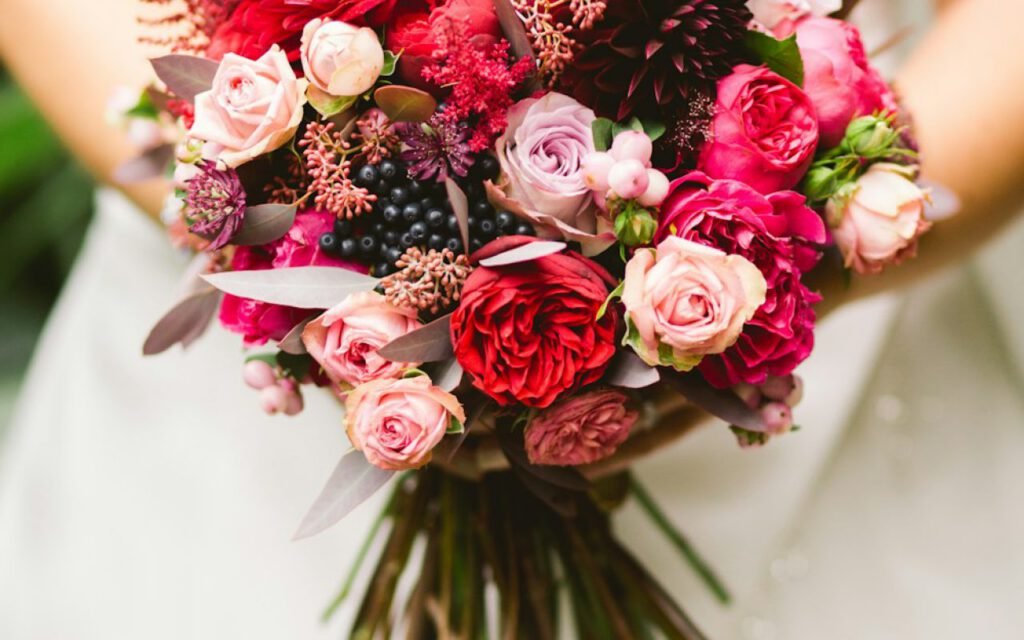
- Flowers: bouquets, boutonnieres, ceremony pieces and centerpieces.
- Music: a band typically costs more than a DJ, and ceremony musicians are a separate booking.
After those come the smaller items that are easy to forget: stationery and postage, the cake, officiant fees, transportation, marriage license fees, rings, favors, a rehearsal dinner and gratuities. Write every one of them into your spreadsheet now, even if the number is a guess. A line that exists with a rough estimate is far less dangerous than a line that doesn’t exist at all.

Save smart
Off-peak dates, Friday weddings and smaller guest lists can save thousands. Many venues price Saturdays in June, September and October at a premium, while a Friday evening or a Sunday afternoon in the same space may cost noticeably less. Winter and early spring dates are often the most flexible of all, and vendors may be more open to adding small extras when their calendars are lighter.
A few other moves we see couples use well:
- Ask what is included. Some venues provide tables, chairs, linens and basic lighting. Others charge separately for every piece. Compare the full quote, not the headline rental fee.
- Repurpose ceremony flowers. Arch arrangements and aisle pieces can move to the reception for a second life.
- Limit the bar. Beer, wine and one signature cocktail can feel generous and cost far less than a full open bar.
- Choose a smaller cake. A modest cutting cake backed by sheet cake in the kitchen serves the same number of guests.
- Book the essentials early. Popular photographers and venues fill up, and early bookings sometimes lock in last year’s pricing.
What we would not cut: the contract review. Read every agreement carefully, note cancellation and postponement terms, and if anything feels unclear, ask the vendor in writing. For larger contracts, it can be worth having someone with legal experience take a look.
Sticking to it after you book
Setting a budget is one afternoon. Keeping it is a year-long habit. The couples who stay on track tend to do a few simple things. They keep one shared spreadsheet with three columns for each item: estimate, quoted price and amount actually paid. They update it the day a deposit goes out. And they agree that any upgrade in one category has to come out of another, never out of the buffer.
It also helps to set a rule about small decisions. Many budgets don’t break on a single big purchase; they erode through dozens of $40 and $80 add-ons. Decide together that anything over a certain amount, say $100, needs a quick conversation before anyone says yes. It sounds formal, but it saves a lot of tension later.
Our 12-month planning stepper can remind you when deposits and final payments are usually due, so nothing lands as a surprise. Pair it with a monthly check-in over coffee, and the budget becomes a shared project rather than a source of stress.
Key takeaway: Settle your total and your guest list first, protect a ten percent buffer, and let your top three priorities decide where the rest of the money goes.
The bottom line
A wedding budget is really a list of choices about what you value. When you know that the venue and food will take the biggest share, that the guest list drives nearly everything else, and that your top three priorities deserve the most attention, the rest of the decisions get easier. You stop comparing your plans to someone else’s highlight reel and start building a day that fits your lives and your bank account. Finish the year with the wedding you wanted and no regrets about the bill, and you will have done something many couples only wish they had. Take it one line item at a time, keep talking to each other, and enjoy the planning.
Written by
Claire Holt
Claire has planned 300 weddings and still cries at every first look.
7Articles
2026Writing since
Read next
Guests & EtiquetteThe 12-Month Wedding Planning ChecklistWhat to book when — from venue to thank-you notes. PlanningChoosing Your Wedding Venue: 10 Questions to AskCapacity, rain plans and the hidden fees.
 Dresses & RingsRing Shopping: A Simple Guide to the Four CsCut, color, clarity and carat — explained without jargon.
 Dresses & RingsFinding “The Dress”: Tips From a Bridal StylistAppointments, budgets and who to bring.
 Dresses & RingsSmall Weddings, Big Love: The Case for Under 50 GuestsMore time with the people you love most.
 Dresses & RingsWedding Photography: How to Choose Your PhotographerPortfolios, packages and personality.
 PlanningWedding Day Timeline: A Sample ScheduleFrom hair and makeup to the last dance.
Thanks for explaining this so clearly.
Great reporting — please keep following this story.