


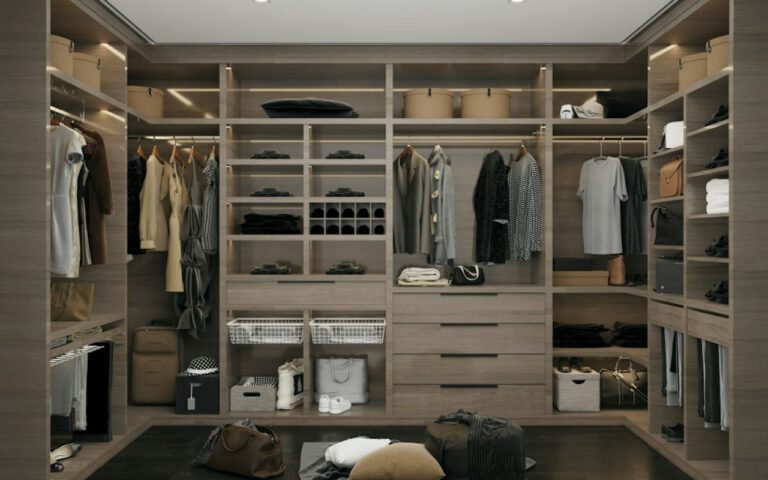
 ShoppingThe 30-Piece Capsule Wardrobe for FallFewer clothes, more outfits — the pieces that do the most work.
Independent boutiques bring curation and character you won’t find at the mall. Walk into a good one and you can feel it immediately: the racks are edited, the music is chosen, the person behind the counter remembers the last thing you bought and knows which new arrival you will love. Small shops are where many of the most interesting ideas in fashion first appear, long before they show up in a chain store window. They also keep downtown streets lively, support local makers and give a neighborhood its personality.
This fall, our shopping team visited dozens of independent stores across the country and narrowed the list to ten favorites. All of the shops below are fictional, but each represents a kind of boutique worth seeking out in your own town. Think of this as a field guide to what great small retail looks like.
Why shop small
Owners often know their makers and can tell you how things are made. Ask a question in a small shop and you will rarely hear “I’ll have to check.” The owner probably met the knitter at a craft fair, visited the leather workshop or chose the fabric for a private-label shirt. That knowledge is valuable. It helps you understand what you are paying for and how to care for it.
Small shops also offer a level of service that is hard to find elsewhere. Many will hold an item for a day, call you when your size comes in or suggest a tailor down the street. Some host trunk shows, mending nights and seasonal markets that bring the community together.
And there is a practical benefit: smaller buying runs mean you are less likely to see your new jacket on three other people at the same party.
Every small shop is a point of view.
Our shopping editor
Our shopping editor’s line sums up why we love these stores. A chain tries to please everyone. A boutique reflects the taste of one or two people, and when that taste matches yours, it feels like finding a friend.
Our favorites
A vintage denim shop, a hat maker and a sustainable basics brand (all fictional) top the list, joined by seven more that we would happily visit again.
- Indigo & Rivet, Denver, Colorado. A vintage denim shop with walls of jeans sorted by waist, inseam and decade. The owner will measure you and pull five pairs before you can ask.
- Crown & Brim, Savannah, Georgia. A hat maker working in straw and felt, with custom fittings by appointment and a small ready-to-wear wall.
- Plainweave Basics, Portland, Oregon. A sustainable basics brand selling organic cotton tees, simple knits and everyday trousers made in small batches.
- The Linen Room, Santa Fe, New Mexico. Breezy linen dresses, shirts and wide trousers in sun-washed colors.
- Second Story Vintage, Chicago, Illinois. A walk-up shop specializing in coats and blazers from the 1970s through the 1990s.
- Harbor Goods, Portland, Maine. Fishermen’s sweaters, canvas totes and rain gear with a coastal attitude.
- Oak & Thimble, Nashville, Tennessee. A boutique and alterations studio where you can buy a dress and have it hemmed the same afternoon.
- Silver Spur Mercantile, Austin, Texas. Western boots, leather belts and handmade silver jewelry from regional artisans.
- Little Market Studio, Asheville, North Carolina. Ceramics, scarves and small-batch accessories from makers across the Blue Ridge region.
- Fold & Pleat, Minneapolis, Minnesota. A minimalist shop for tailored trousers, crisp shirts and the warmest wool coats we tried all year.
What these shops have in common
Looking back over the list, a few patterns stand out. Every one of these shops is small enough that the owner is usually on the floor. Every one carries a tight, edited selection rather than a bit of everything. Most of them sell work from local or regional makers alongside a few carefully chosen national labels. Several offer services that a big store rarely does, from free hemming on trousers to repairs on boots and bags bought there years ago.
They also share a sense of place. Harbor Goods feels like the coast of Maine. Silver Spur Mercantile could only be in Texas. The Linen Room is shaped by the dry heat and bright light of the high desert. That local character is exactly what makes visiting a boutique on a trip so rewarding. You come home with something you could not have bought anywhere else, and a story about where it came from.
Finally, each of these shops has a clear point of view about quality. Owners told us again and again that they would rather sell fewer pieces that last than fill the racks with clothes that fall apart. Several keep a repair log for regular customers, and one will happily talk you out of a purchase if she thinks it will not suit you.
How to find great boutiques near you
Not every town has ten great independent shops, but most have at least one or two worth knowing. Finding them takes a little curiosity.
Start with the main street or historic district of your town, where small retailers often cluster. Walk a few blocks off the busiest stretch; rents are lower there, and some of the most creative shops are hidden on side streets. Check local event calendars for pop-up markets, craft fairs and holiday makers’ markets, where many boutiques sell or recruit new brands.
Ask people whose style you admire where they shop. A friend, a coworker or even a stranger on the street will usually be happy to share. Small shop owners are also great sources; most of them know and recommend each other.

Getting the most from a small shop
Shopping at a boutique is a little different from shopping at a department store. A few habits make the experience better for you and the owner.
- Talk to the staff. Tell them what you are looking for and how you like to dress. They can steer you to pieces you might miss.
- Ask about the makers. Where was it made? What is it made of? How should it be cleaned? Good shops love these questions.
- Join the mailing list. Small shops often announce new arrivals, trunk shows and seasonal sales to subscribers first.
- Follow the return policy. Many boutiques offer store credit instead of refunds. Read the policy before you buy.
- Be patient with prices. Small-batch goods often cost more because they are made in limited numbers, sometimes by hand.
Key takeaway: a boutique is at its best when you treat it as a relationship, not a transaction.
Small purchases, big impact
You do not have to do all your shopping at independent stores to make a difference. Even one or two purchases a season, a sweater for yourself, a gift for a friend or a pair of earrings from a local maker, helps a small business stay open. Many owners say that regular customers who stop in a few times a year are the backbone of their business.
Shopping small is also a way to buy less but better. When you know who chose an item and why, you tend to treat it with more care, and keep it longer.
Go explore
This weekend, skip the mall and take a walk down your town’s main street. Step into the shop you have always walked past. Ask the owner what is new and what they love. You may not leave with anything, and that is fine. But you might find a point of view that feels just like yours, and a place you will come back to for years.
Leo hasn’t bought new jeans since 2019 and can patch anything.

Written by
Leo Grant
Leo hasn’t bought new jeans since 2019 and can patch anything.
3Articles
2026Writing since
Read next
ShoppingThe 30-Piece Capsule Wardrobe for FallFewer clothes, more outfits — the pieces that do the most work. BeautyA Simple Skincare Routine That Actually WorksCleanse, moisturize, protect — and skip the 12-step routine.
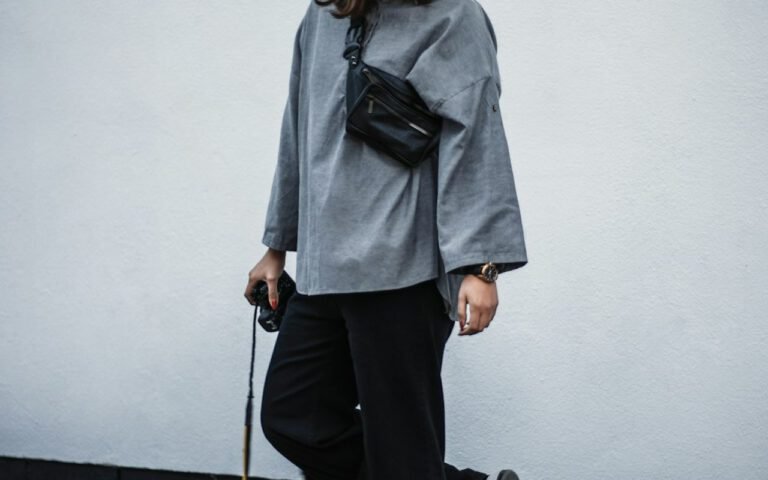 Sustainable StyleStreet Style Report: What People Are Actually WearingOversized coats, wide trousers and sensible shoes.
 AccessoriesThe Art of the Sun HatStyle that protects — how to pick the right brim.
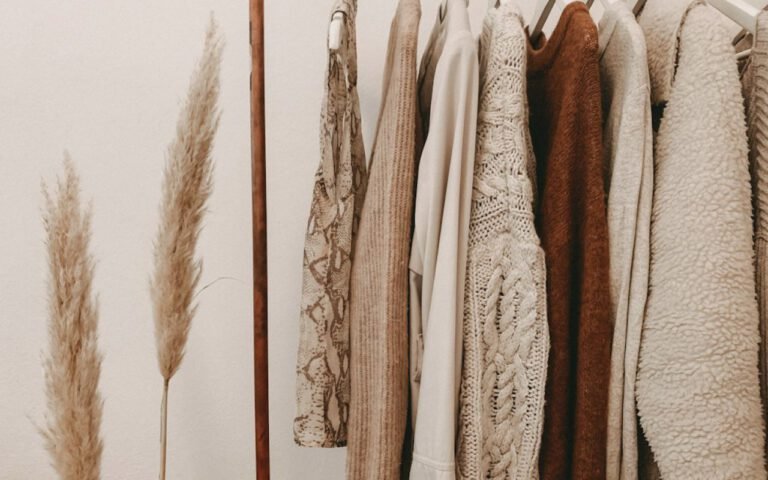 ShoppingThe Fall Color Palette: Rust, Olive and CreamEasy ways to wear the season’s warmest shades.
 AccessoriesLayering Jewelry Without Looking ClutteredMixing metals, lengths and the rule of odd numbers.
 ShoppingHow Clothes Should Fit: A Simple GuideShoulders first, sleeves second, everything else is tailoring.