



 BeautyA Simple Skincare Routine That Actually WorksCleanse, moisturize, protect — and skip the 12-step routine.
Accessories Ava Monroe6 min read
Layering Jewelry Without Looking Cluttered
Mixing metals, lengths and the rule of odd numbers.
Ava Monroe6 min read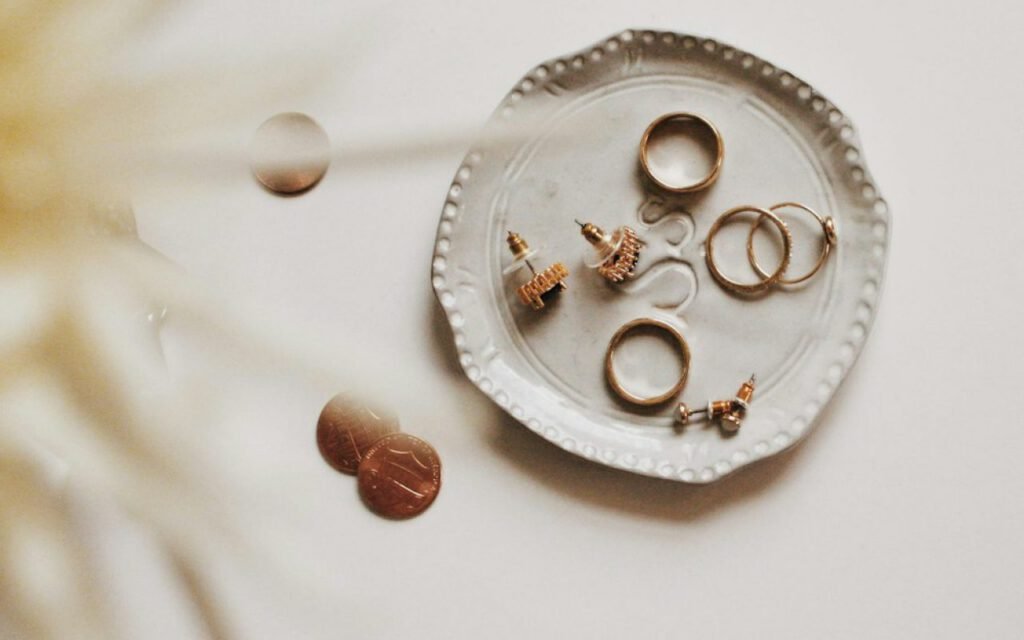

Written by
Ava Monroe
Ava has styled shoots for 15 years and still believes the best accessory is a good coat.
9Articles
2026Writing since
Layered necklaces and stacked rings are easy to get right with a few simple rules. Done well, a layered look feels personal and effortless, like a collection that grew over years of gifts, travels and small treats. Done carelessly, it can turn into a tangle of chains fighting for attention at the base of your throat. The difference is rarely about price or quantity. It is about spacing, balance and knowing when to stop. Once you learn a few principles, you can layer pieces you already own with confidence, and the result will look intentional every time.
We asked a fictional jewelry designer and our own accessories editors to share the guidelines they use every morning. Whether you own three necklaces or thirty, these ideas will help you build combinations that feel polished rather than cluttered.
Vary the lengths
Space necklaces at least an inch apart so each one shows. This is the foundation of every good layered look. When chains sit too close together, they tangle, overlap and blur into one another. When they are spaced out, each piece has room to be seen.
Necklaces are commonly sold in standard lengths, and knowing them makes layering much easier.
- 14 to 16 inches: a choker or collar length that sits at the base of the neck.
- 18 inches: the most common length, falling around the collarbone.
- 20 to 22 inches: just below the collarbone, ideal for a pendant.
- 24 inches and longer: at or below the bust, often called matinee or opera lengths.
A classic three-piece layer might combine a 16-inch fine chain, an 18-inch chain with a small charm and a 22-inch chain with a pendant. Each one has its own space, and the overall shape forms a gentle V that flatters most necklines.
If your chains are the same length, a small extender, a short piece of chain with a clasp, solves the problem. Many jewelry stores sell them for a few dollars.
Start with one piece you love and build around it.
Jewelry designer (fictional)
Balance weight and texture
Our designer’s advice is the most useful starting point. Choose one hero piece, perhaps a pendant from a grandparent, a bold chain or a meaningful charm, and let it lead. Then add one or two supporting pieces that are quieter, finer or simpler. The hero should be the first thing the eye lands on.
Mixing textures adds interest without adding clutter. Combine a smooth snake chain with a twisted rope chain and a delicate beaded strand. Pair a chunky curb chain with two very fine ones. The contrast helps each piece stand apart, even when the metals and colors are similar.
Watch the overall weight. Three heavy chains can feel overwhelming, while three very fine chains can look like a single blurry line. One substantial piece paired with lighter ones is usually the sweet spot.
Mixing metals
Gold and silver can mix — repeat each metal at least twice. The old rule that you should never mix metals has relaxed in recent years, and many stylists now encourage it. The trick is repetition. If you wear a single silver chain among four gold pieces, it can look like a mistake. If silver appears twice, perhaps a chain and a ring, it looks like a decision.
A few other ideas make mixed metals look polished:
- Use a bridge piece. A necklace or ring that already combines gold and silver ties the two together.
- Keep one metal dominant. Let gold or silver lead, with the other as an accent.
- Repeat across the body. If your necklace mixes metals, echo that mix in your rings or earrings.
- Consider your watch and belt buckle. These count, too, and can help balance the look.
Rose gold works beautifully as a bridge between yellow gold and silver because its warm pink tone sits right between them.
Three easy formulas to try
If you are not sure where to begin, start with one of these combinations, then adjust to suit your collection.
The everyday trio. A 16-inch fine chain, an 18-inch chain with a tiny initial or birthstone charm and a 20-inch chain with a small coin pendant. All in one metal, all delicate. It works with a T-shirt, a button-down or a sweater.
The bold and the fine. One chunky 18-inch curb or paperclip chain, flanked by a very fine 16-inch chain above and a fine 22-inch chain below. The contrast in weight makes each piece stand out.
The long and lean. A 24-inch chain with a larger pendant and a 30-inch chain with a simple bead or charm. This is the best choice for crew necks and turtlenecks.
Whichever formula you choose, put the necklaces on from shortest to longest, and fasten each clasp before adding the next. A quick shake of the shoulders afterward helps each chain settle into place.
Stacking rings and bracelets
The same principles apply to hands and wrists. For rings, vary the widths and heights. Pair a wider band with a thin one, and leave some fingers bare to give the eye a rest. Midi rings worn above the knuckle add interest without crowding. Most stylists suggest wearing no more than two or three rings per hand for everyday wear, although special occasions are a chance to go further.
For bracelets, mix a watch or a structured bangle with a fine chain bracelet or a beaded strand. Keep the stack on one wrist for a clean look, or balance a watch on one side with a simple stack on the other. Listen, too. Bangles that clank constantly against a desk can be distracting in an office meeting.

Matching jewelry to your neckline
Your clothes play a big role in how layered jewelry looks. Open necklines, such as V-necks, scoop necks and unbuttoned collars, are the ideal canvas. They give layered chains space to fall naturally. Crew necks work well with longer layers that sit over the fabric. High necklines and turtlenecks pair nicely with a single long pendant or two long chains, since shorter pieces get lost in the fabric.
Busy prints and heavy embellishment compete with layered jewelry. On those days, scale back to one or two pieces. On plain knits and simple tees, you can be more playful.
Key takeaway: space your necklaces an inch or more apart, choose one hero piece, repeat each metal at least twice and let the neckline guide how much you wear.
Caring for layered pieces
Fine chains tangle easily, especially when stored together. Hang necklaces on hooks or lay them flat in a divided tray. When traveling, thread each chain through a drinking straw and fasten the clasp to keep it tangle-free. Remove jewelry before swimming, showering or applying lotion and perfume, which can dull finishes over time. A soft polishing cloth keeps gold and silver bright.
Before you head out, take a quick look in the mirror. If the look feels busy, remove one piece. Edited almost always beats excessive.
Build a collection that tells your story
The best layered looks are personal. They mix a gift from a friend with a find from a vintage market, a simple chain from a small local maker and a charm bought on a memorable trip. Follow the rules above, start with one piece you love and build around it, and your jewelry will look curated rather than cluttered, every single day.
Written by
Ava Monroe
Ava has styled shoots for 15 years and still believes the best accessory is a good coat.
9Articles
2026Writing since
Read next
BeautyA Simple Skincare Routine That Actually WorksCleanse, moisturize, protect — and skip the 12-step routine. Sustainable StyleStreet Style Report: What People Are Actually WearingOversized coats, wide trousers and sensible shoes.
 AccessoriesHow to Shop Secondhand Like a StylistThrift stores, fabric checks and the art of the second look.
 AccessoriesThe Art of the Sun HatStyle that protects — how to pick the right brim.
 ShoppingShopping Small: Ten Independent Boutiques We LoveFictional local shops with big personality.
 AccessoriesNail Trends for the Season: Soft, Sheer and GlossyMilky neutrals, chrome tips and short, strong nails.
 ShoppingThe Fall Color Palette: Rust, Olive and CreamEasy ways to wear the season’s warmest shades.
 AccessoriesPerfume 101: Notes, Layers and How Long Scent LastsTop, heart and base — what you smell when.
Start the conversation