

 Home BuyingSaving for a House Down Payment: A Realistic PlanHow much you need, where to keep it and how long it takes.
Home Buying Dana Whitaker6 min read
Renting vs. Buying: The Honest Math
Buying isn’t always better. Here’s how to compare.
Dana Whitaker6 min read

Written by
Dana Whitaker
Dana is a certified financial planner who writes our retirement and home-buying guides.
9Articles
2026Writing since
Owning a home can build wealth, but it comes with costs renters never see. That sentence tends to get lost in the advice people hear growing up. Rent is “throwing money away,” a mortgage is “paying yourself,” and buying is simply what responsible adults do. The truth is more interesting and a lot more personal. Buying isn’t always better. Sometimes it is clearly the right move, and sometimes renting leaves you with more money, more flexibility and less stress. The only way to know is to compare honestly.
This guide lays out the full cost of owning, the situations where renting often comes out ahead and a simple way to run the comparison for your own life. The numbers here are illustrations, not predictions, and your local market, taxes and plans will change the answer.
The myth of “throwing money away”
Rent buys you something real: a place to live, with repairs and many big risks handled by someone else. It isn’t wasted any more than a grocery bill is wasted. The question isn’t whether rent disappears. It’s whether the money you’d spend owning a home, beyond what builds equity, is more or less than what you’d spend renting.
A mortgage payment is part principal and part interest. The principal portion builds equity, which is the slice of the home you own outright. The interest, especially in the early years, goes to the lender and doesn’t come back. Add in taxes, insurance and upkeep, and a large chunk of a homeowner’s monthly cost is also “gone” in the same sense people describe rent.
Hidden costs of owning
Property taxes, insurance, maintenance (often 1–2% of the price a year) and closing costs. Those four line items are where most rent-versus-buy comparisons go wrong, because they rarely show up in the headline monthly payment a listing site displays.
- Property taxes. These vary widely by state and county and can rise as your home’s assessed value goes up.
- Homeowners insurance. Required by most lenders, and in some areas prices have climbed quickly due to weather risks.
- Maintenance and repairs. A common rule of thumb is to budget 1–2% of the home’s price each year. On a $350,000 home, that’s $3,500 to $7,000 a year, even if some years are quiet and others bring a new roof or water heater.
- Closing costs. Lender fees, title insurance, appraisals and more, often a few percent of the loan. You may also pay a real estate commission when you sell.
- HOA dues and private mortgage insurance. Depending on the property and your down payment, these can add hundreds of dollars a month.
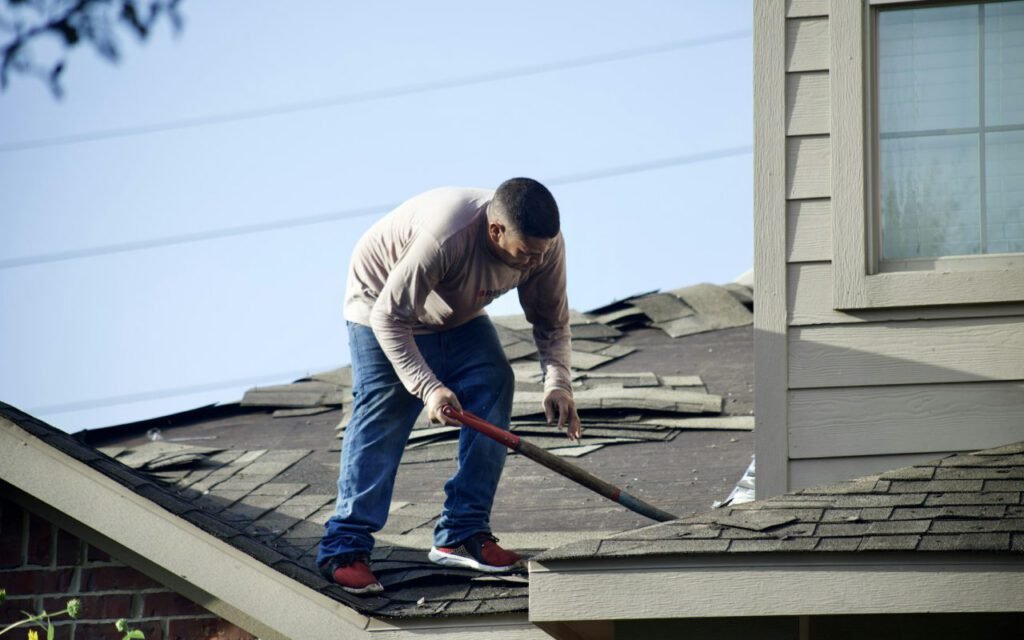
There are also costs that are easy to forget: furniture for extra rooms, lawn equipment, higher utility bills for a larger space and the time you’ll spend on upkeep. None of these make buying a bad idea. They just need to be in the math.
A home is a place to live first and an investment second.
Dana Whitaker, certified financial planner
Dana Whitaker, a certified financial planner who answers reader questions for Good Cents, says the families who feel happiest about buying are usually the ones who chose a home they wanted to live in for a long time, not the ones chasing a market prediction.
When renting wins
If you might move within a few years, renting is often cheaper overall. The reason is simple: buying and selling a home are expensive transactions. Closing costs when you buy, plus selling costs when you leave, can easily eat up any equity you’ve built in a short stay.
Renting also tends to make sense when:
- Your job or life plans are uncertain. A new career, a possible relocation or a growing family can make flexibility worth paying for.
- Homes in your area cost far more than rent. In some cities, buying a home costs dramatically more per month than renting a similar one. That gap can be invested instead.
- You don’t have an emergency fund yet. Owning a home without a cash cushion means a broken furnace can become credit card debt.
- Your credit needs work. A higher score can mean a meaningfully lower mortgage rate. Waiting a year to improve it may save real money.
When buying often wins
On the other hand, buying tends to look better when you plan to stay put for many years, when the monthly cost of owning is close to local rent, when you have a solid down payment plus reserves and when you value stability and the freedom to change your space. Over long periods, steady principal payments and potential home value growth can build meaningful wealth, though home prices can also fall.
Running the honest math
Here’s a simple way to compare. It won’t be perfect, but it will be far more accurate than comparing rent to a mortgage payment alone.
Start with the full monthly cost of owning: mortgage principal and interest, property taxes, insurance, HOA dues, mortgage insurance if any and a monthly maintenance estimate. Then subtract the principal portion, since that builds equity. What remains is your unrecoverable cost of owning. Compare that with your rent plus renters insurance.
Next, think about your down payment. If you rent instead, that money could be invested. Its potential growth belongs in the renting column. Finally, add buying and selling costs spread over the years you expect to stay.
For example, picture a $350,000 home with a monthly cost of about $2,700 once taxes, insurance and maintenance are included, of which perhaps $450 goes to principal early on. That’s roughly $2,250 a month in unrecoverable costs. If a similar rental costs $2,000 and you can invest the difference plus your down payment, renting may come out ahead for the first several years, while buying may pull ahead the longer you stay. Your local numbers will tell a different story, which is why it’s worth running them.
Key takeaway: Compare unrecoverable costs, not just the monthly payment, and be honest about how long you’ll stay.
Try this week
Before you start browsing listings or signing another lease, take an evening to work through your own version of the comparison:
- Estimate the full monthly cost of owning
- Compare with your rent plus investing the difference
- Think about how long you’ll stay
Our mortgage calculator can help you estimate principal and interest, and county websites often list property tax rates. Call an insurance agent for a rough quote on a home you like. Then write down the number of years you realistically expect to live there. That single number often tips the decision more than any other.
The right answer is yours
There’s no universal winner in the rent-versus-buy debate. Owning can offer stability, equity and the pride of a place that’s truly yours. Renting can offer flexibility, simplicity and the chance to invest what you would have spent on upkeep. Both are valid paths to a solid financial life.
Whatever you choose, make the decision with the full picture in front of you. And if you’re close to a big purchase, a licensed financial planner or a HUD-approved housing counselor can help you check your numbers before you sign.
This article is general education, not financial advice. Your situation is your own — talk to a licensed professional before big decisions.
Written by
Dana Whitaker
Dana is a certified financial planner who writes our retirement and home-buying guides.
9Articles
2026Writing since
Read next
Home BuyingSaving for a House Down Payment: A Realistic PlanHow much you need, where to keep it and how long it takes. Home BuyingFirst-Time Home Buyer ChecklistFrom credit check to closing day, step by step.
 Home BuyingWhat Your Mortgage Payment Really IncludesPrincipal, interest, taxes and insurance — PITI, explained.
 Home BuyingClosing Costs Explained: Every Line on the Bill, and Which Ones You Can ShrinkClosing costs often run thousands of dollars on top of your down payment. Here’s what each…
Start the conversation