Notebook: The Lake in November
A short entry about cold water and long light.
 Nora Ellis6 min read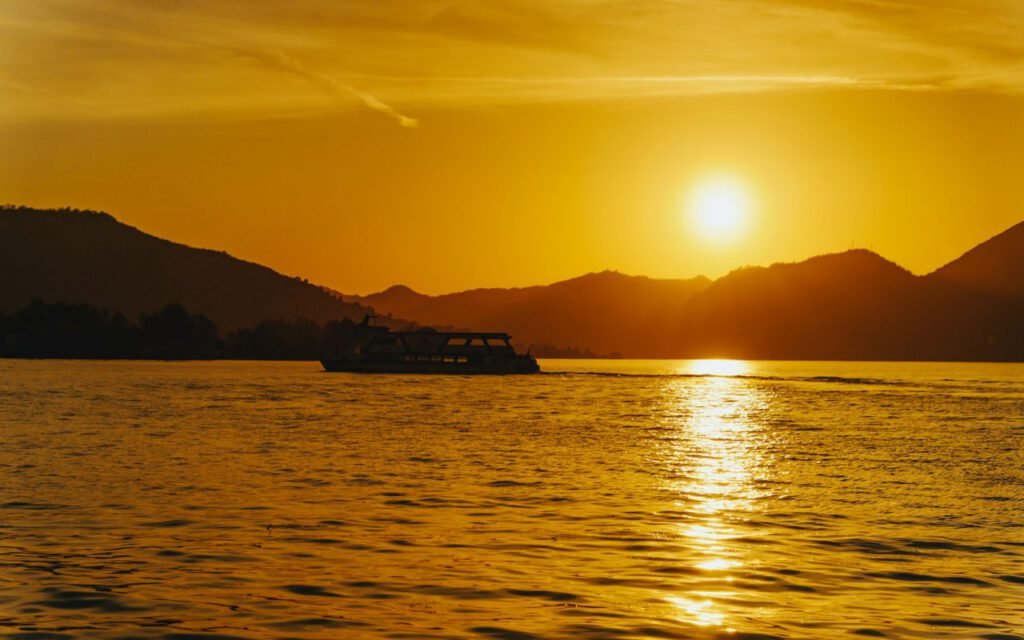

Nora Ellis
Nora is a registered dietitian who writes about food without rules, guilt or powders.



The lake goes silver in November. The summer people are gone and the loons have left too. The docks have been pulled up onto the shore and stacked like giant wooden playing cards. The ice cream stand at the public beach has plywood over its windows and a hand-lettered sign that says “See you in June.” For the eight months of the year when nobody is watching, the lake belongs to the people who stay, and to the light.
I walked the shore with a thermos and wrote three lines I’m keeping. This is a short entry, mostly, about those lines and the afternoon that made them. But it turned into something slightly longer, about why I go back to the lake every November and why I have learned to let some pages stay small.
 Sponsored · Quietdesk Writing AppWrite without distractionsFree for 30 days.Try free
The walk
I go to the lake the same way every year. I wait for a clear day after the first hard frost, when the maples have dropped everything and the oaks are hanging on to their brown leaves out of stubbornness. I fill a thermos with coffee, put a notebook and a pencil in my coat pocket and drive forty minutes north, past the last gas station, to the public access lot at the south end of the water.
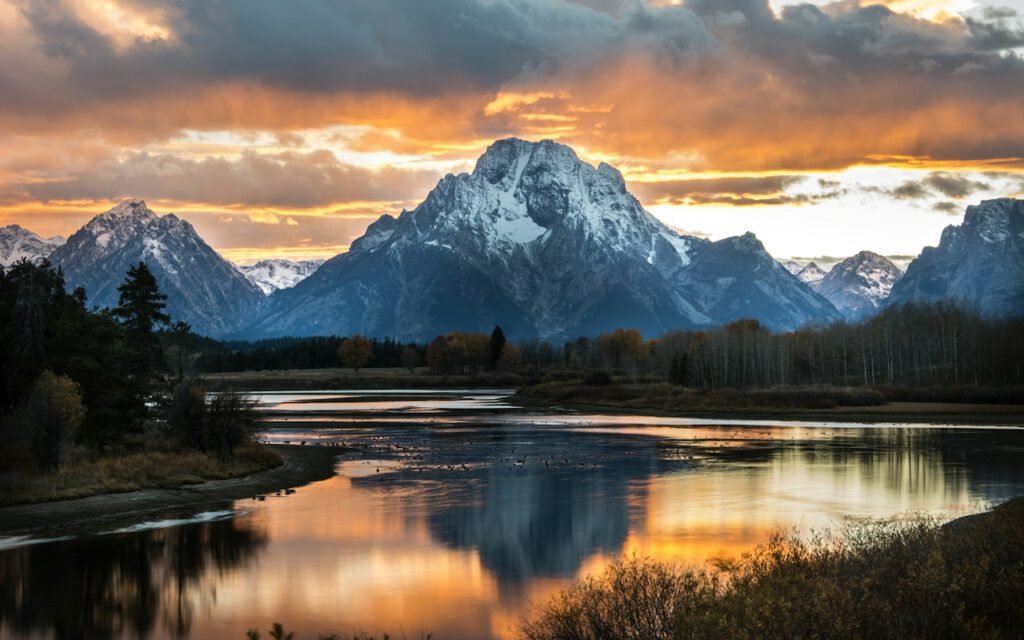
There is a trail that runs along the eastern shore for about three miles, through birch and pine, with a few rocky points where you can step out and look straight across the lake. In July you share it with families, dogs and kids on bikes. In November I sometimes walk the whole length of it without seeing another person.
The air this year was sharp and still, maybe thirty-eight degrees. My breath hung in front of my face. The only sounds were my boots on the frozen leaves, a woodpecker somewhere back in the trees and the faint, glassy lapping of the water against the rocks.
The three lines
Cold water, warm hands. The light comes in sideways. Nothing here is in a hurry.
I wrote them sitting on a flat granite boulder at the second rocky point, with the thermos between my knees. I did not plan them. I just looked for a long time and wrote down the three things I noticed most.
Cold water, warm hands
I knelt down at the edge and put my fingers in the lake, the way I do every year, as a kind of greeting. It was so cold it almost burned. Then I wrapped both hands around the thermos and felt them come back to life. Those two sensations, one right after the other, seemed to sum up the whole season: the world going cold, and the small warm things we carry against it.
The light comes in sideways
In November the sun never gets very high, even at noon. The light comes in low across the water, long and golden, and turns everything it touches the color of honey. The birch trunks glow. The water goes from gray to silver to almost white. Every shadow is twice as long as it should be. It is the most beautiful light of the year, and it lasts only a few hours before the early dusk.
Nothing here is in a hurry
This was the line that surprised me. I had come to the lake straight from a hectic week of deadlines and emails, and I could feel the hurry still humming in my chest. But nothing around me was hurrying. The water moved slowly. The few remaining leaves drifted down one at a time. A single heron stood in the shallows, so still I did not notice it for ten minutes. Gradually, without trying, I slowed down to match.
Not every page has to earn its keep.
Nora
Why short entries matter
Some days the page wants a poem, not a plan. I have spent most of my writing life believing that every page should be useful. A notebook entry should become an essay. An essay should become a book. A walk should produce material. I think a lot of writers carry that pressure, the feeling that we always need to be producing.
But some of my most treasured notebook pages are only three lines long. They are not drafts of anything. They are not leading anywhere. They are simply a record of attention, proof that on a particular afternoon I was fully present somewhere beautiful. When I flip back through old notebooks, those short entries are often the ones that bring a whole day rushing back.
Here is what I have learned about short entries over the years:
- They are easier to write, so you actually write them.
- They force you to choose. Three lines means picking what truly matters.
- They hold more than they say. A few concrete details can carry a whole mood.
- They are gifts to your future self, who will remember far less than you think.
Walking back
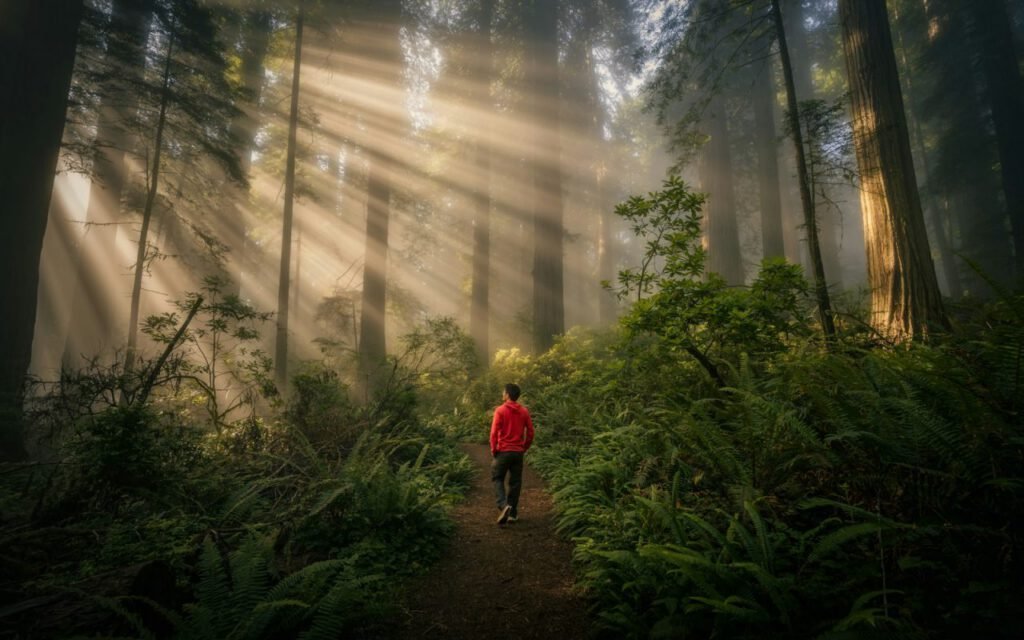
I stayed at the rocky point until the coffee was gone and my toes were numb. On the way back, the light was already fading. Mist was starting to rise from the low ground near the inlet, and the trees on the far shore had turned to dark silhouettes against a pale pink sky. I saw one other person on the whole walk, an older man with a black dog, who nodded and said, “Beautiful day for it.” It was.
Back in the car, with the heat cranked up, I read my three lines again and decided they were finished. No need to expand them into an essay. No need to polish them. They said what the day had to say.
I sat in the parking lot for a few more minutes anyway, watching the last of the light leave the water. A pickup truck pulled in, and a woman in a wool hat got out with a fishing rod, nodded to me and walked down toward the shore. Even now, I think, there are people who come to the lake in November for their own reasons. I liked knowing I was not the only one.
Key takeaway: if you go somewhere beautiful, bring a small notebook and write down just three things you notice. Then let that be enough.
If you want to try it
You do not need a lake. Any place you return to regularly, and especially any place that changes with the seasons, will work. A city park. A stretch of riverbank. The view from a bridge you cross every day. Visit it at the same time each year, or the same week each season, and write three lines every time.
- Go alone, if you can, and leave your phone in your pocket.
- Stand or sit still for at least ten minutes before you write anything.
- Write down three things you notice. One should be something you feel, not just something you see.
- Do not edit them. Close the notebook.
Over the years, those small entries will add up to something remarkable: a portrait of a single place, and of yourself, changing slowly through time.
I will go back to the lake next November, and the one after that. The loons will be gone and the docks will be stacked on the shore. The light will come in sideways. I will put my hand in the water, and pour a cup from the thermos, and write three more lines. Some years, that is all the page needs.
Nora Ellis
Nora is a registered dietitian who writes about food without rules, guilt or powders.



Start the conversation