


Nora Ellis
Nora is a registered dietitian who writes about food without rules, guilt or powders.


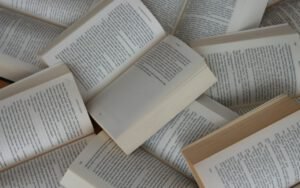
Each season I write down a few questions I don’t want to answer too quickly. I started doing this almost by accident, on a gray afternoon in late September six years ago, when I opened a fresh notebook and could not think of a single thing to write. So instead of writing an answer, I wrote a question. Then another. By the time the light had gone out of the window, I had a short list on the first page, and I left them there unanswered. That page turned into a habit, and the habit turned into one of the quietest and most useful things I do as a writer.
This fall’s list is short, and I’m in no rush. Three questions, written in pencil on the inside cover of the notebook I carry everywhere. I want to share them here, along with a little about why I keep them and how I live with them through the season.
 Sponsored · Quietdesk Writing AppWrite without distractionsFree for 30 days.Try free
Why questions instead of goals
For most of my adult life, the change of seasons meant a new list of goals. Read more, write every morning, finally finish the novel, drink more water. I liked making those lists. I did not like what happened about three weeks later, when I looked at them and felt like I had already failed.
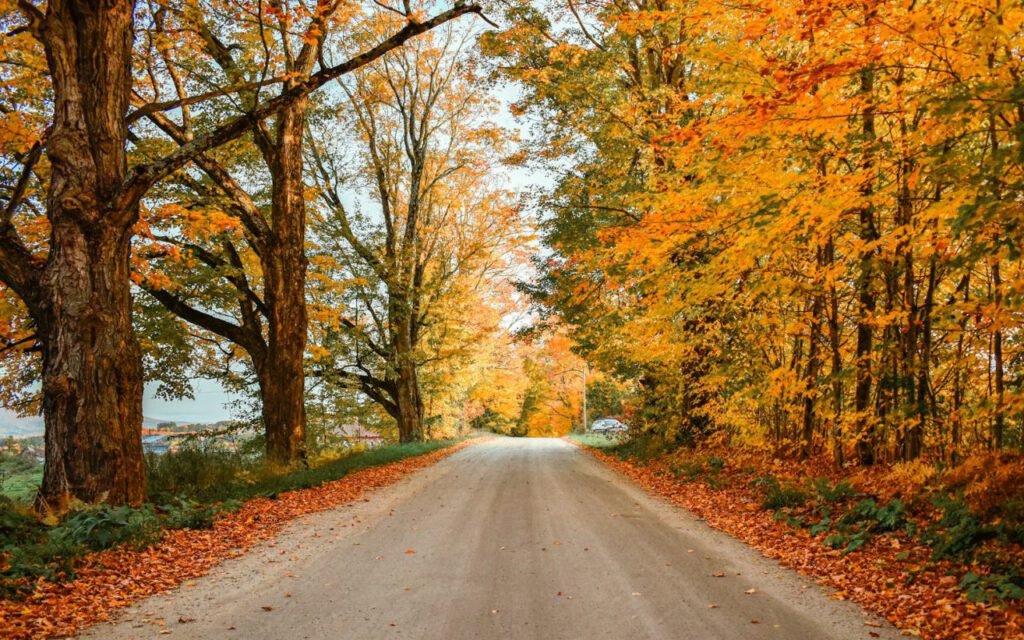
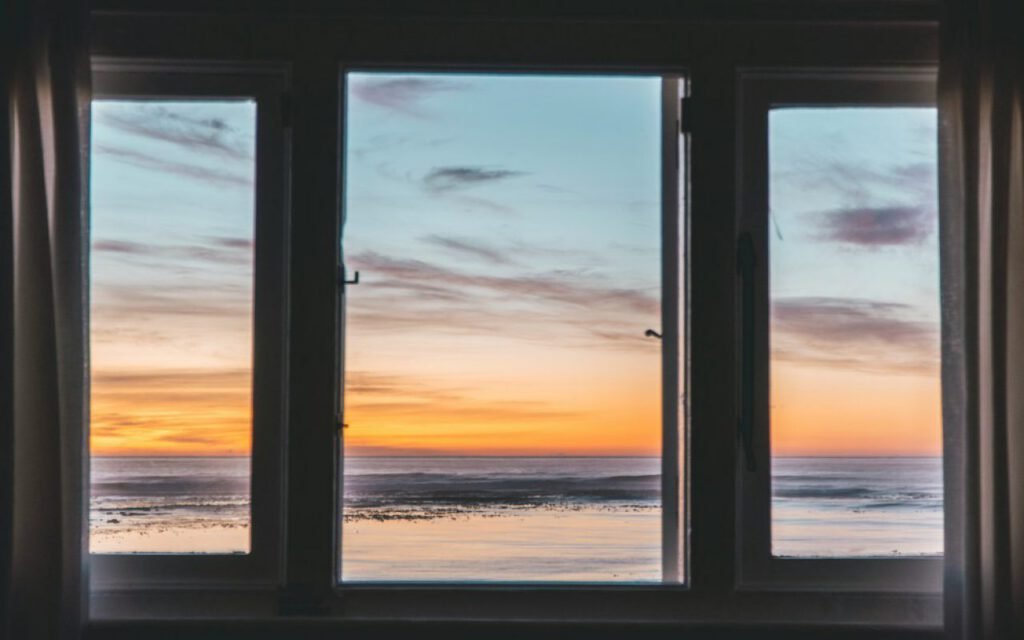
Questions work differently. A goal is a door you either walk through or don’t. A question is more like a window you keep looking out of. It does not demand anything of me on a particular Tuesday. It just sits there, gently tilting the way I notice things. When I am carrying a good question, I start finding pieces of an answer in strange places: a line in a library book, a conversation at the farmers market, the way my neighbor waves from his porch every evening at the same time.
I also think questions are kinder. A goal tells me who I should already be. A question admits that I don’t know yet, and that not knowing is allowed. For a writer, that admission is where almost everything interesting begins.
The list
What would I write if no one read it? Who taught me to love sentences? What do I want my mornings to feel like at seventy? Those are the three for this fall. Here is a little about each one, and why it made the page.
What would I write if no one read it?
This blog has more readers now than I ever expected, and I am grateful for every one of you. But I have noticed that I sometimes write toward an imagined audience, smoothing edges and choosing safer subjects. This question is a way of checking in with the part of me that wrote long before anyone was reading. I suspect her answer involves more poetry, stranger essays and at least one very long piece about my grandmother’s kitchen in Ohio.
Who taught me to love sentences?
I can name the books, but I am less sure about the people. Was it the fifth-grade teacher who read aloud to us after lunch, doing all the voices? My father, who quoted the same three poems at every family dinner? A librarian whose name I never learned? I want to spend this season remembering, and maybe writing a few thank-you letters I should have written years ago.
What do I want my mornings to feel like at seventy?
This is the one I keep returning to. I am not asking what I want to have achieved. I am asking how I want an ordinary morning to feel: the light, the quiet, the first cup of coffee, whether there is a sentence waiting for me on a desk somewhere. It turns out that answering this one, even partly, says a great deal about how I want to spend my mornings now.
Good questions last longer than good answers.
Nora
How I use it
I reread the list every Sunday. Some questions get answered by living, not thinking. That is really the whole method, but a few small habits have grown up around it over the years, and they are what keep the list alive instead of forgotten in a drawer.

- Write the questions by hand. In pencil, on the inside cover. I see them every time I open the notebook, even when I am not looking for them.
- Keep the list short. Three is ideal, five at the very most. More than that and the questions start competing for attention.
- Reread, don’t respond. On Sundays I read the list slowly with my coffee. I don’t force myself to write anything underneath.
- Collect fragments. When something during the week feels like part of an answer, I jot it on the facing page with the date. A quote, a memory, a single word.
- Close the season gently. At the end of each season I read the fragments, write a short paragraph about what I learned, and start a new list.
The fragments are where the surprises live. Last winter one of my questions was “What am I afraid to begin?” I did not write a word under it for weeks. Then, on a snowy afternoon in February, I noticed I had copied the same line from three different novels into the margins: something about beginning before you feel ready. That was the answer. I started the essay collection the next day.
Questions from past seasons
I keep every list, and rereading old ones is one of the more humbling parts of this practice. Some questions now seem tiny. Some still make my stomach drop a little. A few have been answered so completely that I barely remember not knowing.
Last spring I asked, “Which friendships do I want to tend?” The answer arrived over the summer, mostly in the form of long porch conversations and one weekend road trip to the Blue Ridge Mountains. A year before that, I asked, “What would I stop doing if I trusted myself?” I am still answering that one. I suspect I will be for a while.
Key takeaway: A short list of open questions, reread once a week, can shape a season more gently and more honestly than a list of goals.
Unanswered, on purpose
I will probably not answer this fall’s questions by December, and I have made peace with that. The point was never to solve them. The point is to carry them, the way you carry a smooth stone in your coat pocket and reach for it without thinking. They change how I walk through the season. They make me pay attention.
If you would like to try this, you do not need a special notebook or a particular season. Find a quiet half hour. Write down two or three questions you don’t want to rush. Put them somewhere you will see them often, and then go on living your ordinary life. Reread them on Sunday. Notice what you notice.
And if you feel like sharing, I would love to hear what is on your list this fall. Reply to the newsletter or leave a note on the Now page. I read every one, slowly, with coffee, in no particular hurry at all.
Nora Ellis
Nora is a registered dietitian who writes about food without rules, guilt or powders.


2 Comments
Sharing this with my friends.
Saved this one for later. Really useful.