



 How-toHow to Back Up Your Photos Before Your Phone DiesA simple, two-copy system that takes 20 minutes to set up and protects 10 years of…
Culture Olivia Reed6 min read
Making a Short Film on Your Phone
A weekend project with friends and zero budget.
Olivia Reed6 min read

Written by
Olivia Reed
Olivia covers machine learning, robotics and the ethics of automation.
7Articles
2026Writing since
Many festivals now accept phone-shot short films. All you need is a story and a free weekend. That is not hype. The camera in your pocket today can record sharper, steadier video than many professional cameras of a couple of decades ago, and free editing apps can do things that once required a full post-production studio. What separates a short film people want to watch from a clip nobody finishes is not gear. It is planning, a few simple techniques and a willingness to keep things small. This guide walks you through a weekend project you can tackle with a couple of friends and almost no budget.
We talked to filmmakers, crew members and a few first-timers who have taken phone-shot shorts to local festivals. Their advice was remarkably consistent, and most of it boils down to the same three ideas: keep it small, care about sound and plan before you shoot.
Keep it small
One location, two characters, under five minutes. This is the single most important rule for a first short film. Ambition is wonderful, but a story with a car chase, six characters and three cities will collapse under its own weight long before the weekend is over. Small stories, on the other hand, are easier to shoot, easier to edit and often more powerful.
Think about the films that stay with you. Many of the best short films are built around one moment: a conversation at a kitchen table, an awkward first meeting at a bus stop, two siblings cleaning out a parent’s garage. Limiting yourself to one place and two people forces you to focus on what really matters, which is character and emotion.
Small also means practical. Shoot somewhere you can control, like your own apartment, a friend’s backyard or a quiet corner of a park early in the morning. Avoid busy restaurants or stores unless you have clear permission from the owner. Cast friends who are reliable and patient, because even a short film can mean saying the same line fifteen times.
A few prompts to get you started:
- Two strangers stuck in an elevator, one with a secret.
- A grandparent teaching a grandchild a recipe, and getting it wrong.
- Two roommates arguing over who ate the last slice of cake.
- A late-night phone call between old friends who have not spoken in years.

Plan before you press record
Write a one-page script. For a short of three to five minutes, a single page of dialogue and action is usually plenty. Read it out loud with your actors before shooting anything. You will quickly hear which lines sound natural and which ones need cutting.
Next, make a simple shot list. You do not need storyboards or fancy software. Just write down, in order, every shot you want: a wide shot of the kitchen, a close-up of the cake, a reaction from each character. This list keeps your shoot day organized and helps you notice anything you forgot before your actors go home.
Your weekend plan
- Friday evening: Finish the script, read it aloud and make your shot list.
- Saturday morning: Set up, test sound and light, and shoot the wide shots first.
- Saturday afternoon: Shoot close-ups and reactions, and grab extra footage of details.
- Sunday: Edit, add simple titles and music, and watch it together.
Good sound and a good story will carry a lot of shaky camera work.
Marcus Lee, film crew veteran
Sound matters most
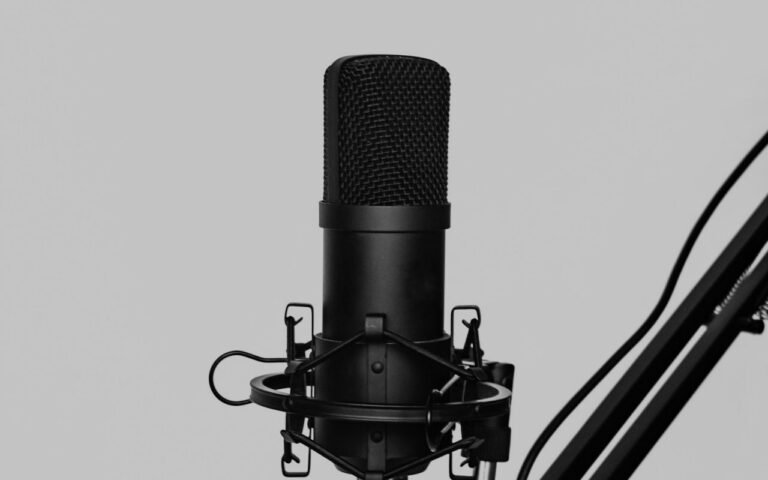
A cheap clip-on microphone beats a fancy camera. Marcus Lee, who has spent more than twenty years on film crews, says this is the most common mistake beginners make. Audiences will forgive a slightly blurry image or a wobbly camera. They will not forgive dialogue they cannot hear. Muffled voices, echoing rooms and background traffic can ruin a film faster than anything else.
The microphone built into your phone is designed to pick up sound from all around, which is great for phone calls and terrible for film dialogue. A small clip-on lavalier microphone, available for around $20 to $40, plugs into your phone and sits just below an actor’s collar. The difference in quality is enormous.
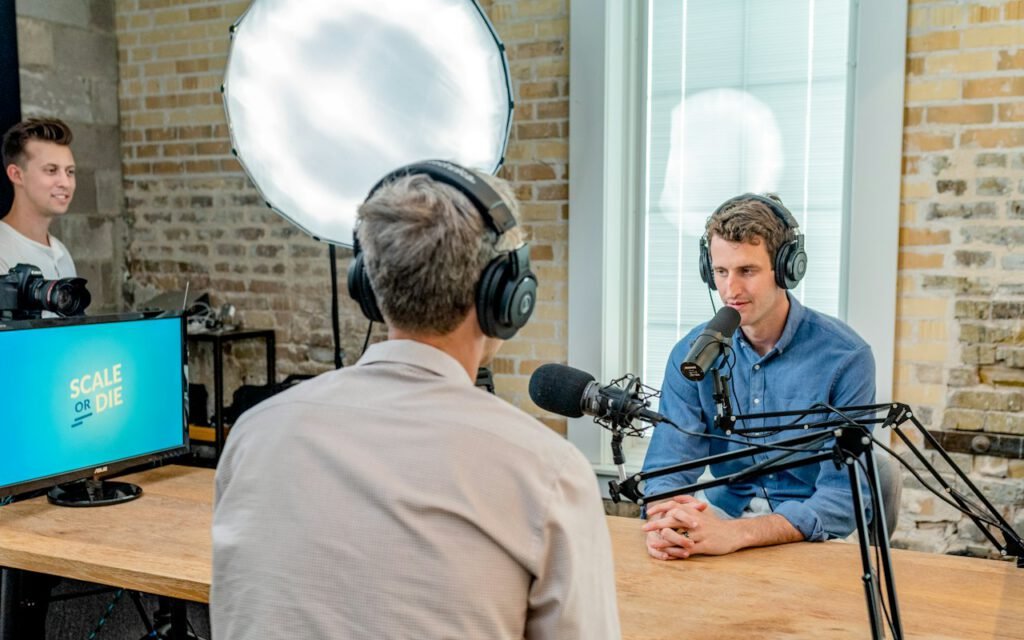
A few more sound tips that cost nothing:
- Turn off fans, refrigerators and air conditioners while you record, and remember to turn them back on.
- Rooms with rugs, curtains and soft furniture echo less than bare kitchens and hallways.
- Record 30 seconds of silence in each location. Editors call this room tone, and it helps smooth over cuts.
- Wear headphones while you record, so you hear exactly what the microphone hears.
Light and camera basics
Shoot near a window for light. Daylight is free, soft and flattering. Place your actors so the window is beside them or slightly in front of them, not behind them, or they will turn into dark silhouettes. Overcast days give beautifully even light. If you shoot at night, use lamps around the room rather than the harsh overhead light.
For the camera itself, a few simple settings make a big difference. Shoot horizontally unless you are making something specifically for vertical screens. Clean the lens with a soft cloth before every scene. Lock focus and exposure by pressing and holding on the screen, so the image does not shift when someone walks through the frame. And if you can, steady the phone with a small tripod or lean it against a stack of books. Handheld shots are fine, but brace your elbows against your body to keep them calm.
Finally, shoot more than you think you need. Grab extra takes of every line, plus close-ups of hands, objects and faces listening. These short shots, sometimes called cutaways, are lifesavers in the edit when you need to hide a mistake or tighten a scene.
Edit, then share
Edit on a free app. Most phones come with a basic editor, and several free apps offer more control. Start by laying out your best takes in order, then trim ruthlessly. Most first cuts are too long. If a moment does not move the story forward or reveal something about a character, cut it. Your five-minute film may become a stronger three-minute film.
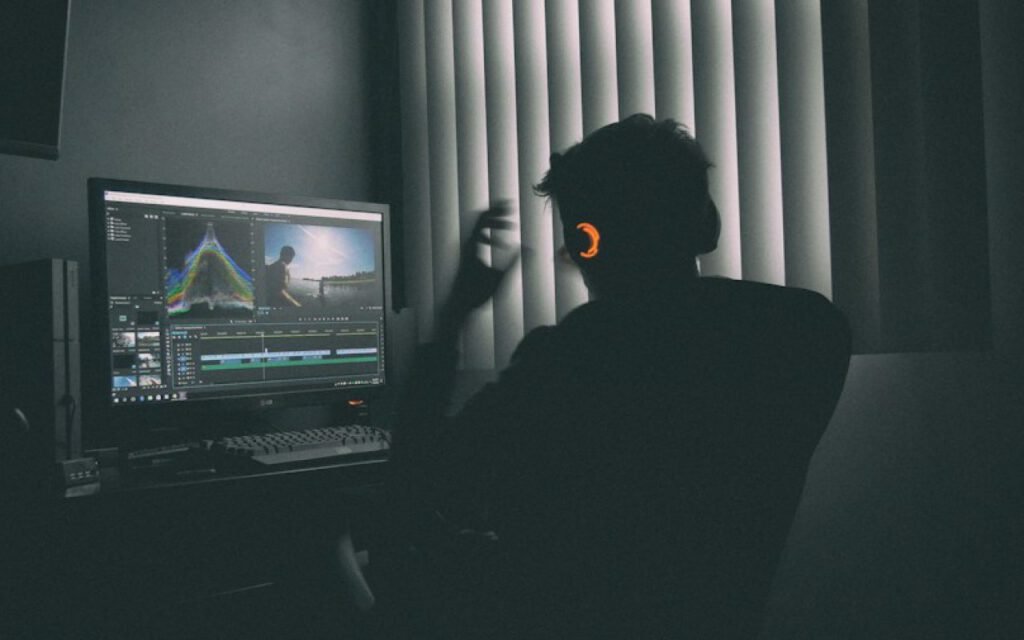
Add music carefully. Choose tracks that you have permission to use, such as music from free libraries that clearly allow it, or ask a musician friend to compose something. Keep music quieter than dialogue. Add a simple title card and credits listing everyone who helped.
When you are done, watch it together with your cast and crew. Then look for local film festivals, library screenings or online showcases that accept short films. Many festivals have categories for first-time filmmakers or phone-shot work, and entry fees for small festivals are often modest. Read every festival’s rules carefully before submitting.
Key takeaway: Keep the story small, invest in a cheap microphone, shoot near a window and cut your film shorter than feels comfortable.
Your plan
- Write a one-page script
- Shoot near a window for light
- Edit on a free app
That is really all it takes to begin. Gather a couple of friends, pick a single location and give yourselves one weekend. Your first film will not be perfect, and it should not be. It will teach you more about storytelling than any book or video tutorial. And who knows? A few years from now, you may be the one in the credits that everyone stays to read.
Written by
Olivia Reed
Olivia covers machine learning, robotics and the ethics of automation.
7Articles
2026Writing since
Read next
How-toHow to Back Up Your Photos Before Your Phone DiesA simple, two-copy system that takes 20 minutes to set up and protects 10 years of… CultureSummer Concert Series Announces Its Biggest Lineup YetTwenty free shows by the river, from jazz to bluegrass to a full orchestra on the…
 How-toHow to Make a Small Apartment Feel Twice as BigMirrors, legs on furniture and one rug instead of three: designers share the tricks that actually…
 CultureGaming Café Becomes the Neighborhood’s Favorite After-School HangoutHomework first, then games: how one owner turned a vacant storefront into a safe place for…
 Health TechThe Five-Minute Morning Routine Doctors Actually RecommendWater, light, a short walk and two other habits that make a measurable difference by noon.
 CulturePodcast Studios Are the New Coworking SpacesRent a soundproof room by the hour: inside the boom in shared studios for creators and…
 How-toMechanical Keyboards Explained: Switches, Sizes and What Actually MattersLinear or tactile? Full-size or 75%? A plain-English guide before you buy.
 How-toProtect Your Gaming Accounts: A Five-Minute Security CheckupTwo-factor login, unique passwords and how to spot a fake giveaway.
 How-toHow to Start Streaming Games: The Gear and Settings You NeedA camera, a decent mic and a plan — streaming advice from people who do it…
Start the conversation