



 ScienceUniversity Telescope Spots a Comet That Will Be Visible This WinterAstronomers say it may be bright enough to see without binoculars by mid-January.
Science Olivia Reed6 min read
Commercial Rocket Launch Lights Up the Coast at Dawn
Thousands gathered on the beach for the first launch from the new coastal pad.
Olivia Reed6 min read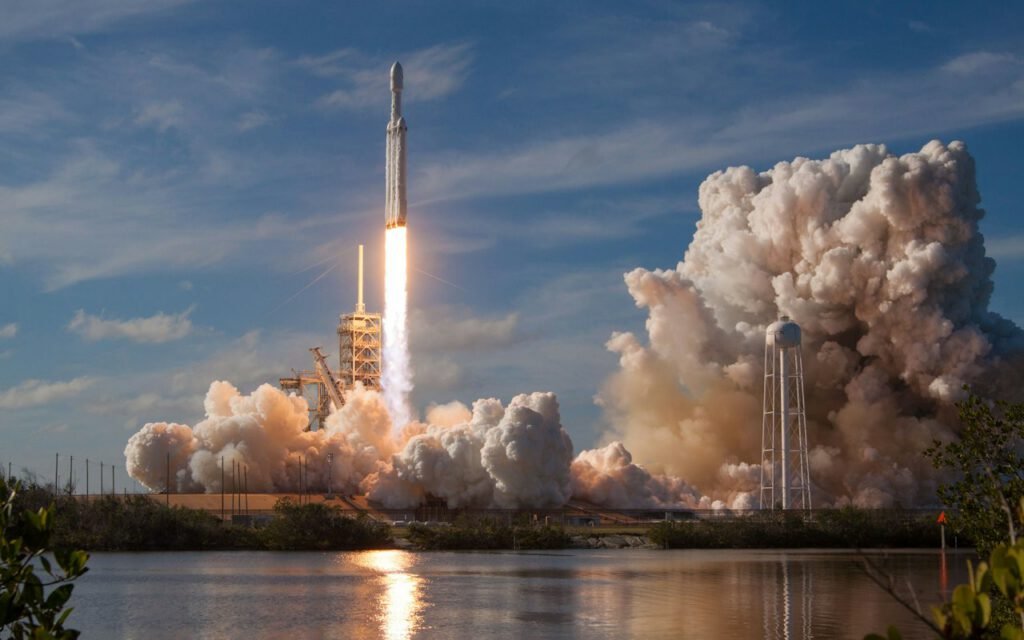

Written by
Olivia Reed
Olivia covers machine learning, robotics and the ethics of automation.
7Articles
2026Writing since
At 6:14 a.m. Saturday, a few minutes before the sun cleared the horizon, a commercial rocket lifted off from the new launch pad on the coast and turned the sky over the beach a deep, glowing orange. On board were 24 small weather satellites, each about the size of a microwave oven, bound for an orbit roughly 340 miles above Earth. For the thousands of people standing in the sand, it was the first launch they had ever seen in person. For the coast itself, it was the start of something new.
The flight was the first from the pad since construction wrapped up in the spring, and the operator, Meridian Orbital, called it a clean mission from start to finish. The first stage burned for about two and a half minutes before separating and falling into the ocean well offshore. The upper stage fired twice more, and the company confirmed shortly after 7:30 a.m. that all 24 satellites had been released on schedule and were sending signals back to the ground.
A beach that filled up overnight
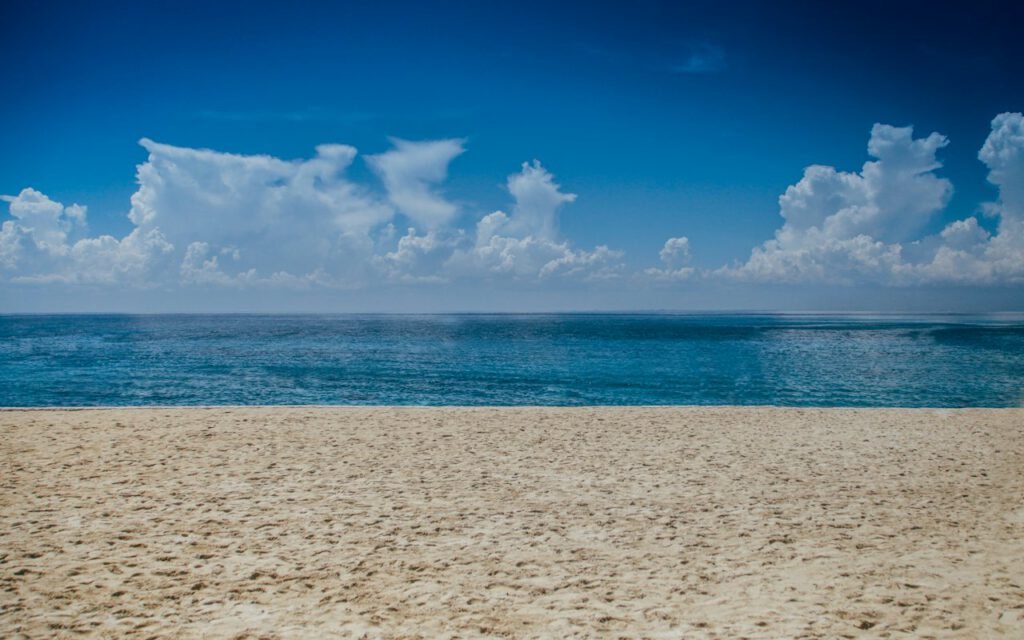
Spectators began arriving on the beach before 3 a.m. By 4 o’clock, the public parking lots near the pier were full, and families were spreading blankets on the dunes in the dark. Some brought folding chairs and thermoses of coffee. Others slept in the backs of pickup trucks with alarms set for 5:30. A food truck that normally opens at lunchtime was selling breakfast burritos by headlamp.
Local deputies estimated the crowd at well over 10,000 people along a two-mile stretch of shoreline, though no official count was taken. Many had driven in from out of state after the launch window was announced three weeks ago.
When the countdown reached zero, the sound arrived several seconds after the light. People who had been chatting and checking their phones went quiet, then broke into cheers as the rocket climbed and arced out over the water. The exhaust plume caught the first rays of sunlight high above the still-dark beach, leaving a bright, twisting trail that hung in the sky for nearly 20 minutes.
My grandkids will remember this one forever. So will I.
Walter Simmons, retired engineer
Simmons, who spent 31 years designing aircraft parts before retiring to the coast, brought three of his grandchildren, ages 7, 10 and 13. He said he had followed launches on television since he was a boy but had never felt one. “You hear it in your chest,” he said. “No screen does that.”
What the satellites will do
The 24 satellites belong to a weather-data company, Clearpath Atmospherics, which plans to sell the information to forecasters, farmers and shipping firms. Each spacecraft carries a small radio instrument that measures how signals bend as they pass through the atmosphere. Those measurements can be turned into readings of temperature and humidity at different heights, which feed computer forecast models.
Company representatives said the new constellation should help with the kinds of forecasts that matter most to coastal communities: where a storm will make landfall, how much rain a front will bring and when fog will lift over the harbor. The satellites are expected to spend about a month moving into their final positions before they begin delivering regular data.
Small satellites, big numbers
Launching two dozen spacecraft on a single rocket is now routine for the industry, but it still requires careful planning. Each satellite is released at a slightly different moment so they spread out along the orbit like beads on a string. Engineers on the ground spent much of Saturday morning confirming that every one had unfolded its solar panels and checked in.
Gridlock on the way home
The excitement on the beach gave way to frustration on the roads. Traffic backed up for miles on the coastal highway afterward, with some drivers reporting that a trip that normally takes 20 minutes took more than two hours. The county had added extra deputies at key intersections and opened an overflow lot at the fairgrounds, but officials acknowledged that the crowd was larger than they had planned for.

Emergency services reported a handful of minor fender benders and a few calls for people who felt faint after standing in the sun for hours, but no serious injuries. Beach crews spent the afternoon collecting trash, and several volunteer groups organized a cleanup that drew about 80 people by noon.
County officials said they would review the day’s traffic plan before the next launch. Ideas under discussion include:
- Shuttle buses from inland park-and-ride lots to the beach
- Staggered reopening of closed roads to spread out departures
- A dedicated viewing area with portable restrooms and water stations
- Earlier public notice of road closures through the county’s text alert system
More launches coming
The operator plans up to 12 launches next year, which would make the coastal pad one of the busier commercial sites in the country. Meridian Orbital has said future missions will carry a mix of communications, weather and Earth-imaging satellites for private customers and research groups. Some launches are expected to take place at night, which could make for an even more dramatic show and, officials hope, smaller daytime crowds.
Local hotels reported full bookings for the weekend, and several restaurant owners said Saturday was their busiest morning of the year. The regional tourism office has already started marketing the area as a place to watch launches, and at least two charter boat operators are planning offshore viewing trips for the next mission.

Not everyone is thrilled. A group of residents who live closest to the pad has raised concerns about noise, road closures and the effect of repeated launches on nesting shorebirds. Meridian Orbital said it is working with state wildlife officials to schedule launches around the most sensitive weeks of the nesting season and will publish noise measurements after each flight.
We want people to love having a launch site as a neighbor, not just tolerate it. That means listening when they tell us something isn’t working.
Dana Whitfield, community liaison, Meridian Orbital
How to watch the next one
The next launch from the coastal pad has not been scheduled, but the company expects to announce a window about three weeks in advance, as it did this time. For anyone planning to attend, veterans of Saturday’s crowd had some practical advice.
- Arrive very early, or plan to watch from farther up the coast where crowds are thinner.
- Bring layers. The beach was chilly before dawn and warm by 9 a.m.
- Pack water, snacks and a trash bag so you can carry out what you bring in.
- Expect delays. Launch times can slip because of weather or technical checks.
- Plan to linger after liftoff instead of rushing to your car with everyone else.
Key takeaway: Saturday’s launch was a technical success and a huge local event, and both the company and the county say they are already planning for bigger crowds next time.
A new kind of sunrise
By midmorning, the beach looked almost normal again. Surfers were back in the water, and a few families lingered over picnic breakfasts. But many people said the morning had changed how they thought about the stretch of coast they had visited for years. A place known for fishing piers and saltwater taffy is now also a place where rockets leave for orbit.
For Walter Simmons and his grandchildren, the day ended with a long drive home and a lot of questions in the back seat. How fast was it going? Where are the satellites now? When is the next one? Simmons said he did not have every answer, but he promised to find out. And he has already put the next launch window on the family calendar.
Written by
Olivia Reed
Olivia covers machine learning, robotics and the ethics of automation.
7Articles
2026Writing since
Read next
ScienceUniversity Telescope Spots a Comet That Will Be Visible This WinterAstronomers say it may be bright enough to see without binoculars by mid-January. ScienceWildfire Season Is Starting Earlier. Here’s How the County Is PreparingNew evacuation zones, cameras on ridgelines and a text-alert system go live this month.
 AI & RobotsRobots Are Running Experiments in Self-Driving LabsMachines that mix, measure and decide what to try next.
 ScienceQuantum Computers, Without the HeadacheQubits, superposition and why they won’t replace your laptop.
 ScienceWhy Rockets Launch Toward the EastEarth’s spin gives every launch a free boost.
Start the conversation