Installing a Home EV Charger: What It Takes
Level 2 charging in a day.
 Aisha Grant6 min read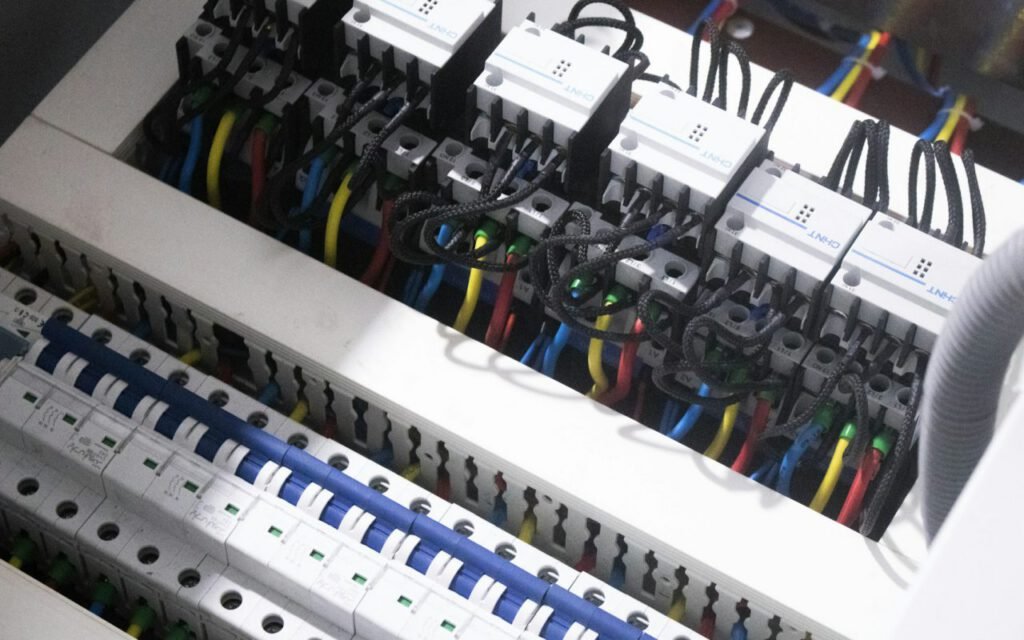

Aisha Grant
Aisha leads the Voltwise lighting studio.
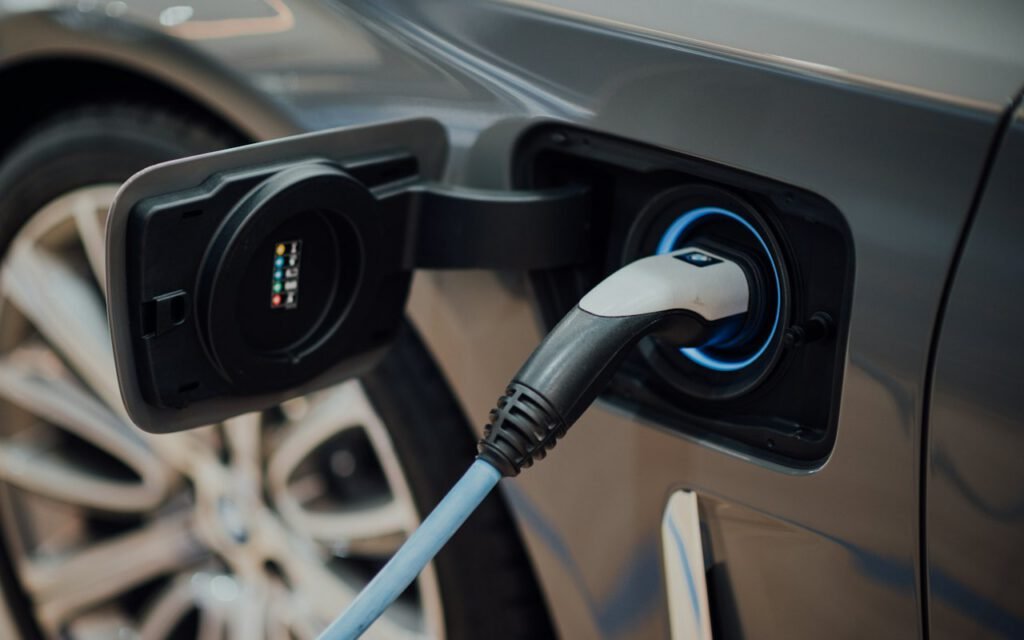
A Level 2 charger fills most cars overnight. If you have been charging your new EV from a standard wall outlet, you already know how slow that can be: a few miles of range per hour, which is fine for a short commute but frustrating after a weekend trip to Austin. A Level 2 charger runs on 240 volts, the same kind of power that runs a clothes dryer, and it can add many times more range per hour. For most Dallas drivers, it means plugging in after dinner and waking up to a full battery.
Here is what the install involves, from the first conversation to the moment you plug in. We have installed chargers in garages, carports and driveways across the Metroplex, and while every home is different, the process follows the same clear steps.
Level 1 vs. Level 2
Before we dig into the install, a quick refresher. Level 1 charging uses a regular 120-volt outlet and the cord that often comes with the car. It needs no installation, but it is slow. Level 2 charging uses a dedicated 240-volt circuit and a wall-mounted charger or a properly installed outlet for a portable unit. It is the sweet spot for home charging, and it is what most EV owners eventually choose.
How fast your car actually charges depends on the car’s onboard charger, the charger you install and the circuit that feeds it. A higher-amp circuit can deliver more power, but only if your car can accept it. Part of our job is matching the charger and the circuit to your car and your driving, so you are not paying for capacity you will never use.
Check the panel
Most chargers need a 40- to 60-amp circuit. We check your load first. This is the single most important step, and it is the one people most often skip when they try to plan an install on their own.
A load calculation looks at everything your home uses: air conditioning, water heater, range, dryer, pool pump and any other large appliances. It tells us how much spare capacity your electrical service has. If there is room, we add a new dedicated breaker for the charger. If the panel is full or the service is too small, there are a few paths forward:
- A smaller circuit and charger setting that still covers your daily driving.
- A load management device that pauses charging when other big appliances run.
- A subpanel, if the main service has capacity but the panel has no open slots.
- A full panel or service upgrade, if the home simply needs more power.
Many of our customers find that a 40-amp circuit is plenty. It can add a lot of range overnight, which covers the typical daily commute with room to spare. We talk through your driving habits before recommending anything bigger.
Choosing a spot and a charger
Where you mount the charger matters more than most people expect. We look at where you park, which side of the car the charging port is on, how long the cable is and how far the location is from the panel. A shorter wire run usually means a lower cost. A charger mounted in the wrong spot means stretching a cable across the garage every night.
Questions we ask on the first visit
- Which car or cars will you charge, now and in the next few years?
- How many miles do you drive on a typical day?
- Where do you park, and will the charger be indoors or outdoors?
- Do you want a hardwired charger or a 240-volt outlet for a plug-in unit?
- Are you planning other big projects like solar, a pool or a remodel?
Outdoor chargers need a unit rated for outdoor use and proper weatherproof wiring. Hardwired chargers are often our recommendation because they avoid wear on an outlet that gets plugged and unplugged, but a properly installed, code-compliant outlet can work well for some setups. We always follow the charger maker’s installation instructions along with local code.
Most installs take four to six hours.
Derek
Installation day
Derek, our lead EV installer, likes to say that a good install day is a boring one. Here is what usually happens. We arrive, protect the floors and walk through the plan with you. We shut off power to the panel, install the new breaker and run the wire to the charger location, often through the attic, along the garage wall in conduit or underground to a driveway pedestal. Then we mount the charger, make the connections, label the breaker and restore power.
Before we leave, we test the charger with your car, show you how the app or settings work if your charger has them and explain how to reset the breaker if you ever need to. If the job involves a panel upgrade, the timeline is longer, and we will walk you through that schedule separately.

Permit and inspection
We pull the permit and book the inspection so you don’t have to. In Dallas and most surrounding cities, a new 240-volt circuit for an EV charger requires a permit. That is a good thing. The inspection is an independent check that the circuit is sized correctly, the wire and breaker match, the connections are tight and everything meets current code.
Some homeowners ask whether they can skip the permit to save time. We do not recommend it, and we do not do it. Unpermitted electrical work can cause problems with insurance claims and home sales, and more importantly, it skips a safety check on a circuit that will carry heavy current for hours every night.
It is also worth checking with your utility. Some utilities offer special EV rates, rebates or charger programs, and some ask to be notified when a charger is added. Federal or state incentives may also apply from time to time. We are happy to point you in the right direction, though the details are always set by the program, not by us.
Key takeaway: a safe, reliable home charger starts with a load calculation, a properly sized circuit and a permitted, inspected install.
Charging smarter at home
Once your charger is running, a few habits make it even better. Schedule charging for overnight hours, when demand on the grid is lower and some utility plans offer lower rates. Most cars and many chargers let you set a schedule in an app. For daily driving, many automakers suggest charging to a level below 100 percent to help battery health, and topping up fully only before a long trip. Your owner’s manual is the best guide here.
If you add a second EV later, ask about a charger that can share power between two cars, so you do not need a second large circuit.
Keep the cable coiled on its holder, away from where it can be driven over, and check it now and then for cuts or damage. If the charger ever trips its breaker repeatedly, stop using it and call us.
Thinking about an EV charger for your home? Our team at Voltwise Electric can visit, check your panel and give you a clear plan and price. In most cases, you will be charging at home within a day of approval.
Aisha Grant
Aisha leads the Voltwise lighting studio.



Start the conversation