 Pip Moreno6 min read
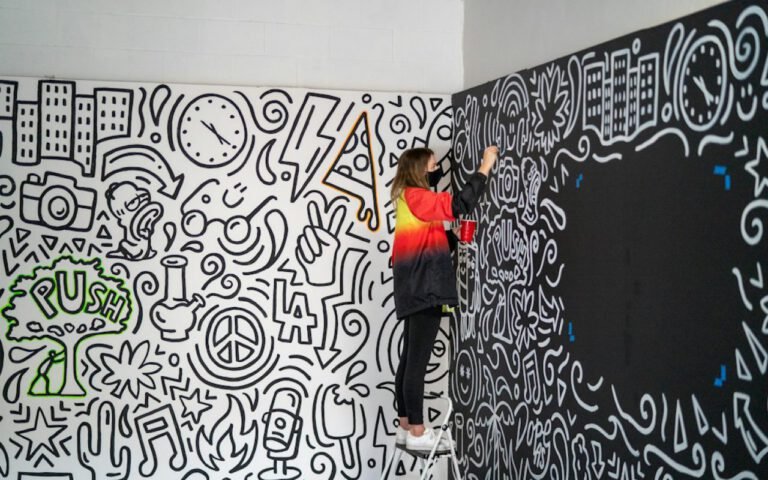
Pricing was the hardest part of going freelance. Here’s the simple system I use now. When I left my studio job and started working for myself, I could draw a picture book, paint a mural and design a cereal box, but I could not answer the simplest question a client ever asked: “How much?” I would mumble, guess low, and then spend weeks resenting a project I had underpriced. It took a few painful years and a lot of conversations with other illustrators before I found a way of pricing that felt fair to both sides.
It’s not secret. Every illustrator should talk about money more openly. The more we share, the less often newer artists get underpaid, and the more clients understand what goes into the work. So here is exactly how I think about it. This is my personal approach, not financial or legal advice, and every artist’s situation is different.
Time plus usage
I price the hours, then add for how widely the art will be used. Those two pieces, time and usage, are the foundation of almost every quote I send. Once I separated them in my head, pricing stopped feeling like a guess.
Part one: time
First, I estimate how long the job will take. Not just the drawing, but everything: reading the brief, research, sketches, revisions, emails, calls, final files and the small fixes that always come at the end. Early on, I only counted drawing hours, which is why I was always underpaid. Now I track every project in a simple spreadsheet, so my estimates get more accurate each year.
Then I multiply those hours by my day rate. To figure out a day rate, I worked backward from what I need to earn in a year, including the things an employer used to cover: health insurance, retirement savings, taxes, software, supplies, equipment and the unpaid days spent on marketing and admin. Freelancers do not bill forty hours a week. Some weeks I bill twenty-five, and the rate has to cover the rest.

Part two: usage
Usage means how, where and for how long the client will use the art. A spot illustration in a small local newsletter is very different from the same drawing on a national ad campaign, even if both took me the same two days to make. The wider the use, the more value the art creates for the client, and the higher the usage fee.
When I quote, I ask questions like these:
- Where will the art appear: print, web, packaging, ads, merchandise?
- Is it for one region, the whole country or worldwide?
- How long will it be used: one season, one year, forever?
- Will the client need to change or adapt the art later?
- Do they need exclusive rights, or can I show it in my portfolio and shop?
A small business using one illustration on its website for a year pays a modest usage fee. A big brand putting the same image on packaging across the country for five years pays much more. This is normal in the illustration world, and most experienced art directors expect it.
Three sample quotes
To make this concrete, here are three kinds of projects I take on, with rough ranges. These are examples from my own practice, not industry standards, and your numbers may be very different depending on your experience and the market you work in.
- A spot illustration for a small magazine: half a day of work, limited print and web use for one issue. A modest flat fee.
- A set of illustrations for a local coffee shop menu: about four days of work, local print and web use for two years. A moderate fee, plus a reprint fee if they expand to a second location.
- Packaging art for a national snack brand: about two weeks of work, national packaging and ads for three years. A day-rate total plus a significant usage fee, often more than the time portion.
Notice how the usage portion grows faster than the time portion. That is the system working the way it should.
Your work has value. Say the number out loud.
Pip
I practiced that sentence in the car before calls for most of my first year. Saying a number confidently, and then staying quiet, is a skill. The urge to fill the silence with “but I could go lower” is strong. Do not give in. Let the client respond.
Always a contract
Even for friends. Especially for friends. A contract is not a sign of distrust. It is a shared, written understanding of what each person expects, and it protects friendships as much as business relationships. Some of the most uncomfortable situations I have heard about from other illustrators started with “it was just a favor for a friend.”
My contracts are short and in plain language. Here is what every one includes:
- A clear description of the work and the number of illustrations
- The number of revision rounds included, and the cost of extra rounds
- Usage rights: where, how long and whether they are exclusive
- The fee, the deposit and the payment schedule
- A kill fee if the project is canceled partway through
- Deadlines for both sides, including when the client will send feedback
- My right to show the work in my portfolio, unless we agree otherwise

I had a lawyer review my basic contract template once, and it was one of the best investments I have made in my business. If you are just starting out, many arts organizations and freelancer groups offer sample contracts and low-cost legal help. It is worth asking a professional to look over yours, because the rules can vary by state.
Deposits
I ask for a fifty percent deposit before I start on most projects, and the rest on delivery of final files. For long projects like picture books, payments are split across milestones. A deposit shows the client is committed and means I am not waiting months to be paid for work already done.
When a client says it is too much
It happens, and it is fine. I never simply cut my price. Instead, I adjust the scope. Maybe the client can use fewer illustrations, accept a simpler style, take a shorter usage period or limit the use to their website. That way the price comes down because the work or the rights came down, not because my time suddenly became less valuable.
And sometimes, the honest answer is that we are not a match. That is okay. Saying a polite no to a project that does not fit leaves room for one that does.

Key takeaway: price your time, then add for usage. Put everything in a contract, take a deposit and adjust scope instead of cutting your rate.
Talk about money
The single most helpful thing in my pricing journey was talking openly with other illustrators. We compared rates, shared contract language and warned each other about clients who paid late. That honesty made all of us better at business and less anxious about it.
So if you are an illustrator reading this, find two or three peers and talk about money. If you are a client, know that a clear quote with a usage fee is a sign of a professional, not a red flag. And if you have a project in mind, I would be happy to send you a quote. I promise to say the number out loud.
Pip Moreno
Pip draws picture books, murals and happy little packages.



Pip Moreno
Pip draws picture books, murals and happy little packages.



Start the conversation