Houseplants That Survive Busy People
Eight plants that forgive a missed watering — and the one rule that keeps them all alive.
 Rose Ellison6 min read

Rose Ellison
Rose founded Slow Sunday in 2016 as a printed zine for her neighbors. She still edits every issue from a desk by the window.



If every plant you buy dies within a month, you are probably loving it too much. Overwatering kills far more houseplants than neglect. Roots need air as much as they need water, and a pot that stays soggy day after day slowly suffocates them. The leaves yellow, the stems go soft, and the well-meaning owner, seeing a plant in distress, reaches for the watering can again. It is a cycle that has convinced millions of perfectly capable people that they simply cannot keep anything green alive.
The good news is that a handful of houseplants are almost impossible to kill, and one simple habit keeps nearly all of them happy. We visited Sam Okafor, who runs a small plant shop in a converted storefront in Minneapolis, Minnesota, to find out which plants he recommends to busy customers, and what he tells them to do once they get home. His advice is reassuringly short.
 Sponsored · Hearthside CandlesHand-poured in VermontTwelve new fall scents, out now.Shop candles
The forgiving eight
Snake plant, pothos, ZZ plant, cast-iron plant, spider plant, rubber plant, ponytail palm and peace lily. All of them handle low light and a forgotten week. Several of them store water in thick leaves, stems or roots, which means they can go a surprisingly long time between drinks. Here is a closer look at each one:
- Snake plant: stiff, upright leaves that thrive on neglect and only need water every few weeks.
- Pothos: a trailing vine that grows quickly and droops dramatically when thirsty, then perks up within hours.
- ZZ plant: glossy leaves and potato-like roots that store water for a month or more.
- Cast-iron plant: named for its toughness, it tolerates dim hallways and cool rooms.
- Spider plant: fast-growing and cheerful, it sends out baby plants you can root and share.
- Rubber plant: large, leathery leaves that make a strong statement in a bright room.
- Ponytail palm: not a true palm at all, it stores water in its swollen trunk.
- Peace lily: wilts visibly when it needs water, which makes it an honest teacher.
A note for pet owners: several of these plants, including pothos, peace lily and ZZ plant, can upset a cat’s or dog’s stomach if chewed. Spider plants and ponytail palms are generally considered safer choices, but if you have pets, check with your veterinarian before bringing new plants home.
Why plants really die
People think they have a black thumb. Usually they just have a plant in a dark corner.
Sam Okafor, plant shop owner
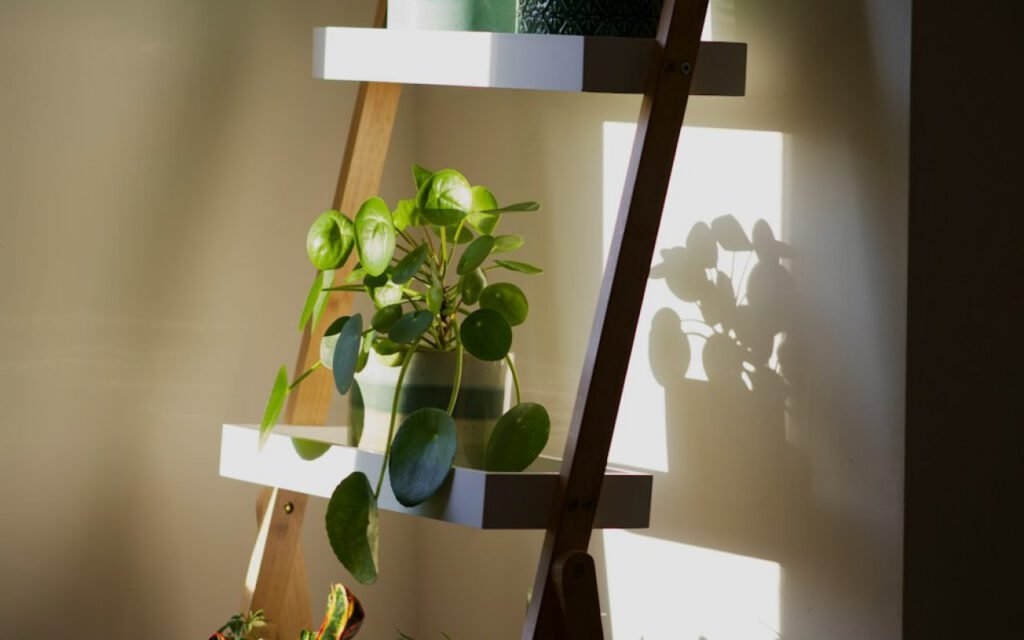
Sam hears the same story every week. A customer buys a plant, puts it somewhere that looks nice, such as a bookshelf across the room from the window, and waters it on a schedule. The plant, getting little light, uses very little water. The soil stays wet. Within weeks the roots begin to rot, and the plant declines. The customer blames themselves, when really the problem was the location and the schedule.
Plants do not run on calendars. How much water they need depends on light, temperature, humidity, the size of the pot and the season. A pothos in a sunny kitchen in July may need water twice a week; the same plant in a north-facing bedroom in January might go three weeks without needing any. That is why watering every Sunday, regardless of conditions, so often ends badly.
The one rule
Push a finger into the soil up to the second knuckle. If it is dry, water. If it is damp, wait. That is it. This finger test takes five seconds and replaces every schedule, app and moisture meter you might be tempted to buy. Check your plants once or twice a week, and only water the ones that need it.
When you do water, water thoroughly. Pour slowly until water runs out of the drainage hole at the bottom, then let the pot drain completely before returning it to its saucer or cachepot. Never let a plant sit in a puddle. A deep, occasional drink encourages strong roots, while frequent small sips keep roots shallow and the soil constantly damp.
Sponsored · Hearthside CandlesHand-poured in VermontTwelve new fall scents, out now.Shop candlesExceptions worth knowing
Succulent-type plants, such as the snake plant, ZZ plant and ponytail palm, prefer to dry out almost completely between waterings. For them, push your finger all the way down, and if you feel any moisture at all, wait a few more days. The peace lily is the opposite; it likes soil that stays lightly moist and will let you know with drooping leaves when it is thirsty.
Light matters more than water
Move a struggling plant closer to a window before you change anything else. Low-light tolerant does not mean no light. Even the toughest plants on our list grow faster, look healthier and use water more predictably when they get bright, indirect light for part of the day.
Sam’s rule of thumb is to stand where the plant will live and look toward the window. If you can see a large area of sky, the light is probably fine for most of these plants. If you can barely see the window at all, it is too dark. East- and north-facing windows suit most low-light plants well, while south- and west-facing windows can be too intense in summer for some, so pull plants back a few feet from the glass during the hottest months.

Turn your plants a quarter turn every week or so, so all sides get light and they grow evenly rather than leaning toward the window. In darker apartments, an inexpensive LED grow light on a timer can make a dramatic difference.
Good habits
Beyond the finger test and good light, a few small habits keep houseplants healthy for years:
- Use pots with drainage holes
- Water less in winter
- Wipe dusty leaves once a month
Drainage is essential. If you love a decorative pot without a hole, use it as a cachepot: keep the plant in a plastic nursery pot inside it and lift it out to water. In winter, shorter days mean slower growth, so most plants need water far less often. And dust on leaves blocks light, so a gentle wipe with a damp cloth helps the plant make the most of what it gets.
Repot only when roots begin circling the bottom of the pot or poking out of the drainage hole, usually every two or three years. Choose a pot just one or two inches wider than the old one. A pot that is much too big holds extra soil that stays wet for too long, which brings us right back to the original problem.

Finally, give a new plant time to settle in. Moving from a bright greenhouse to a home is a big change, and many plants drop a leaf or two in their first few weeks. That is normal. Resist the urge to move the plant around, repot it right away or water it extra out of worry. Choose a good spot, use the finger test and let it adjust. Sam tells customers to judge a new plant after a month, not after a few days.
Key takeaway: Choose a forgiving plant, give it decent light and water only when the soil is dry two knuckles deep.
Start with one
If you are rebuilding your confidence, Sam suggests starting with a single pothos or snake plant, placed near a bright window, and checking it with the finger test every Sunday morning. Once that plant is thriving, add another. Within a year, he says, most of his once-nervous customers come back for more, proudly showing him photos on their phones. A black thumb, it turns out, is usually just a habit that can be unlearned.
Rose Ellison
Rose founded Slow Sunday in 2016 as a printed zine for her neighbors. She still edits every issue from a desk by the window.


2 Comments
Thanks for explaining this so clearly.
Great reporting — please keep following this story.