

 National ParksNational Parks Will Use Timed Entry Again Next SummerReservations open in April. Here’s how to get one — and when to go to skip…
National Parks Ella Morgan6 min read
Great Smoky Mountains: Waterfalls, Fall Color and Quiet Trails
The most-visited national park in America still has empty corners, if you know where to look.
Ella Morgan6 min read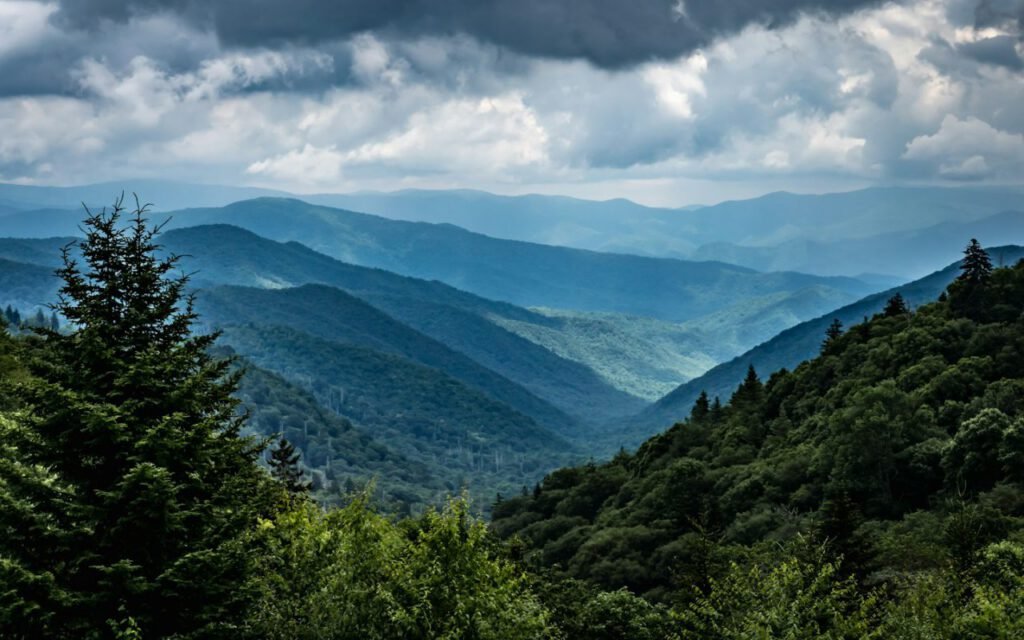

Written by
Ella Morgan
Ella has visited 52 national parks and writes every guide after walking the trails herself. She started The Wander Journal from a campervan in 2015.
13Articles
2026Writing since
There is no entrance fee at the Smokies, which is one reason 13 million people visit every year. That makes Great Smoky Mountains National Park the most-visited national park in America, and on a busy October weekend it can certainly feel like it. Yet the park covers more than half a million acres of misty ridges, old-growth forest and tumbling streams, and it still has plenty of empty corners if you know where to look. Skip the Gatlinburg traffic and head for the quieter North Carolina side. This is our guide to waterfalls, fall color and quiet trails, built from three autumn visits.
Best time: late October for color. Stay: three days. Budget: low.
Advertisement Sponsored · Skyward Rewards Card60,000 bonus milesAfter $3,000 spent in the first 3 months.Apply now
Sponsored · Skyward Rewards Card60,000 bonus milesAfter $3,000 spent in the first 3 months.Apply nowBefore you go
Even without an entrance fee, the Smokies have one important rule that catches many visitors off guard.
You need a parking tag to park anywhere in the park for more than 15 minutes. Buy it online before you go.
Park ranger Eli Navarro
Ranger Eli told us that every year rangers find hundreds of cars without tags at the busiest trailheads. Tags are sold by the day, the week or the year, and you can buy them online in a few minutes or at visitor centers. Print it or keep it on your dashboard, and you are set.
AdvertisementSponsored · Skyward Rewards Card60,000 bonus milesAfter $3,000 spent in the first 3 months.Apply now
Sponsored · Skyward Rewards Card60,000 bonus milesAfter $3,000 spent in the first 3 months.Apply nowTiming the fall color
Fall color in the Smokies starts at the highest elevations in early October and moves slowly down the mountains. By late October, the middle and lower slopes are usually at their peak, with maples, hickories and sourwoods turning red, orange and gold. Because the park spans such a wide range of elevations, there is almost always color somewhere from early October through early November. Check the park’s fall color updates in the week before your trip.
Plan your visit for midweek if you can. October weekends bring heavy traffic, especially on the main road between Gatlinburg and Cherokee. A Tuesday or Wednesday visit can feel like an entirely different park.
The best waterfall hikes
Grotto Falls lets you walk behind the water. Rainbow Falls is a harder climb with a bigger reward. The Smokies receive a lot of rain, especially at higher elevations, which feeds hundreds of waterfalls across the park. These are the hikes we return to again and again:
- Grotto Falls, about 2.6 miles round trip through an old hemlock forest. The trail passes directly behind the 25-foot waterfall, which is cool and refreshing even on warm days.
- Rainbow Falls, about 5.4 miles round trip with a steady climb. On sunny afternoons, the mist creates a rainbow at the base of the 80-foot falls.
- Laurel Falls, a paved 2.6-mile round trip that is easy but often crowded. Go early in the morning.
- Juney Whank, Tom Branch and Indian Creek Falls, three small waterfalls on a short loop from the Deep Creek area near Bryson City. Perfect for families.
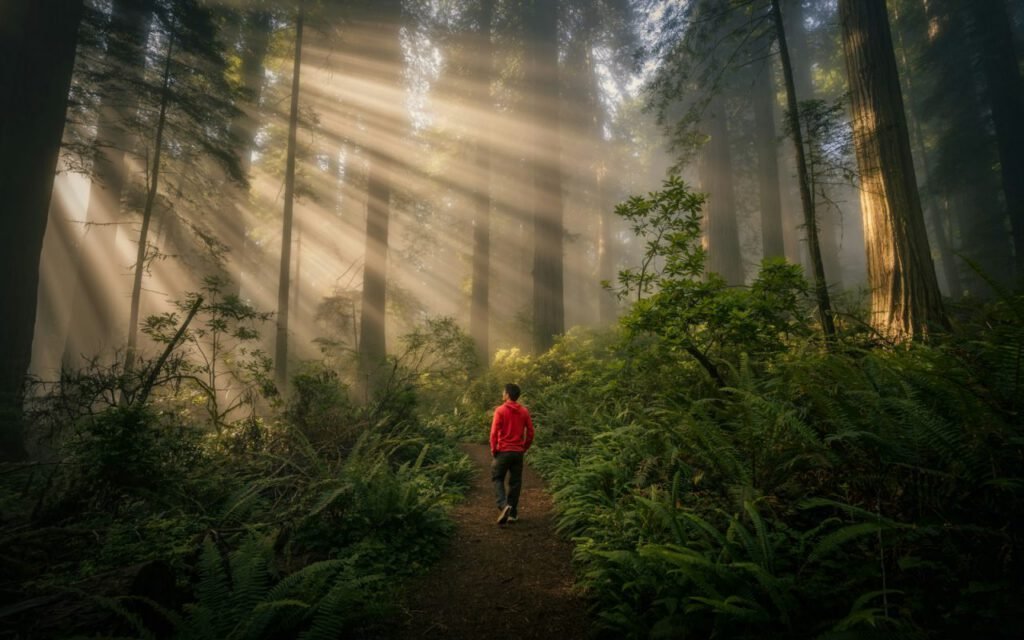
Wet rocks near waterfalls are extremely slippery. Stay on the trail, keep children close and never climb on the falls themselves. Wear shoes with good grip, and carry rain gear, since afternoon showers are common.
Cades Cove at dawn
Drive the 11-mile loop before 8 a.m. to see deer and black bears in the fields before the traffic builds. Cades Cove is a wide, open valley surrounded by mountains, once home to a farming community in the 1800s. Today the old log cabins, barns, churches and a working grist mill are preserved along a one-way loop road.
Wildlife is the main draw. White-tailed deer graze in the meadows almost every morning, wild turkeys strut across the road and black bears are often seen at the edge of the forest, especially in fall when they are feeding on acorns. In the middle of the day, though, the loop can turn into a slow crawl of cars, sometimes taking three hours or more. Arriving at dawn makes all the difference.
Watching wildlife safely
Park rules require you to stay at least 150 feet from bears and elk. Use binoculars or a zoom lens, never approach or feed wildlife, and stay in your car if an animal is near the road. If you see a bear while hiking, give it space and back away slowly. Store all food in your car or in bear-proof containers.
Key takeaway: start every day early. Sunrise brings the best light, the most wildlife and the emptiest trails in the park.
The quieter North Carolina side
Most visitors enter the park from Gatlinburg in Tennessee, which is why the northern side gets so busy. The North Carolina side, around Cherokee and Bryson City, is noticeably calmer. Here you will find wide river valleys, long trails along rushing streams and some of the park’s best historic sites.
Near the Oconaluftee Visitor Center, the Mountain Farm Museum gathers log buildings from around the park into a small homestead, complete with a farmhouse, a barn, an apple house and a blacksmith shop. In the fall, herds of elk often graze in the nearby fields at dawn and dusk. A short drive away, Mingus Mill still grinds corn into meal using water power, much as it has since the 1880s.
Quiet trails worth the drive
If you want real solitude, look beyond the famous names. The Deep Creek area near Bryson City has long streamside trails where you can walk for an hour and meet only a few anglers. The Cataloochee Valley, reached by a winding gravel road on the eastern edge of the park, is one of the most peaceful corners of the Smokies, with old frame houses, a historic church and a schoolhouse set in a wide meadow. Elk herds graze here at dawn and dusk, and in fall the bulls bugle across the valley in a sound you will not forget. The drive in is slow and narrow, which is exactly why so few people make it. Pack a picnic, since there are no services, and plan to stay until the evening light fades over the ridges. Big Creek, at the northeastern corner of the park, is another favorite, with an easy trail to a series of clear pools and small cascades that see a fraction of the visitors of the main corridor.
Where to stay
Book a cabin near Bryson City for quiet mornings and easy access to the Deep Creek trails. Bryson City is a small, friendly mountain town with a historic depot, good restaurants and easy access to both the park and the river. Many cabins in the surrounding hills come with porches, hot tubs and long views over the mountains.
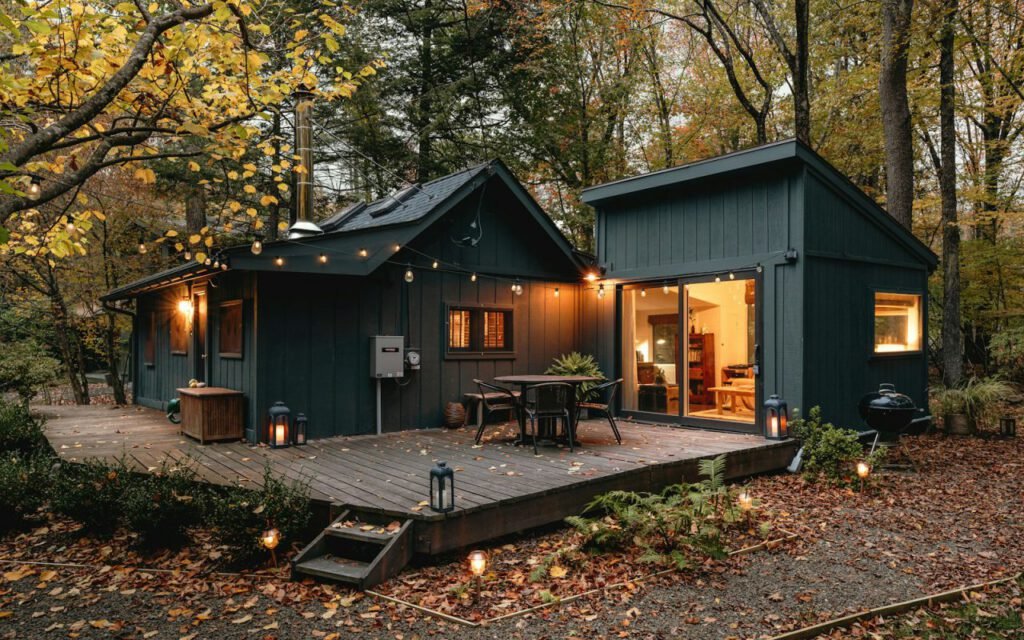
If you prefer to camp, the park has several developed campgrounds, including Smokemont and Deep Creek on the North Carolina side. Reserve ahead for fall weekends.
Don’t miss
Three days in the Smokies goes by quickly. Make room for sunrise at Clingmans Dome, the highest point in the park, where a short but steep paved trail leads to an observation tower with views across seven states on a clear day. Add Grotto Falls, the Cades Cove loop at dawn and a visit to Mingus Mill and the Mountain Farm Museum.

Clingmans Dome Road usually closes from early December through March, so check the park’s road status before you go. Wherever you end up, the Smokies reward anyone who wakes up early, drives a little farther and walks a little longer. The crowds are real, but so is the quiet, just a few miles down the trail.
Written by
Ella Morgan
Ella has visited 52 national parks and writes every guide after walking the trails herself. She started The Wander Journal from a campervan in 2015.
13Articles
2026Writing since
Read next
National ParksNational Parks Will Use Timed Entry Again Next SummerReservations open in April. Here’s how to get one — and when to go to skip… National ParksGrand Canyon Without the Crowds: A Three-Day South Rim PlanSunrise at Mather Point, a half-day hike below the rim and the quiet viewpoints most visitors…
 National ParksYellowstone in Five Days: Geysers, Wildlife and Where to StayA loop of the park that avoids backtracking, with the best dawn spots for bison and…
 National ParksArches and Canyonlands: Moab’s Best Two-Park WeekendDelicate Arch at sunset, Mesa Arch at sunrise and the timed-entry rules you need to know.
 National ParksGlacier Bay by Boat: An Alaska Trip Worth Saving ForTidewater glaciers, humpback whales and a day boat that costs a fraction of a cruise.
Start the conversation