


 National ParksNational Parks Will Use Timed Entry Again Next SummerReservations open in April. Here’s how to get one — and when to go to skip…
National Parks Ella Morgan6 min read
Grand Canyon Without the Crowds: A Three-Day South Rim Plan
Sunrise at Mather Point, a half-day hike below the rim and the quiet viewpoints most visitors drive past.
Ella Morgan6 min read

Written by
Ella Morgan
Ella has visited 52 national parks and writes every guide after walking the trails herself. She started The Wander Journal from a campervan in 2015.
13Articles
2026Writing since
Six million people visit the Grand Canyon each year, and most of them stand at the same five viewpoints between 11 a.m. and 3 p.m. Go early, go late and walk a little, and you will have the canyon almost to yourself. That is the whole secret, and it works surprisingly well. On our last visit to the South Rim, we watched sunrise with perhaps thirty other people, hiked below the rim on a trail that felt nearly empty by midmorning and ended the trip at a viewpoint where we were the only car in the lot. This three-day plan is built around those quiet hours.
Best time March–May, Sept–Nov · Stay 3 days · Budget $$
Advertisement Sponsored · Skyward Rewards Card60,000 bonus milesAfter $3,000 spent in the first 3 months.Apply now
Sponsored · Skyward Rewards Card60,000 bonus milesAfter $3,000 spent in the first 3 months.Apply nowPlanning the trip
Spring and fall are the best seasons for the South Rim. Temperatures on the rim are comfortable, the summer crowds have not yet arrived or have already left and the light is often softer. Summer brings the most visitors and serious heat below the rim, while winter can bring snow and icy trails, though it is also beautifully quiet.
For lodging, you have three main options. The historic lodges inside the park put you steps from the rim and book up many months ahead, sometimes more than a year for peak dates. Campgrounds in the park are another option, with reservations recommended in busy months. The gateway town of Tusayan, just outside the south entrance, has several hotels and is a short drive or shuttle ride from the rim. Flagstaff and Williams are farther away, about an hour or more, but often have more availability and lower prices.
Buy your park entrance pass online before you arrive, or pick up an annual pass if you plan to visit other national parks this year. Download the park’s map and shuttle information too, since cell service on the rim is patchy in places.
Day one: the rim at sunrise
Start at Mather Point before dawn, then walk the paved Rim Trail west toward Yavapai Point as the light changes. Check the sunrise time the night before and plan to arrive at least thirty minutes early. Bring a warm layer even in late spring. Temperatures on the rim before sunrise can be near freezing, while the canyon below will be much warmer by afternoon.
AdvertisementSponsored · Skyward Rewards Card60,000 bonus milesAfter $3,000 spent in the first 3 months.Apply now
Sponsored · Skyward Rewards Card60,000 bonus milesAfter $3,000 spent in the first 3 months.Apply now
As the sun comes up, the canyon walls slowly fill with color, from deep purple to orange and finally the bright reds and tans of full daylight. Once the main show is over, start walking west on the Rim Trail. The section between Mather Point and Yavapai Point is about 0.7 miles, flat and paved, with a different view around nearly every bend. Stop at the Yavapai Geology Museum, where big windows look straight down into the canyon and exhibits explain how the layers formed.
Have breakfast at the village and nap through the midday heat. This is the part most visitors skip, and it makes a big difference. The rim is at its most crowded and the light at its flattest from late morning through midafternoon. Head back to your room, read, rest or visit the historic buildings around the village. Then go back out for sunset, perhaps at Hopi Point along Hermit Road, which you can reach on the free park shuttle for much of the year.
Day two: below the rim
Hike the South Kaibab Trail to Ooh Aah Point (1.8 miles round trip) or Cedar Ridge (3 miles). Bring twice the water you think you need, because the climb out takes twice as long as the walk down. The South Kaibab is one of the most dramatic trails in the park, following a ridge rather than a side canyon, so the views open up almost immediately.
The trailhead is reached by the park shuttle, since private vehicles are not allowed on that road. Catch an early bus, ideally one of the first of the morning, and you will be on the trail before the heat and the crowds. The trail is steep and has no water along the way, so carry everything you need. Wear sturdy shoes with good grip, as the path is dusty and rocky in places.
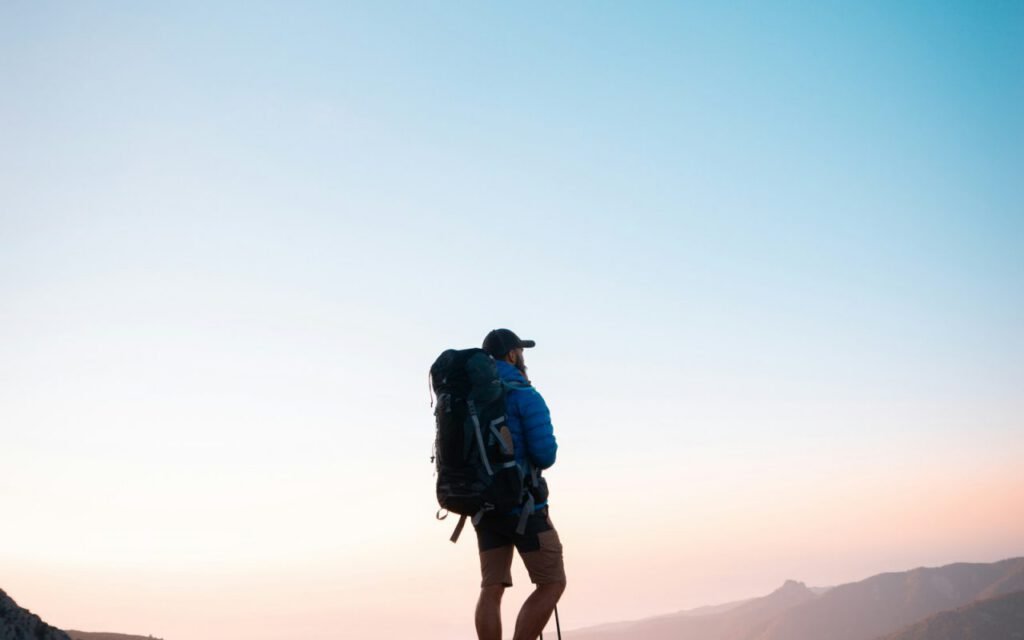
Ooh Aah Point earns its name with a wide view down into the canyon. Cedar Ridge, a bit farther down, has a flat area that makes a good turnaround spot and a place to eat a snack. Do not go farther than you planned. Remember that every step down is a step you have to climb back up, at high elevation, often in warming temperatures.
Hiking safety basics
- Start early and plan to be off the trail before the hottest part of the day.
- Carry plenty of water and salty snacks, and drink regularly.
- Wear a hat, sunglasses and sunscreen.
- Turn around when you have used a third of your water or energy.
- Yield to mule trains and follow the wrangler’s instructions.
- Check with rangers about current trail conditions and closures.
Never plan to hike to the river and back in one day. The heat below the rim surprises strong hikers every summer.
Park ranger Eli Navarro
Spend the afternoon resting, then catch a ranger talk if one is scheduled. Many cover geology, wildlife or the people who have called this landscape home for thousands of years. They are free, informative and usually much quieter than the main viewpoints.
Day three: Desert View Drive
Drive the 25-mile road east, stopping at Grandview and Lipan Points, and finish at the Desert View Watchtower for sunset. This is the quietest part of the South Rim for most of the day, and the viewpoints along the way are some of the best in the park.
Grandview Point offers a sweeping look across the canyon and a glimpse of the old trail miners once used. Moran Point is named for a painter whose work helped bring attention to the canyon. Lipan Point has one of the widest views in the park, including a long stretch of the Colorado River far below. The Tusayan Ruin and Museum is a short stop where you can see the remains of a small ancestral Puebloan village.
Pack a picnic lunch and take your time. At the end of the road, the Desert View Watchtower rises above the rim, its stone walls built to echo older structures of the region. Climb inside for the views and the murals, then find a spot along the rim for sunset. Lipan Point, a short drive back west, is another excellent sunset choice if you want even fewer people.
Don’t miss
- Sunrise at Mather Point
- Ooh Aah Point on the South Kaibab Trail
- Sunset at Lipan Point
- A ranger talk at the Yavapai Geology Museum
Key takeaway: Be on the rim at sunrise and sunset, below it in the early morning and somewhere shady at midday. The crowds follow the clock, so you do not have to.
The Grand Canyon is one of the most visited places in the country, and still it is possible to stand quietly at its edge with the wind in your face and no one else in sight. It just takes an alarm clock, a little patience and the willingness to keep walking past the busiest overlook. Three days on the South Rim, planned around the quiet hours, will show you a very different canyon than the one most people see.
Written by
Ella Morgan
Ella has visited 52 national parks and writes every guide after walking the trails herself. She started The Wander Journal from a campervan in 2015.
13Articles
2026Writing since
Read next
National ParksNational Parks Will Use Timed Entry Again Next SummerReservations open in April. Here’s how to get one — and when to go to skip… National ParksYellowstone in Five Days: Geysers, Wildlife and Where to StayA loop of the park that avoids backtracking, with the best dawn spots for bison and…
 National ParksArches and Canyonlands: Moab’s Best Two-Park WeekendDelicate Arch at sunset, Mesa Arch at sunrise and the timed-entry rules you need to know.
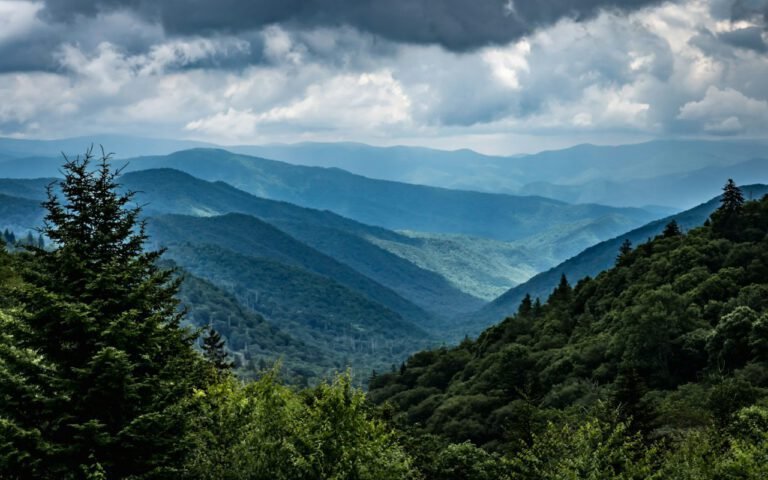 National ParksGreat Smoky Mountains: Waterfalls, Fall Color and Quiet TrailsThe most-visited national park in America still has empty corners, if you know where to look.
 National ParksGlacier Bay by Boat: An Alaska Trip Worth Saving ForTidewater glaciers, humpback whales and a day boat that costs a fraction of a cruise.
Thanks for explaining this so clearly.
Great reporting — please keep following this story.