Getting Ready for Fourth of July Fireworks
Help your pet feel safe on a loud night.
 Dr. Emily Hart6 min read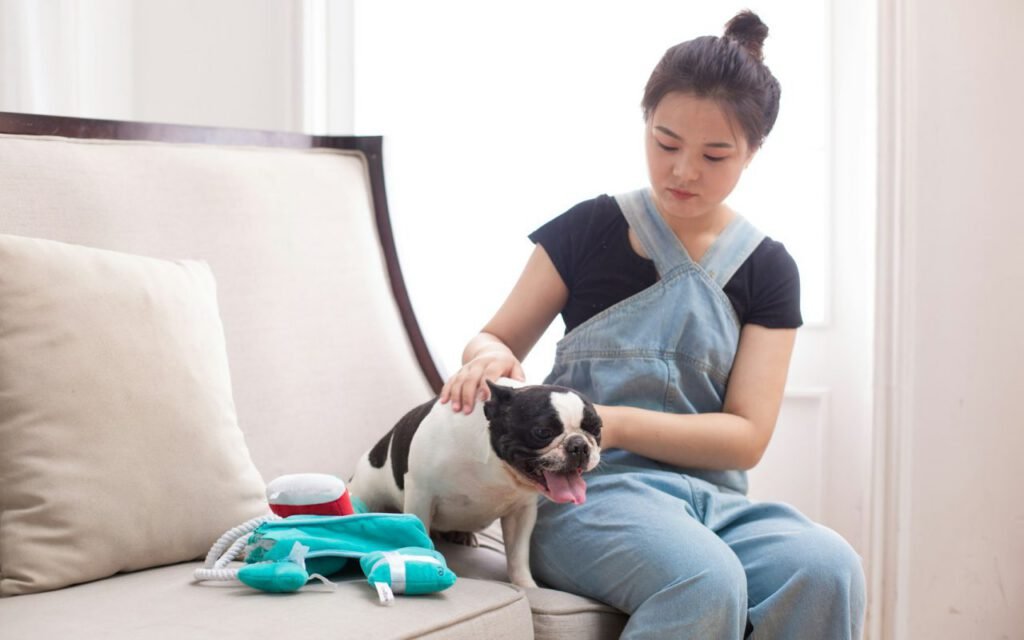
More pets go missing around July 4th than any other time of year. The noise starts in the evening and can last for hours, often with a few early booms in the days before and after the holiday. To a dog or cat, those sudden cracks and flashes have no explanation and no end in sight, and frightened pets can slip through gates, squeeze out of collars and run much farther than you would think. A little planning keeps them safe at home.
Not every pet reacts the same way. Some sleep right through the fireworks; others pant, tremble, hide or try desperately to escape. If you are not sure how your pet will respond, assume they may be frightened and prepare anyway. These steps are simple, and most can be done in an afternoon.
Plan the day
The best fireworks plan starts well before sunset. A tired pet is often a calmer pet, so give dogs a long walk or a good play session in the morning or early afternoon, while the neighborhood is still quiet. Take care of bathroom breaks before dusk, and keep evening potty trips short and on a leash, even in a fenced yard.
Feed dinner a little earlier than usual so your pet has time to settle before the noise begins. Bring outdoor cats inside for the night, and keep all pets indoors from late afternoon until the fireworks are finished. If you will be out at a celebration, consider leaving your pet home in their safe space rather than bringing them along to a crowded, noisy event.

A quiet room
Close the curtains, turn on music or a fan, and give them a cozy hiding spot. The idea is to make one part of your home feel as calm and enclosed as possible. An interior room, a bedroom with heavy curtains or a basement often works best, because it puts walls between your pet and the flashes outside.
- Block the light by closing blinds and curtains before dark.
- Mask the noise with steady background sound, such as soft music, a fan or a white noise machine.
- Offer a den, like a covered crate, a box with a blanket or a spot under a desk where your pet already likes to hide.
- Add comfort items, including a favorite bed, a worn T-shirt and a long-lasting chew or puzzle toy.
- Keep water nearby, since anxious pets often pant and drink more.
Let your pet choose where to hide, and do not drag them out. If they want to be close to you, that is fine too. Speak calmly, offer gentle petting if they like it and try to act relaxed yourself. Pets pick up on our moods, and a calm owner helps more than you might expect.
If your pet panics every year, talk to us a week early about calming options.
Emily, veterinarian at Maple & Paw Animal Hospital
Emily says the week before July 4th is one of the busiest times for anxiety-related phone calls. “Some pets need more than a quiet room, and that’s okay,” she says. “We can talk through options that fit your pet, but we need a little time to do it right. Please don’t wait until the afternoon of the fourth.”
About calming medications
For pets with severe noise fears, your veterinarian may recommend a prescription medication or another approach. Many need to be tested ahead of time to see how your pet responds, which is why calling early matters. Never give your pet human sleep aids or anxiety medications, and do not use leftover pills from another pet without checking with us. Some common human medicines are dangerous to dogs and cats.
Check the microchip
Make sure your contact details are up to date before the holiday. A microchip is only useful if the phone number connected to it still reaches you. If you have moved, changed numbers or adopted your pet from a shelter or another family, take a few minutes to look up the registry and confirm your information.
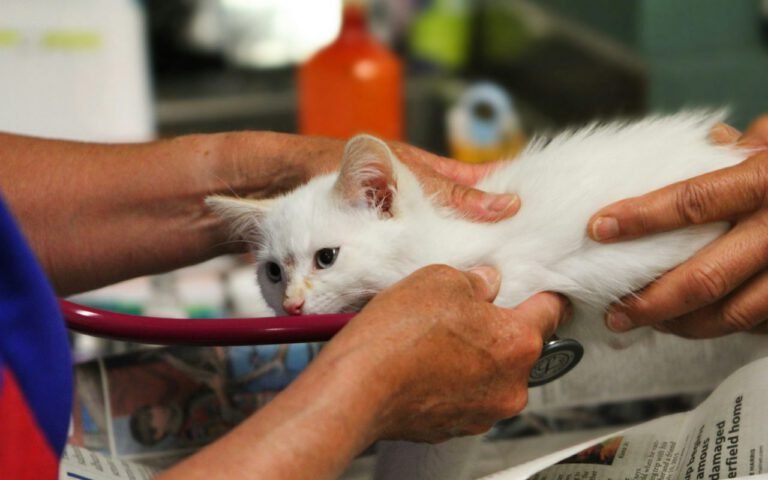
If you are not sure whether your pet has a chip, or which company it is registered with, we can scan it at the front desk in a few seconds. No appointment needed. We see many pets each summer whose chips still list a previous owner or an old phone number.
Collars, tags and photos
Along with the microchip, make sure every pet wears a well-fitting collar with an ID tag that shows your phone number. Check the fit: you should be able to slide two fingers under the collar, but it should not slip over your pet’s head. It also helps to take a clear, recent photo of each pet, so you can share it quickly if they get out.
Key takeaway: A quiet room, an early walk and an up-to-date microchip are the three simplest ways to keep your pet safe and calm on July 4th.
Secure the house
Frightened pets are surprisingly strong and creative. Walk your home and yard before the holiday and look for weak spots. Check gates and latches, repair loose fence boards and make sure window screens are secure. Remind guests to keep doors closed, and consider putting a note on the front door so visitors know a pet is inside.
Keep party items out of reach too. Fireworks, sparklers, matches, lighter fluid, glow sticks, alcohol and many picnic foods, such as grapes, onions, chocolate and corn cobs, can all cause problems for pets. Grill scraps and bones are especially tempting and can upset stomachs or cause blockages.
Practice ahead of time
If you have a few weeks before the holiday, you can also help your pet get used to loud sounds gradually. Play recordings of fireworks at a very low volume while your dog eats dinner or plays a favorite game, and stop well before they show any signs of worry. Over many short sessions, slowly raise the volume as long as your pet stays relaxed. This kind of practice works best when it is started early and kept gentle, and a veterinarian or certified trainer can help you plan it.
Pets with severe fears, or pets who have hurt themselves trying to escape in past years, should always be part of a conversation with your veterinarian. There is no need to tough it out, and there is no single right answer. We will help you find what works for your pet and your household.
If your pet goes missing
If the worst happens, act quickly. Search your neighborhood right away, calling your pet’s name calmly, and check under porches, decks, cars and bushes, since frightened pets often hide close to home. Contact local animal shelters and animal control, and call your microchip company to report your pet missing. Post your pet’s photo on neighborhood groups and community boards, and put a familiar item, such as a bed or blanket, outside your door.
Call us too. Our front desk keeps a list of lost and found pets in the area, and we often help reunite families after the holiday weekend.
Enjoy the holiday
With a bit of preparation, July 4th can be a calm night at home for your pet and a fun one for you. Most pets recover quickly once the noise stops, though some may stay a little jumpy for a day or two. If your pet seems unusually stressed, hurt or unwell after the fireworks, give us a call.
This guide is general information. Every pet is different, and your veterinarian can help you build a plan that fits yours. Happy Fourth of July from all of us at Maple & Paw.

Dr. Emily Hart
Emily has cared for Portland pets since 2012.




2 Comments
Sharing this with my friends.
Saved this one for later. Really useful.