Why Your Dog’s Teeth Matter More Than You Think
Dental health and the rest of the body.
 Dr. Daniel Cho6 min read
Most dogs show signs of dental disease by age three. It is easy to miss and easy to prevent. Many owners do not realize there is a problem until their dog has trouble chewing or a tooth needs to come out, because dogs rarely complain about mouth pain. They simply keep eating, keep wagging and keep hiding the discomfort as best they can.
Dental disease starts quietly. After a meal, a thin film called plaque forms on the teeth. Over a few days, it hardens into tartar, which collects along and under the gumline. Bacteria in that buildup irritate the gums, and over time the problem can reach the tissues and bone that hold teeth in place. That is why the parts of the tooth you cannot see often matter most.
Why it matters
A healthy mouth is about much more than fresh breath. Painful teeth can affect how your dog eats, plays and sleeps. Loose or infected teeth can make chewing uncomfortable, and many dogs become noticeably more playful after dental problems are treated, which tells us they were hurting more than anyone knew.
Veterinarians also pay attention to dental health because the mouth is connected to the rest of the body. Ongoing infection and inflammation are not good for any animal, and your veterinarian looks at your dog’s teeth as part of the whole picture of their health.

Signs to watch for
Bad breath is not normal. It is a sign.
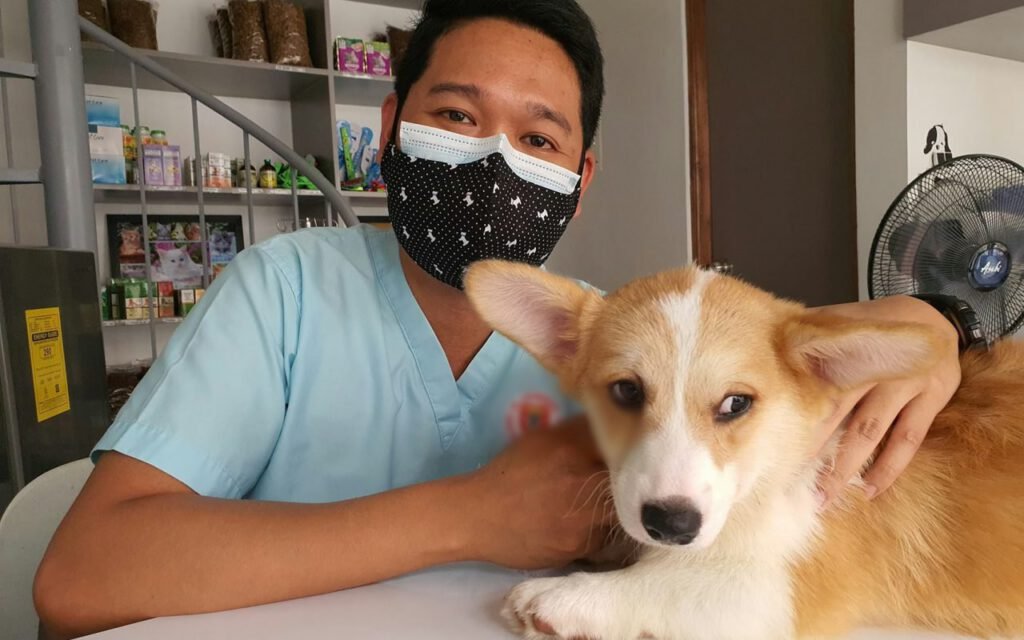
Daniel, veterinarian at Maple & Paw Animal Hospital
Daniel hears it all the time: “Oh, that’s just dog breath.” But a strong or unpleasant smell is often the first clue that bacteria are building up. “A healthy dog’s mouth shouldn’t knock you over,” he says. “If it does, that’s our cue to take a closer look.”
Along with bad breath, keep an eye out for these common signs:
- Yellow or brown buildup on the teeth, especially the back teeth
- Red, swollen or bleeding gums
- Dropping food, chewing on one side or eating more slowly
- Pawing at the mouth or rubbing the face on the floor
- Drooling more than usual, sometimes with a little blood
- Loose, broken or missing teeth
- Swelling below the eye or along the jaw
Small breeds are especially prone to dental trouble, because their teeth are crowded into small mouths. Flat-faced breeds can also have crowded or rotated teeth. But dogs of every size can develop dental disease, so every dog benefits from a dental plan.
Brushing helps
A few minutes a few times a week with pet toothpaste (never human toothpaste) is the single best thing you can do at home. Human toothpaste often contains ingredients that can upset a dog’s stomach, and some contain a sweetener that is toxic to dogs. Pet toothpaste is made to be swallowed and comes in flavors dogs actually like, such as poultry or peanut.
How to start
- Begin with a taste. Let your dog lick a little pet toothpaste off your finger for a few days.
- Touch the mouth. Gently lift the lips and rub a finger along the outside of the teeth and gums. Reward with praise.
- Add the brush. Use a soft dog toothbrush or finger brush. Start with the large back teeth and canines, where tartar builds up fastest.
- Focus on the outside. Brush in small circles along the gumline. Most dogs do not need the inside surfaces brushed, since the tongue helps keep those cleaner.
- Keep it short and happy. Thirty seconds is a great start. Build up slowly and end with a reward.
Daily brushing is ideal, but even a few times a week makes a real difference. Consistency matters more than perfection. If your dog will not tolerate brushing, ask us about other options, such as dental chews, water additives or special diets designed to support dental health. Look for products that have been reviewed for effectiveness, and remember that none of them fully replaces brushing.
A word on chews
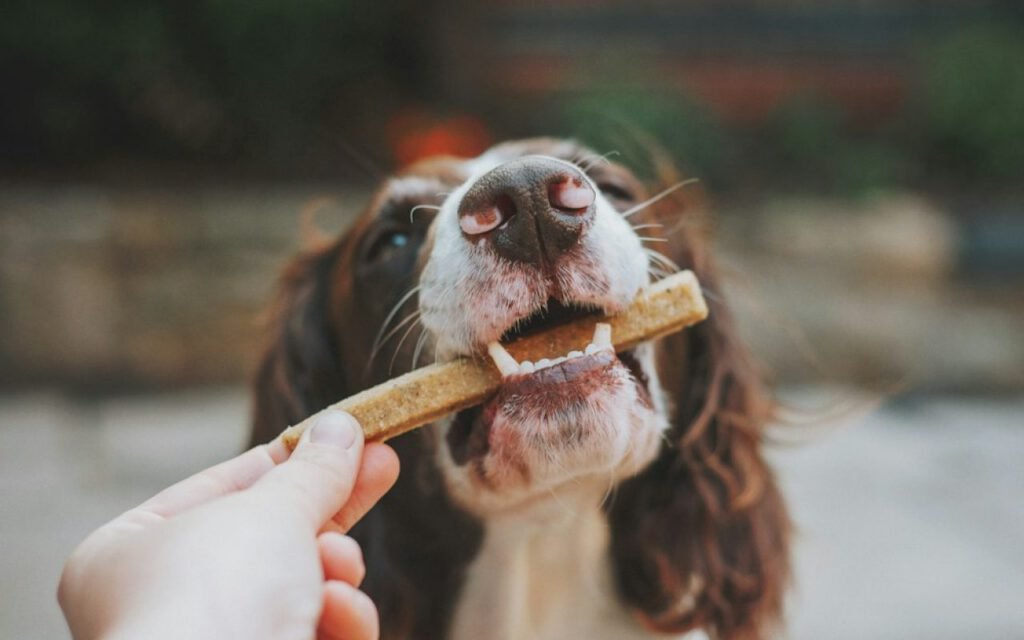
Chewing can help scrape away some plaque, but be careful what you offer. Very hard items, such as antlers, hooves, real bones and hard plastic toys, are a common cause of broken teeth. A good rule of thumb: if you cannot press your thumbnail into it, it may be too hard for your dog’s teeth.
Yearly cleanings
A professional cleaning under anesthesia lets us check below the gumline. That is where much of the damage happens, and it is impossible to clean or evaluate properly while a dog is awake. Under anesthesia, our team can scale away tartar above and below the gumline, polish the teeth, check each tooth carefully and take dental X-rays to look at the roots and bone.
Many owners worry about anesthesia, and that is a fair concern. Before any procedure, we do a full exam and recommend bloodwork to make sure your dog is a good candidate. During the cleaning, a trained team member monitors your dog’s heart rate, breathing, blood pressure and temperature throughout. Your veterinarian will talk with you about any questions or risks specific to your pet.
You may have seen anesthesia-free cleanings offered elsewhere. These can make teeth look cleaner on the surface, but they cannot clean or assess below the gumline, and they can give a false sense of security. Ask your veterinarian about what is best for your dog.
Key takeaway: Brush at home a few times a week with pet toothpaste, and plan for a professional dental exam and cleaning as often as your veterinarian recommends.
What to expect on cleaning day
Most dental cleanings are day visits. You drop your dog off in the morning after an overnight fast, and our team gets them settled in a quiet, warm area. After the procedure, your dog rests while the anesthesia wears off and our staff keeps a close eye on them. Most dogs go home the same afternoon, a little sleepy but ready for a soft dinner.
When you pick up your dog, we will walk you through what we found, show you any X-rays and explain any treatment that was done. If a tooth needed to be removed, we will send you home with clear instructions, pain medication if needed and a plan for soft food for a few days. Many owners are surprised by how quickly their dogs bounce back, and how much brighter they seem once a sore tooth is gone.
Building a dental routine
The best dental plan combines home care with regular checkups. At every wellness visit, we look at your dog’s teeth and gums and let you know whether a cleaning is needed. Some dogs need one every year; others can go longer. Small breeds and older dogs often need cleanings more often.
Starting early makes everything easier. Puppies who learn to have their mouths handled usually grow into adults who accept brushing without fuss. But it is never too late to start. Many older dogs learn to enjoy their daily toothbrushing, especially when it comes with a tasty toothpaste and plenty of praise.
This post shares general information to help you care for your dog. If you notice any of the signs above or have questions about your dog’s teeth, give us a call. We would be happy to take a look and help you build a routine that keeps your dog smiling for years to come.

Dr. Daniel Cho
Daniel leads dental and surgery.



Start the conversation