


Rosa Martinez
Rosa has taught Sacramento drivers since 2009.


Merging is where most new drivers tense up. The trick is speed, not hesitation. Picture it: you are rolling down an on-ramp, cars are flying past at sixty-five miles per hour, and the lane you are in is running out. Your hands tighten on the wheel and your foot hovers over the brake. That instinct to slow down feels safe, but on a freeway it is usually the opposite. The good news is that merging is a skill, not a gift. With a clear routine and some calm practice, it becomes one of the most satisfying moves in driving. Here is how we teach it at GreenLight Driving School.
Why merging feels scary
Freeway driving introduces several new challenges at once. Speeds are higher, traffic moves in multiple lanes and decisions have to happen quickly. On a merge, you have to judge the speed of cars you can only see in your mirrors, find a gap and move into it before the ramp ends. That is a lot to process for someone who has mostly driven on neighborhood streets.
Most merging mistakes come from fear. Drivers slow down or stop at the end of a ramp because they are waiting for a perfect gap. But stopping on an on-ramp forces you to merge from a standstill into fast traffic, which is much more dangerous than merging at speed. Understanding why speed matters is the first step toward feeling calm.
Use the whole ramp
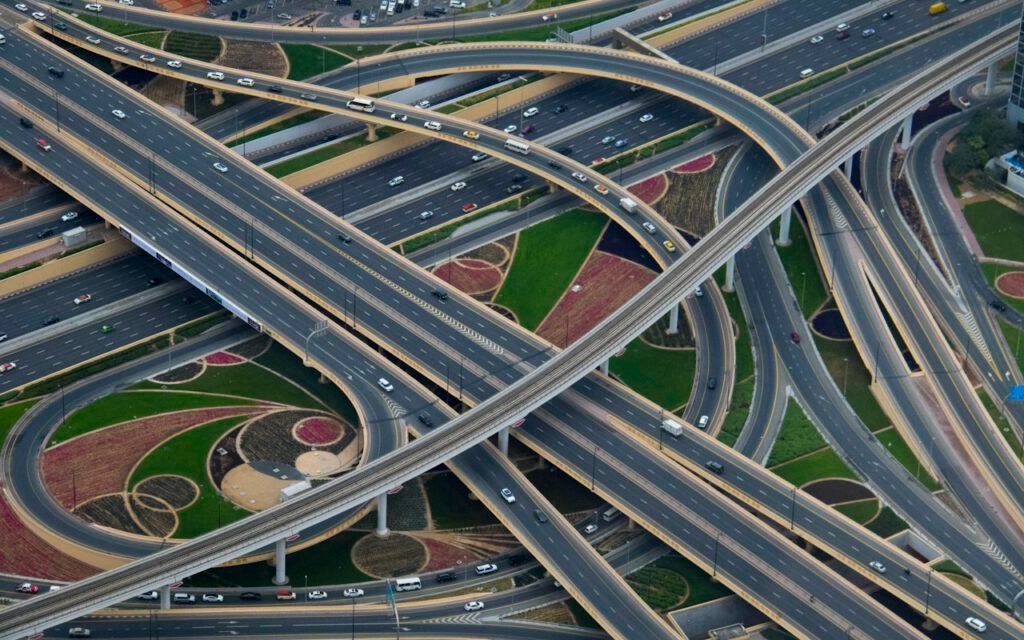
Accelerate to freeway speed on the ramp. Slow merges are the dangerous ones. The on-ramp is designed for one main job: giving you room to speed up so you can blend in with traffic. Use all of it.
As soon as you enter the ramp and can see that the way is clear, press the accelerator firmly and smoothly. Many new drivers are surprised by how hard they need to press to reach freeway speed. That is normal. Your goal is to be close to the speed of the traffic you are joining by the time you reach the merge point. If traffic is moving at sixty miles per hour, you want to be near sixty, not forty.
Different kinds of ramps
- Long ramps: These give you plenty of space. Use the extra room to match speed and choose your gap calmly.
- Short ramps: Common on older freeways. Accelerate early and decisively, because you have less space to work with.
- Ramps with stop lights: Some freeways use ramp meters during busy times. Wait for the green light, then accelerate firmly.
- Merging lanes that continue: Some ramps become a full lane. You still need to speed up, but you have more time to move over.
Signal and find a gap
Check your mirror and over your shoulder, then blend into the gap smoothly. This is where your routine matters most. As you accelerate, turn on your signal early so drivers on the freeway know you plan to merge. Many will adjust their speed or move over a lane if they can, but never assume they will.
The merge routine
- Signal: Turn on your signal as you start up the ramp.
- Accelerate: Build speed to match traffic.
- Look: Use quick glances at your side mirror to spot a gap in the lane you are joining.
- Head check: Glance over your shoulder to check your blind spot. Mirrors do not show everything.
- Adjust: Speed up slightly or ease off slightly to line up with the gap.
- Blend: Move smoothly into the lane, then cancel your signal.
Keep your glances short. Your eyes need to spend most of their time looking ahead, because the car in front of you on the ramp might slow down. Quick looks at the mirror, a fast head check and eyes back forward.
We practice merges on quiet weekend mornings first.
Tom
Tom always introduces freeway driving when traffic is light, often around 7:00 a.m. on a Sunday. Students get comfortable with the speed and the routine before facing rush hour. By the time they merge into weekday traffic, the steps feel automatic.
Know your car
Every car accelerates a little differently. A small hatchback with four passengers and a trunk full of luggage will pick up speed more slowly than an empty midsize sedan. Spend some time on a quiet, straight road learning how much pedal it takes to go from thirty to sixty miles per hour in the car you drive most often. Pay attention to how the engine sounds and how the car feels when you press firmly. That knowledge pays off on short ramps, where you have only a few seconds to get up to speed. It also helps to know where your blind spots are. Sit in the driver’s seat while a friend walks slowly around the car, and notice when they disappear from your mirrors. Those are the spots your head check needs to cover.
When the gap is not there
Sometimes traffic is heavy and no obvious gap appears. Stay calm and keep thinking. Usually, you can adjust your speed slightly to find space either ahead of or behind a car. Look for the larger gap and commit to it.
If you truly cannot merge safely, it may be necessary to slow down near the end of the ramp, but this should be a last resort. Use your mirrors to make sure no one is close behind you, slow gradually and wait for a gap large enough to accelerate into. Stay alert and do not force your way in.
Being a courteous freeway driver
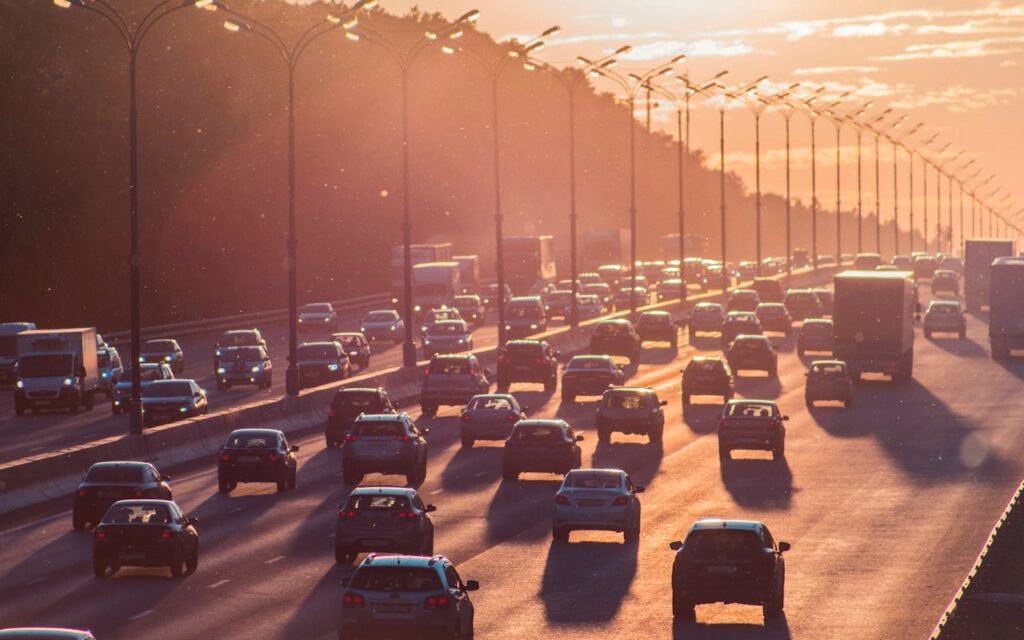
Merging is a two-way street. When you are already on the freeway and see someone merging, help them out when it is safe. Move one lane over if traffic allows, or adjust your speed slightly so they have room. In heavy, slow traffic, many drivers follow a zipper pattern, taking turns as lanes merge. Small courtesies like these make freeways safer for everyone.
Key takeaway: On a freeway, matching speed is safety. Signal early, use the whole ramp to accelerate, check your mirror and blind spot, then blend in with confidence.
Building freeway confidence
Like any skill, merging gets easier with repetition. Here is the order we use with most GreenLight students:
- Start on wide, quiet roads with higher speed limits to get used to driving faster.
- Practice merging on early weekend mornings, when freeways are nearly empty.
- Move on to midday weekday traffic once the routine feels natural.
- Add exits, lane changes and longer freeway drives.
- Finally, practice in heavier traffic with an experienced driver beside you.
Exiting deserves a quick mention too. Plan your exit early, move into the correct lane well ahead of time, signal and then slow down on the off-ramp, not on the freeway itself. Many off-ramps have lower speed limits and tighter curves, so watch for posted signs.
Parents practicing with a teen should keep instructions simple during a merge. Talk through the plan before you reach the ramp, then use short prompts like “signal,” “speed up” or “check” instead of long explanations. Too many words in the moment can overwhelm a new driver.
If freeway driving still makes your heart race, you are not alone, and you do not have to figure it out on your own. Our freeway confidence lesson spends ninety minutes on nothing but on-ramps, merges, lane changes and exits, with a calm instructor and a dual-brake car. Many students tell us it was the lesson that made them feel like real drivers. Speed up, look, blend. You have got this.


Start the conversation