Five Things Worth Paying More For
A good coat, real leather boots and three other pieces that get better every year you wear them.
 June Calloway6 min read

June Calloway
June writes about clothes, craft and the people who make things slowly and well.


The cheapest wardrobe is the one you never have to replace. These five pieces cost more on day one and far less over ten years. We have all bought the bargain sweater that pilled after three washes, the boots whose soles cracked by the second winter, the coat that looked fine in the store and shapeless by spring. Each was inexpensive. Together, replaced again and again, they add up to more money than a few good pieces would have cost in the first place, and a great deal more waste.
Buying fewer, better things is not about luxury labels or chasing a particular look. It is about choosing well-made pieces in natural materials, caring for them, and wearing them until they are worn out, then mending them and wearing them some more. To help us choose, we spoke with Nadia Brooks, a clothing designer in Philadelphia, Pennsylvania, who runs a small studio making simple, durable garments and teaches mending workshops on weekends. Here are the five pieces she believes are worth paying more for, and how to tell quality from clever marketing.
 Sponsored · Hearthside CandlesHand-poured in VermontTwelve new fall scents, out now.Shop candles
A wool coat
Pure wool, a simple cut and a dark color. Have it brushed and repaired instead of replacing it. A good wool coat is warm, naturally water resistant and remarkably durable. Wool fibers spring back into shape, resist wrinkles and do not hold odors the way many synthetic fabrics do. A coat made from tightly woven wool can easily last ten or fifteen winters with basic care.
Nadia advises choosing a classic shape, such as a straight-cut overcoat or a simple wrap style, that will not look dated in a few years. Navy, charcoal, camel and black go with everything. Check the label: a high percentage of wool, ideally eighty percent or more, will wear much better than a blend that is mostly polyester. Look at the lining too; a well-made coat is fully lined, with neat seams and buttons sewn on securely.
Caring for it
Brush the coat with a soft clothes brush after wearing it to remove dust, hang it on a wide wooden hanger so the shoulders keep their shape, and let it air out between wears. Dry clean it only when truly necessary, perhaps once a season, since frequent cleaning wears fibers down. When a lining tears or a button comes loose, take it to a tailor. A small repair costs far less than a new coat.

Buy it once, wear it for a decade and mend it when it tears. That is the whole philosophy.
Nadia Brooks, clothing designer
Leather boots that can be resoled
Look for stitched soles. A good cobbler can give them a second and third life. Many inexpensive shoes have soles glued directly to the upper, which means that when the sole wears through, the whole shoe goes in the trash. Boots with a stitched sole, where the sole is sewn to the upper through a strip of leather called a welt, can be taken apart and given a brand new sole again and again.
Full-grain leather is the most durable kind. It shows the natural surface of the hide and develops a rich patina as it ages, softening and molding to your feet. Good boots may feel stiff at first and need a few weeks of breaking in, so wear them around the house for short periods before taking them on a long walk.
Care is simple. Wipe off mud and salt after wearing, let boots dry naturally away from radiators, use cedar shoe trees to absorb moisture and keep their shape, and condition the leather a few times a year. When the heels begin to wear down, take them to a cobbler before the damage reaches the sole. A resole usually costs a fraction of the price of new boots.
Sponsored · Hearthside CandlesHand-poured in VermontTwelve new fall scents, out now.Shop candlesA heavy cotton sweater, a linen shirt and a canvas bag
Natural fabrics that soften, fade beautifully and never look trendy. These three pieces round out the list, and together they cover much of everyday life.
The sweater
A thick, tightly knit cotton sweater is comfortable from early fall through late spring and holds up to years of washing. Look for a dense knit that springs back when you stretch it, and avoid thin, loosely knit sweaters that lose their shape quickly. Wash in cool water and lay flat to dry.
The shirt
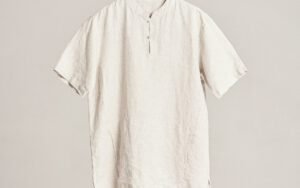
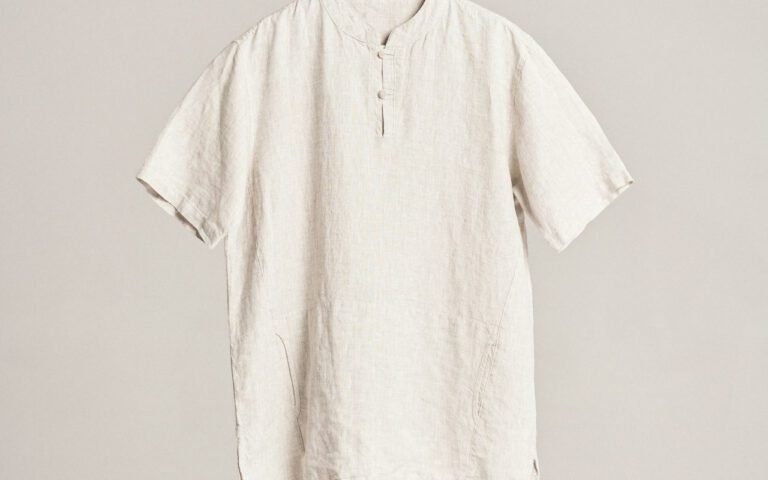
Linen is one of the oldest fabrics in the world and one of the most durable. It gets softer with every wash, keeps you cool in summer and looks even better slightly rumpled. A good linen shirt in white, blue or natural oatmeal works for almost any occasion, tucked into trousers or thrown over a swimsuit at the beach.
The bag
A heavy canvas tote with sturdy handles and reinforced stitching will carry groceries, library books and gym clothes for many years. Waxed canvas adds water resistance. Check that the handles are stitched through the body of the bag, not just at the top edge, since that is where cheaper bags usually fail.

How to choose
Price alone does not guarantee quality. An expensive garment can be badly made, and a modest one can last for decades. Nadia teaches her students to look closely before buying, and to ask a few simple questions:
- Check the seams and the label before you buy
- Ask: will I wear this thirty times?
- Keep a mending kit by the door
Turn a garment inside out and look at the seams. They should be straight, even and finished so they will not fray. Gently pull on a seam; if you can see gaps between stitches, it may not last. Read the fabric content and care instructions on the label. Feel the weight of the fabric, which is often a good sign of durability.
The thirty-wears test is Nadia’s favorite. Before buying anything, imagine wearing it at least thirty times. If you cannot picture that, it probably is not worth buying, no matter how good the price. A simple mending kit with needles, thread in a few basic colors, spare buttons and small scissors makes it easy to fix a loose button or a small tear right away, before it gets worse.
Building a wardrobe like this takes time, and that is part of the point. Nadia suggests replacing items only as they wear out, choosing one better piece each season rather than overhauling everything at once. Secondhand and vintage shops are excellent places to find well-made wool coats, leather boots and linen shirts at a fraction of their original price, often with years of wear left in them. Set aside a little money each month for the pieces you know you will need, and you will rarely be tempted by a cheap substitute.
Key takeaway: Buy fewer things in natural materials, choose pieces that can be repaired, and divide the price by the number of years you will wear them.
Wearing it well
The pieces on this list are not exciting in the way a new trend can be. They are quiet, practical and dependable. But there is a particular pleasure in pulling on a coat you have worn for a decade, or boots that have been resoled twice and fit like nothing else. They carry the memory of every season you have spent in them.

Nadia’s own wool coat is fourteen years old. The lining has been replaced once, the buttons twice and the elbows patched with a darker wool. She says people stop her on the street to ask where she bought it. Her answer is always the same: a long time ago, and she has no plans to buy another.
June Calloway
June writes about clothes, craft and the people who make things slowly and well.


2 Comments
Sharing this with my friends.
Saved this one for later. Really useful.