



 DIY ProjectsBuild Your First Raised Garden BedWood, soil and what to plant first.

Written by
June Alvarez
June keeps six hens, three raised beds and one very loud rooster (illegally, she admits).
6Articles
2026Writing since
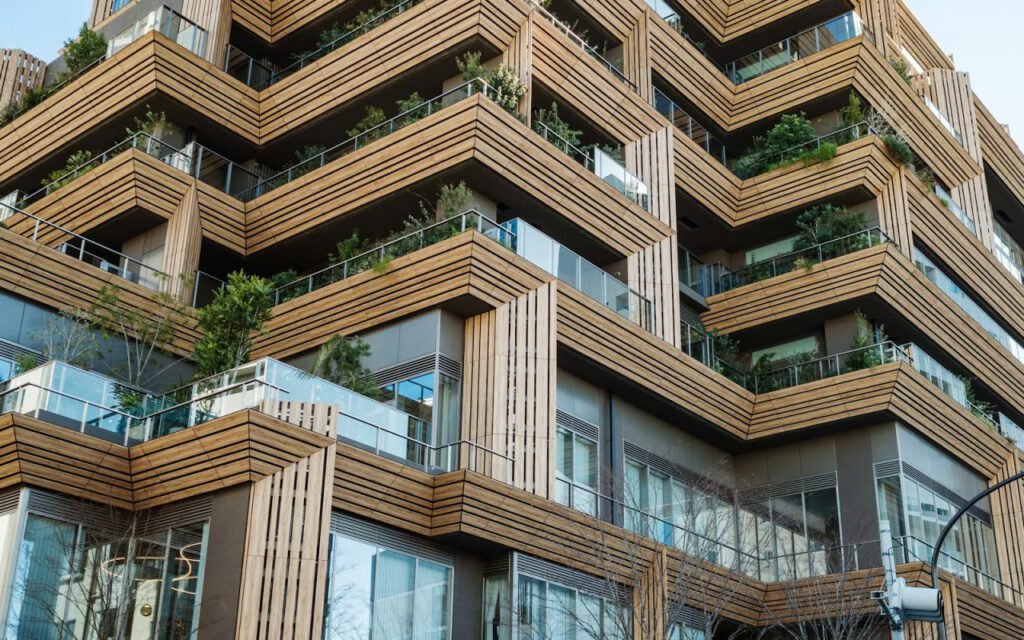
A balcony can grow tomatoes, herbs and flowers, and mine grew all three last summer on a ledge no bigger than a parking space. Four stories up in a Denver apartment building, with a railing, a folding chair and afternoon sun, I picked cherry tomatoes through August and kept a jar of fresh basil on the kitchen counter for months. If you’ve ever looked at your balcony and thought it was too small to bother, this guide is for you.
Container gardening is forgiving, flexible and surprisingly productive. The secret is simple: big pots, light soil and lots of water. Get those three things right and almost anything you want to grow will have a fighting chance.
Read your balcony first
Before buying a single plant, spend a day watching your balcony. How many hours of direct sun does it get? Which direction does it face? Is it windy? These details decide what will thrive.
- South- or west-facing with six or more hours of sun: Ideal for tomatoes, peppers, zucchini, strawberries and most herbs.
- East-facing with morning sun: Great for lettuce, spinach, parsley, mint and many flowers.
- North-facing or heavily shaded: Try ferns, impatiens, begonias and leafy greens that tolerate low light.
Wind is the hidden challenge on higher floors. It dries soil fast and can snap tall stems. If your balcony catches strong gusts, choose compact varieties, use heavy pots and consider a simple screen along the railing to soften the breeze.
Bigger is better
Large containers hold moisture longer. It’s the most common mistake I see: a row of tiny, cute pots that dry out by lunchtime on a hot day. Small containers heat up quickly, leave roots cramped and need watering two or three times a day in midsummer.
As a rough guide, a full-size tomato plant needs a container of at least five gallons, and 10 gallons is even better. Peppers and eggplants do well in three- to five-gallon pots. Herbs and lettuce can share a wide, shallow planter about eight inches deep. Whatever you choose, make sure every container has drainage holes. Standing water rots roots faster than drought ever will.
Choosing materials
Plastic and resin pots are light, cheap and hold moisture well. Terra-cotta looks beautiful but dries out quickly and gets heavy. Fabric grow bags are a favorite of mine for balconies: they’re light, breathable and fold flat for winter. Self-watering containers, which have a reservoir at the bottom, are a lifesaver if you travel or work long days.
Check the weight
Wet soil is heavy — know your balcony’s limits. A single large container filled with damp potting mix can weigh more than 100 pounds, and a row of them adds up quickly. Before you fill your balcony, check your lease or building rules, and ask your landlord or building manager if there’s a weight limit. If you own your place, a contractor or structural engineer can tell you what’s safe.
A few habits keep the load manageable:
- Place the heaviest pots near the wall or along the edges where the structure is strongest, not in the middle of the floor.
- Use lightweight potting mix instead of garden soil, which is dense and heavy when wet.
- Choose plastic, resin or fabric containers over stone or concrete.
- Use saucers to catch drips so water doesn’t stain the floor or rain down on neighbors below.
Railing planters are a smart way to add growing space without crowding the floor, but make sure they’re secured to the inside of the railing so nothing can fall.
A balcony garden is proof you don’t need a yard.
Rosa Bell, master gardener (fictional)
Soil, water and food
Never fill containers with dirt from the ground. Garden soil compacts in pots, drains poorly and can carry weeds and pests. Buy a quality potting mix made for containers; it’s light, fluffy and holds both air and water. Some gardeners mix in a few handfuls of compost for extra nutrition.
Watering is where balcony gardens succeed or fail. In summer, check your pots every morning by pushing a finger an inch into the soil. If it feels dry, water slowly until it runs out the bottom. On very hot days, large tomato pots may need a second drink in the evening. A watering can with a long spout makes it easier to reach the soil without splashing leaves.
Because frequent watering washes nutrients out of the pot, container plants need regular feeding. A slow-release fertilizer mixed in at planting, plus a liquid feed every couple of weeks during peak growth, keeps vegetables productive. Always follow the label directions.
What to grow
Look for plant labels that say “patio,” “dwarf,” “compact” or “bush.” These varieties are bred to stay small and still produce well. Here’s a starter lineup that has worked for me:
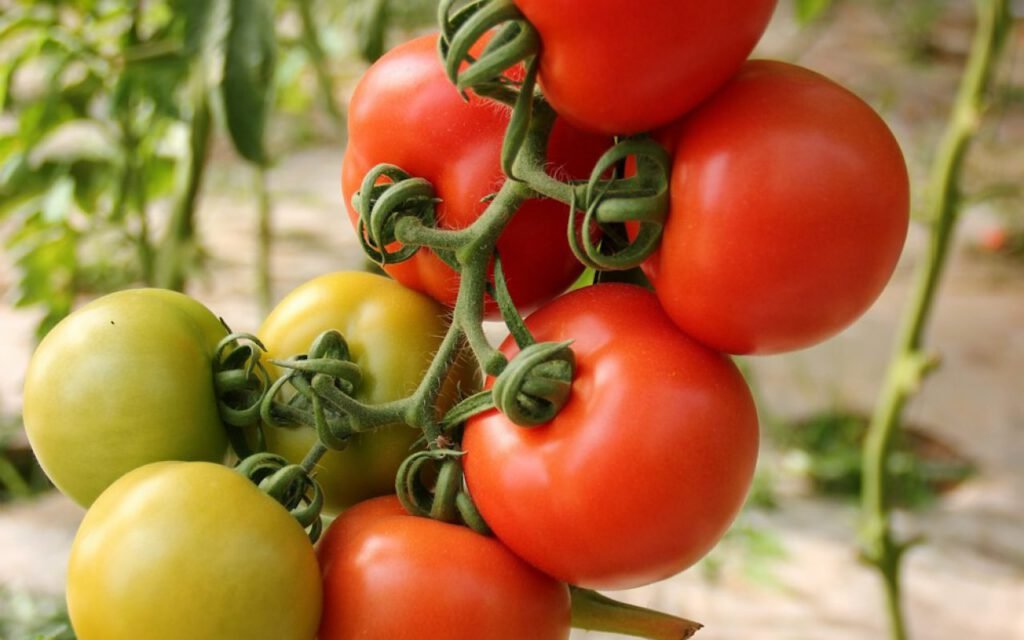
- Cherry tomatoes: One plant in a 10-gallon pot with a sturdy cage can produce handfuls every day in late summer.
- Herbs: Basil, thyme, oregano and chives share a planter happily. Keep mint in its own pot, because it spreads.
- Salad greens: Lettuce and arugula grow fast and can be harvested leaf by leaf.
- Peppers: Small sweet or hot peppers love heat and look ornamental too.
- Flowers: Marigolds, petunias and nasturtiums add color and attract pollinators.
Mix edibles and flowers in the same space. A pot of trailing nasturtiums beside your tomatoes looks lovely, and the blooms bring in bees that help with pollination.
Support, pollination and pests
Tall plants need support from the start. Put cages or stakes in tomato pots at planting time rather than later, when you risk spearing the roots. Soft garden twine or strips of old T-shirt work well for tying stems without cutting into them. On a windy balcony, tie the cage itself to the railing so a gust can’t tip the whole pot over.
High-rise balconies sometimes see fewer bees, which can mean flowers that drop without setting fruit. If your tomatoes and peppers bloom but don’t produce, give the plants a gentle shake around midday, or use a small paintbrush to move pollen from flower to flower. Squash and cucumbers have separate male and female flowers, and hand pollination makes a big difference for them.
Pests are usually lighter on a balcony than in a backyard, but aphids and spider mites can still show up, especially in hot, dry weather. Check the undersides of leaves when you water. A strong spray of water often knocks aphids off, and keeping plants well watered discourages mites. If a problem gets out of hand, ask a local garden center for a gentle, label-approved treatment that is safe to use around your home.
Plan for the whole season
A balcony garden doesn’t have to end when summer does. As tomatoes fade in early fall, replace them with cool-season crops like lettuce, kale, spinach and radishes, which can handle chilly nights. In many parts of the country, you can keep harvesting greens well into November. Pansies and ornamental kale add color through late fall, and a few evergreen shrubs in pots give you something green to look at all winter.
Keep a simple notebook of what you planted, where it sat and how it performed. Next spring, you’ll know which corner gets the most heat, which pots dried out fastest and which varieties were worth the space.
Key takeaway: Choose the biggest pots your balcony can safely hold, fill them with light potting mix and water every morning in summer.
Grow where you are
There’s something special about sipping coffee on a small balcony surrounded by green leaves, ripening fruit and flowers swaying in the breeze. It turns a forgotten slab of concrete into a living room in the sky. Start small, with two or three generous containers, and add more as you learn what your space can do. By the end of the season, you’ll wonder why you ever thought you needed a yard.
Written by
June Alvarez
June keeps six hens, three raised beds and one very loud rooster (illegally, she admits).
6Articles
2026Writing since
Read next
DIY ProjectsBuild Your First Raised Garden BedWood, soil and what to plant first. GardenBackyard Chickens: What Nobody Tells YouCoops, rules and a lot of fresh eggs.
 DIY ProjectsPotting Bench Projects for a WeekendA simple build that organizes everything.
 GardenGrowing Tomatoes: From Seedling to SandwichSun, support and steady water.
 HouseplantsRepotting Houseplants: When and HowRoots, pot size and fresh soil.
 DecorPatio Lighting Ideas for Long Summer NightsString lights, lanterns and safe outdoor wiring.
 DIY ProjectsComposting at Home: Easier Than You ThinkGreens, browns and a little patience.
 GardenStarting Seeds Indoors: A Beginner’s GuideTrays, light and the patience to wait.
 DIY ProjectsBuilding a Simple Fire Pit AreaGravel, chairs and safety rules.
Start the conversation