Ceramic Coating: What It Does and Doesn’t Do
Gloss, easy washing and honest limits.
 Andre Lewis6 min read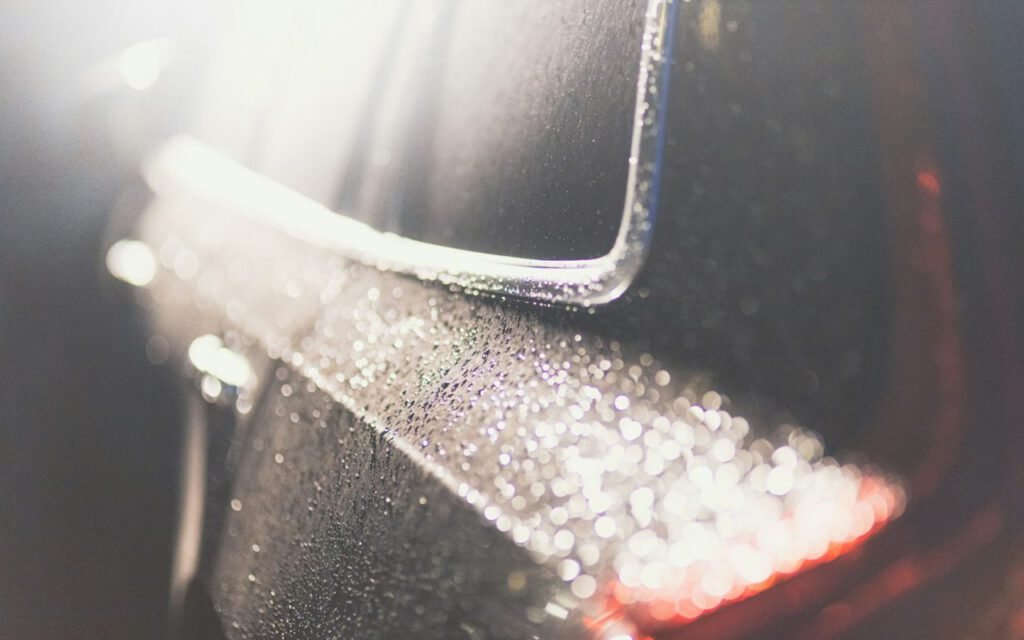

Andre Lewis
Andre has detailed Miami cars since 2016.


Ceramic coatings are amazing, and oversold. Spend a few minutes online and you will see promises of paint that never gets dirty, never scratches and never needs washing again. None of that is true. At the same time, a properly applied coating really can make a car look better and stay easier to care for than almost anything else on the market. The truth sits somewhere between the hype and the skepticism, and that is exactly where we like to start the conversation with every client at Shine Lab Detailing.
Here is the honest version. We will explain what a ceramic coating is, what it does well, where it falls short, and how to decide if it makes sense for your car and your budget. No miracle claims, just what we see in our shop every week.
What a ceramic coating actually is
A ceramic coating is a liquid applied by hand to a car’s painted surfaces, glass, wheels or trim. Once applied, it cures into a thin, hard, transparent layer that bonds to the clear coat. Think of it as a semi-permanent protective shell. It is much thinner than a coat of paint, but it is harder and more durable than traditional wax or most sealants.
Because it bonds to the surface rather than simply sitting on top, a coating lasts much longer. Waxes typically fade in a matter of weeks. Sealants last a few months. A professional-grade coating, maintained properly, can last several years. The exact lifespan depends on the product, how well the paint was prepared and how the car is cared for afterward.
What it does
Deep gloss, water that beads and rolls off, and much easier washing for years. Those three benefits are real, and for most owners they are the reason a coating is worth it.
Deep gloss
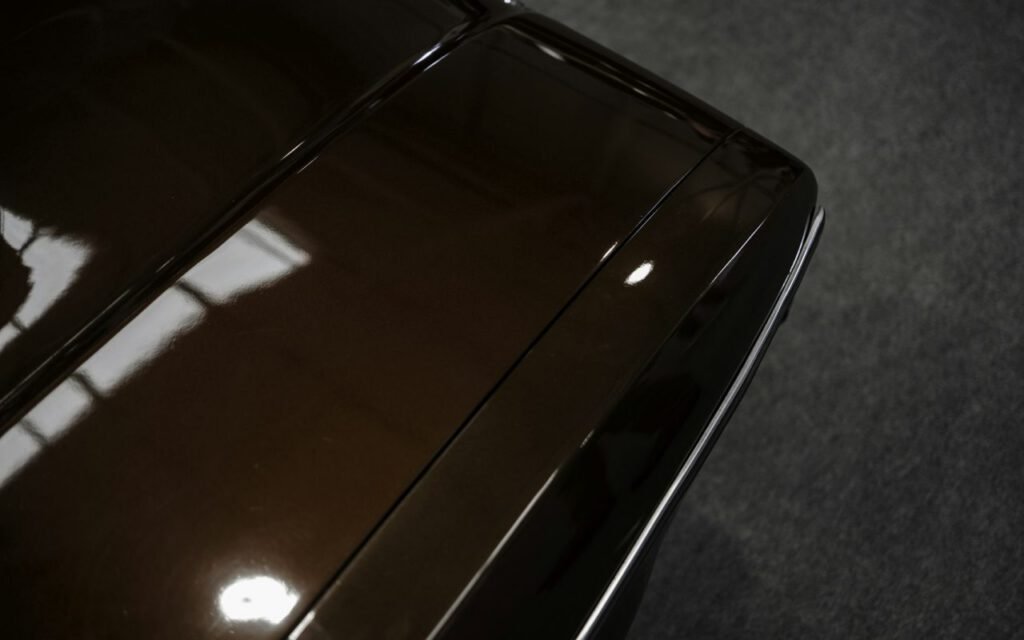
A coating adds a layer of clarity on top of the paint, which enhances reflections and makes colors look richer. Dark colors in particular take on that wet, mirror-like look people love. The gloss also lasts, rather than fading after a few weeks the way wax does.
Water behavior
Coatings are hydrophobic, which means they repel water. Rain and rinse water form tight beads that roll off the surface, carrying some dirt with them. This helps the car stay cleaner between washes and makes drying much faster.
Easier washing
This is the benefit owners appreciate most over time. Bug residue, bird droppings, tree sap and road grime have a harder time bonding to a coated surface. They still land on the car, but they release more easily with a gentle wash. Many clients tell us their weekly wash takes half the time it used to.
Coatings also add some resistance to UV fading and chemical etching from things like bird droppings and hard water. That resistance is helpful, but it is not absolute; quick cleanup still matters.
What it doesn’t
It won’t stop rock chips or deep scratches. That is what paint protection film is for. This is the most important limitation to understand, and it is where a lot of disappointment comes from.
A ceramic coating is very thin. It can help resist light marring and makes the surface a bit tougher, but it cannot absorb the impact of a rock hitting your hood at highway speed. It cannot stop a key scratch, a shopping cart dent or a scrape from a parking garage pillar. If those are your main worries, paint protection film is the better tool. It is a thicker, clear urethane film applied to high-impact areas like the front bumper, hood and mirrors, and it is designed to take hits.
Here are a few other things a coating will not do:
- It will not make your car self-cleaning. You still need to wash it.
- It will not fix existing scratches, swirls or oxidation.
- It will not stop water spots if hard water is left to dry on the paint.
- It will not last forever without proper maintenance.
- It will not replace good washing technique.
Many of our clients choose both: paint protection film on the front of the car, where rock chips happen, and a ceramic coating over the entire vehicle, including the film, for gloss and easy cleaning.
Preparation is everything
Paint correction first, coating second. Never the other way around.
Andre, lead detailer
Andre says this to every client who asks about coatings, because it is the step that makes or breaks the result. A ceramic coating locks in whatever is underneath it. If your paint has swirl marks, light scratches or haze, the coating will seal those flaws in place and make them more visible under all that new gloss.
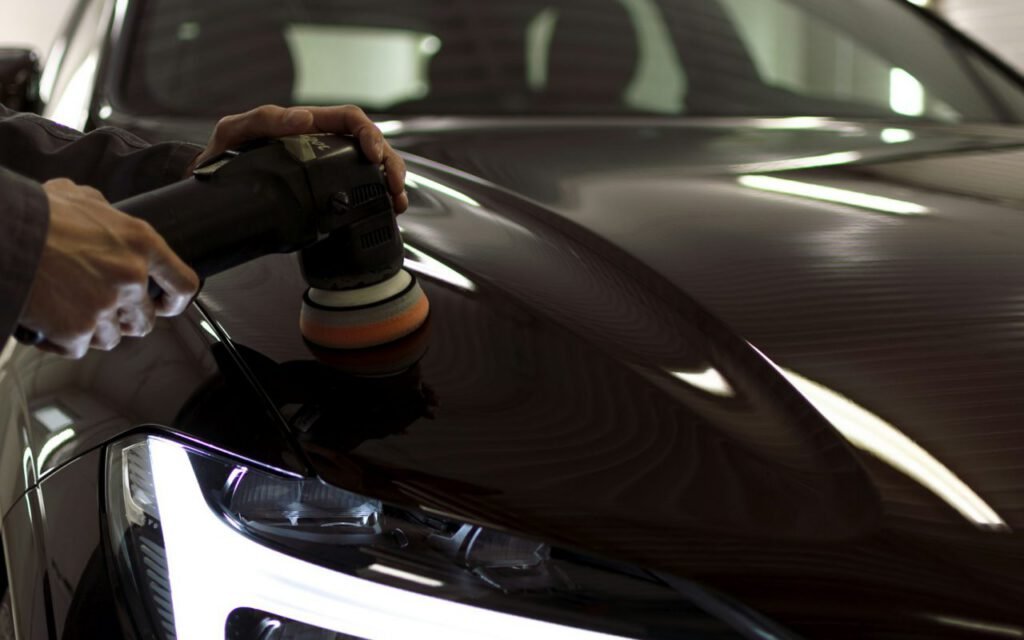
Before we apply a coating, the car goes through a thorough preparation process:
- Decontamination wash: removes dirt, grime and embedded iron particles.
- Clay treatment: pulls bonded contaminants from the paint so it feels smooth as glass.
- Paint correction: machine polishing to remove swirls, scratches and haze.
- Panel wipe: a special cleaner removes polishing oils so the coating can bond.
- Coating application: applied panel by panel in a controlled environment.
- Curing: the car stays indoors so the coating can set properly.
This is why a professional coating takes time, often one to three days depending on the condition of the paint. Rushing preparation is the most common reason coatings disappoint.
Living with a coated car
A coating makes maintenance easier, but it still needs some care to last. Wash the car regularly with a pH-balanced shampoo, using the two-bucket method and a soft mitt. Avoid automatic car washes with brushes, which can scratch even coated paint. Remove bug residue and bird droppings promptly. And dry with clean microfiber towels or filtered air.

The first week matters most. Many coatings need several days to fully harden, so keep the car out of the rain if you can, skip washing for about a week and wipe off bird droppings gently with a damp microfiber towel as soon as you spot them. Your detailer will give you the exact timeline for the product they used. Following it carefully helps the coating reach its full strength and last as long as it should.
Most professional coatings benefit from a periodic inspection and a maintenance product, often called a topper, every few months. It refreshes the slickness and water behavior. Ask your detailer what your specific coating needs; good shops will give you clear written care instructions.
Key takeaway: A ceramic coating gives you lasting gloss and easier washing, but it does not stop chips or scratches, and it only looks as good as the paint underneath it.
Gloss, easy washing and honest limits
Is a ceramic coating right for you? If you plan to keep your car for several years, want it to look glossy with less effort and are willing to wash it properly, it is one of the best investments you can make in its appearance. If your main concern is rock chips or road damage, start with paint protection film. And if your budget is tight, a quality sealant applied twice a year is a solid, affordable alternative.
Whichever route you choose, start with an honest inspection. At Shine Lab Detailing, we will look at your paint under proper lighting, explain what correction it needs and walk you through your options without the hype. Paint correction first, coating second. Never the other way around.
Andre Lewis
Andre has detailed Miami cars since 2016.



Start the conversation