


 The PlanetWildfire Season Is Starting Earlier. Here’s How the County Is PreparingNew evacuation zones, cameras on ridgelines and a text-alert system go live this month.
The City Iris Holloway6 min read
Bike Commuting: Getting Started in Your City
Routes, gear and arriving not-too-sweaty.
Iris Holloway6 min read

Written by
Iris Holloway
Iris has edited Northwind Weekly since 2015 and still reads every letter.
7Articles
2026Writing since
Many car trips are short enough to bike. A run to the grocery store, the morning drive to a coffee shop or the commute to an office a few miles away often takes about as long on two wheels once you count parking, traffic lights and the walk from the lot. Commuting by bike saves money and cuts emissions, and many riders say it also turns the most stressful part of the day into one of the most enjoyable.
Getting started can feel intimidating, though. Questions pile up quickly: Which streets are safe? What should I wear? What if it rains? Where do I leave the bike? This guide covers the basics for first-time bike commuters in American cities, from planning a route to building a habit that lasts. You do not need an expensive bike, special clothes or a perfect bike-friendly city to begin. You need a plan and a little practice.
Advertisement Sponsored · Fernhill BooksIndependent since 1974Free shipping on orders over $35.Shop books
Sponsored · Fernhill BooksIndependent since 1974Free shipping on orders over $35.Shop booksStart with the right bike
The best commuting bike is usually the one already in your garage, as long as it fits you and works safely. Before your first ride, take it to a local bike shop for a tune-up or check the basics yourself: tires inflated to the pressure printed on the sidewall, brakes that stop firmly, a chain that is clean and lightly oiled and a seat set at a comfortable height.
If you are buying, think about your route. A hybrid or city bike with an upright position, wider tires and mounts for racks and fenders suits most commutes. Hilly routes or long distances might make an electric bike worth considering, since the motor assist flattens hills and helps you arrive without being drenched in sweat. Many cities and utilities offer rebates on e-bikes, so check before you shop.
Fit matters more than price. A bike that is too big or too small strains your back, knees and wrists, and that discomfort is one of the main reasons new riders give up. When you stand over the frame, you should have a little clearance, and when you pedal, your knee should stay slightly bent at the bottom of the stroke. Shop staff can help with these adjustments in a few minutes.
Do the math
It can be motivating to estimate what you might save. Add up what a typical commute costs in gas, parking and wear on your car, then compare it with the modest upkeep of a bike: a tune-up once or twice a year, the occasional tire and a few accessories. Even riding a couple of days a week can add up over a year, and some riders eventually find they can get by with one fewer car in the household.
AdvertisementSponsored · Fernhill BooksIndependent since 1974Free shipping on orders over $35.Shop books
Sponsored · Fernhill BooksIndependent since 1974Free shipping on orders over $35.Shop booksPlan your route
Look for bike lanes and quiet streets. A slightly longer route can be much safer. The fastest way to work by car is rarely the best way by bike. Busy arterial roads with fast traffic and frequent driveways are stressful even for experienced riders, while a parallel residential street a block or two over may be calm and pleasant.

Most map apps offer a cycling mode that favors bike lanes, trails and lower-traffic streets. Many cities also publish free bike maps that rate streets by comfort level. Use these as a starting point, then refine the route with your own experience.
Do a weekend test ride
Before your first commute, ride the route on a weekend morning when traffic is light and there is no pressure to arrive on time. Note tricky intersections, hills, good places to cross and how long the trip takes. You will feel far more confident on Monday knowing exactly where you are going.
Start with one day a week. The habit grows on its own.
Bike advocate (fictional)
Gear basics
Lights, a lock, a helmet and a rack or bag. That short list covers nearly everything a new commuter needs. Here is a little more detail on each:
- Lights: a white front light and a red rear light, even during the day. Many states require them after dark, and they help drivers see you at dawn, dusk and in bad weather.
- A good lock: a sturdy U-lock is a common choice. Lock the frame and at least one wheel to a solid, fixed rack.
- A helmet: choose one that fits snugly and meets safety standards. Replace it after any crash.
- A rack or bag: panniers or a basket keep weight off your back, which means less sweat and better balance than a backpack.
- Fenders: optional but wonderful, since they keep road spray off your clothes on wet days.
- A basic repair kit: a spare tube, tire levers and a small pump, plus the know-how to use them.
As you ride more, you may want extras such as a bell, a rain jacket or gloves for cold mornings, but there is no need to buy everything at once.
Riding safely in traffic
Confidence in traffic comes from predictable riding. Drivers respond best to cyclists who behave like vehicles: riding in the same direction as traffic, stopping at signals, signaling turns and holding a steady line.
- Ride outside the door zone. Stay far enough from parked cars that a suddenly opened door will not hit you.
- Make eye contact. At intersections and driveways, try to see the driver’s face before assuming they have seen you.
- Use hand signals. Point clearly before turning or changing lanes.
- Watch for right hooks. Be careful when a car passes you and then turns right across your path.
- Know local laws. Rules on sidewalk riding, lane positioning and lights vary by state and city.
Many cities and community groups offer free or low-cost urban cycling classes. Even an hour of instruction can make a big difference in how comfortable you feel.
Arriving fresh and parking smart
The worry about showing up sweaty keeps a lot of people off their bikes. A few simple strategies help. Ride at an easy, conversational pace; commuting is not a race. Carry work clothes in a pannier and change when you arrive. Keep a small kit at your desk with deodorant, a towel and a spare shirt. On hot days, leave a little earlier to ride in cooler air.

Ask your employer whether there is secure bike parking, a storage room or a shower. Some workplaces offer commuter benefits or have lockers. If you are parking on the street, choose a well-lit, busy rack and take lights and other removable items with you.
Handling the weather
Rain gear, fenders and a waterproof bag make wet days manageable, and in cold weather layers work better than one heavy coat. Still, it is fine to skip riding when conditions are truly bad. A flexible approach, such as biking on dry days and taking transit or driving on stormy ones, keeps commuting enjoyable rather than a chore.
Key takeaway: pick a calm route, ride it on a weekend first, gear up with lights and a lock and begin with one day a week.
Let the habit grow
Most long-time bike commuters did not start by riding every day. They began with one trip, then one day a week, then a few more as the routine felt natural. Along the way, they discovered small rewards: the fresh air, the quiet streets, the money saved on gas and parking and the satisfaction of arriving with a clear head. Every short car trip replaced by a bike ride also means less traffic and fewer emissions in your neighborhood. Pump up the tires, plan your route and pick a day this week to give it a try.
Written by
Iris Holloway
Iris has edited Northwind Weekly since 2015 and still reads every letter.
7Articles
2026Writing since
Read next
The PlanetWildfire Season Is Starting Earlier. Here’s How the County Is PreparingNew evacuation zones, cameras on ridgelines and a text-alert system go live this month. The CityCity Council Passes $2.1 Billion Transit Budget After Late-Night VoteThe plan adds three bus rapid-transit lines and keeps fares flat through 2028 — but leaves…
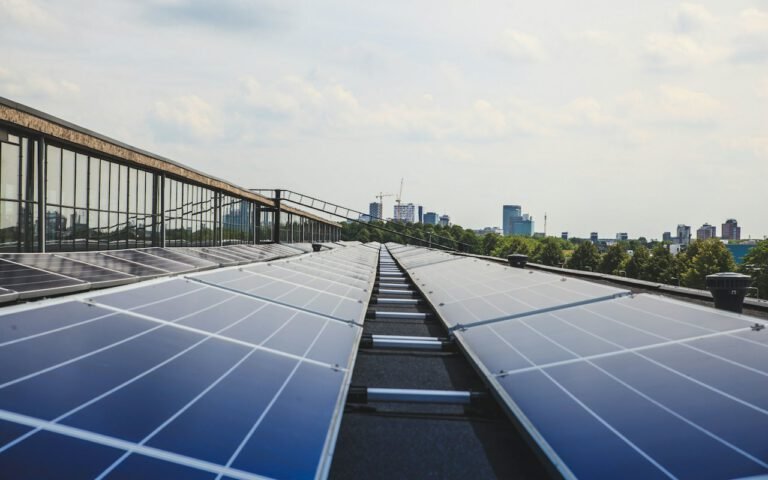 The PlanetA Neighborhood Solar Co-op Signs Up Its 500th HomeBy buying panels together, homeowners are saving about 25 percent on installation.
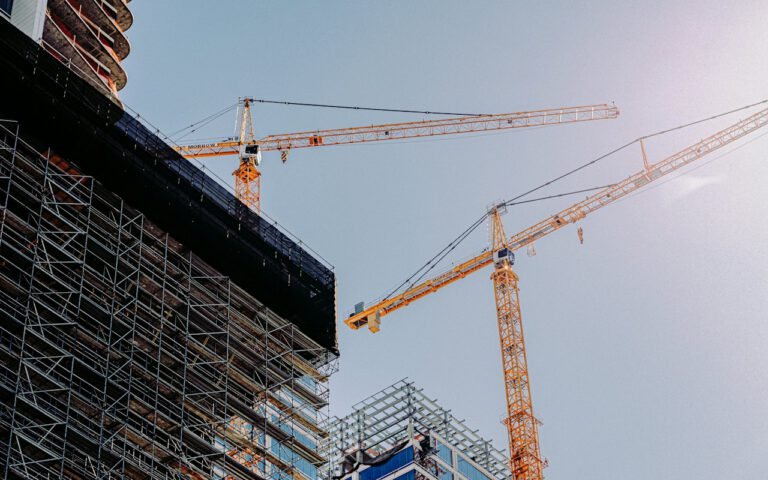 The CityInside the Plan to Turn Empty Downtown Offices Into 1,200 ApartmentsDevelopers say converting three towers will take four years. Neighbors want to know who will be…
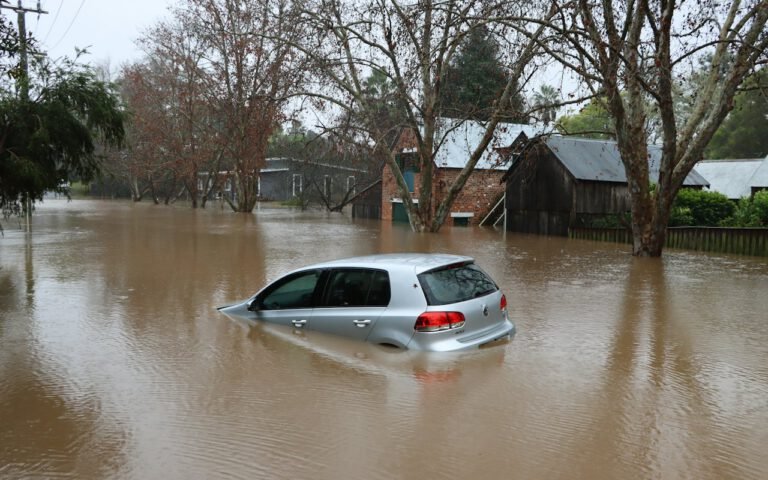 The PlanetFlood Maps Are Being Redrawn. Thousands of Homes Could Need InsuranceDraft maps add about 4,800 properties to the high-risk zone. Owners have 90 days to appeal.
 The CityFirefighters Contain Warehouse Blaze on the East Side; No Injuries ReportedMore than 80 firefighters spent the night battling the four-alarm fire, which sent smoke across three…
 Books & IdeasOpinion: Every Neighborhood Deserves a Library Open on SundaysSunday is the one day families are free. Most of our branches are closed.
 The PlanetComposting 101: Turning Scraps Into SoilCut food waste and feed your garden.
 The CityHigh Schools Will Start 45 Minutes Later Next YearThe board voted 6–1 to move the first bell to 8:30 a.m., citing research on teen…
Start the conversation