


 The PlanetWildfire Season Is Starting Earlier. Here’s How the County Is PreparingNew evacuation zones, cameras on ridgelines and a text-alert system go live this month.
The Planet Eli Sanders6 min read
A Neighborhood Solar Co-op Signs Up Its 500th Home
By buying panels together, homeowners are saving about 25 percent on installation.
Eli Sanders6 min read

Written by
Eli Sanders
Eli has hiked every trail in this magazine at least twice.
9Articles
2026Writing since
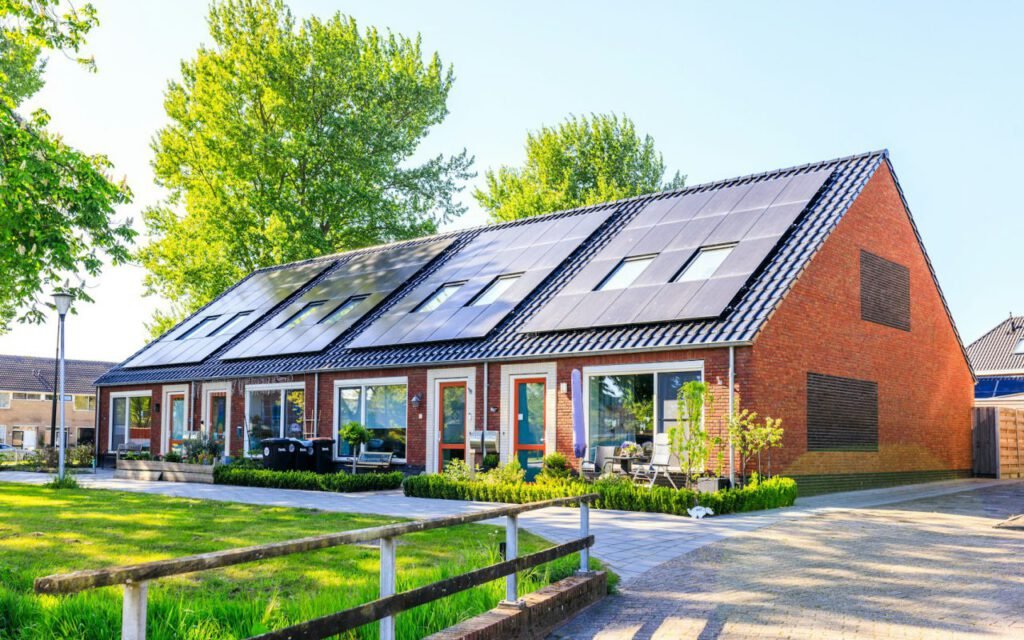
What began as a group of neighbors comparing quotes at a block party has become one of the state’s largest residential solar co-ops. Four summers ago, a handful of homeowners on a single street in a Sacramento suburb realized they had all been researching rooftop solar on their own, collecting estimates that varied wildly and struggling to make sense of panels, inverters and financing terms. Someone suggested they compare notes. Someone else suggested they buy together.
The Sunny Side Solar Co-op signed its 500th home last week. Members choose one installer through an open bid and get a group discount of about 25 percent. The milestone household, a retired couple in a ranch house a few miles from where the idea started, will see panels on their roof by early winter. Organizers say the waiting list for the next round already has more than 80 names.
Advertisement Sponsored · Fernhill BooksIndependent since 1974Free shipping on orders over $35.Shop books
Sponsored · Fernhill BooksIndependent since 1974Free shipping on orders over $35.Shop booksFrom block party to buying group
Hannah Price, the co-op’s founder, remembers the evening clearly. She had three quotes for her own roof spread across the picnic table, and none of them used the same equipment or the same assumptions about her electricity use. Her neighbors had the same problem.
“We realized we were all doing the same homework separately,” Price said. “If twenty of us asked for one price together, installers would have a reason to sharpen their pencils, and we could share what we learned.”
The first round included 23 homes. The group wrote a simple request for proposals, invited local installers to bid and asked a retired electrical engineer from the neighborhood to help compare the responses. The winning installer offered a discount for the volume of work and agreed to a standard equipment list and warranty terms for every household. Word spread quickly through neighborhood email lists, school pickup lines and the farmers market.
How it works
Members pay nothing to join. A volunteer committee reviews bids, and each household signs its own contract with the winning installer. That structure is central to the co-op’s model. The group negotiates as a bloc, but it never takes a cut, handles money or owns any equipment. Every homeowner remains free to walk away at any stage.
AdvertisementSponsored · Fernhill BooksIndependent since 1974Free shipping on orders over $35.Shop books
Sponsored · Fernhill BooksIndependent since 1974Free shipping on orders over $35.Shop booksA typical round follows the same steps:
- Sign-up: households join an open round, usually lasting about three months.
- Open bid: the committee invites local installers to submit proposals with set equipment standards and pricing.
- Selection: volunteers score bids on price, equipment quality, warranties, local reputation and customer service, then hold a public meeting to explain the choice.
- Site visits: the chosen installer evaluates each roof and offers an individual proposal at the group rate.
- Decision: each household decides on its own whether to sign. There is no obligation.
Not every home qualifies. Heavy shade, an aging roof or an unusual electrical panel can change the math, and the co-op encourages members to fix or replace older roofs before adding panels. Members are also encouraged to talk to a tax professional about any incentives and to read their contract carefully before signing.
Nobody wants to research inverters alone on a Sunday. Together it’s easy.
Hannah Price, co-op founder
The volunteer committee rotates every year, and members with relevant experience are encouraged to serve. Past committees have included electricians, roofers, accountants and a former utility customer service representative. Bid scoring sheets and the committee’s notes are shared with all members at the end of each round, which organizers say builds trust and helps the next committee learn from the last.
The co-op also asks installers to agree to a few ground rules for each round: no high-pressure sales tactics, written proposals that use the same format for every home and a clear explanation of what happens if a project is delayed or a roof turns out to be unsuitable. Installers who break those rules are not invited back. Organizers say that has happened only once, and members noticed the difference right away.
Education is half the job
Volunteers say the group discount is what gets people in the door, but the shared knowledge is what keeps them coming back. Each round includes several free information sessions held at libraries, churches and community centers, where members can ask basic questions without a sales pitch.
Topics range from how net metering works to what happens to panels during a power outage. Recent sessions have focused on home batteries, which are drawing more interest as utility rate structures change. Volunteers also help members read their own utility bills, a step that often surprises people.
Marcus Delgado, a high school science teacher who joined in the second round and now chairs the bid committee, said many members arrive overwhelmed. “People are worried they are going to get it wrong,” he said. “Once they see a dozen neighbors going through the same process, the fear drops away. They can walk next door and look at a finished system.”
What members say they learned
- Comparing quotes is easier when every bid uses the same equipment standards.
- Roof condition and shade matter as much as the price of the panels.
- Understanding your own electricity use helps size a system correctly.
- Warranties and the installer’s track record deserve as much attention as cost.
- Talking to neighbors who already have panels is the fastest way to answer practical questions.
A ripple through the neighborhoods
With 500 homes signed, the co-op’s footprint is now visible from the street. On some blocks, more than a third of the houses have panels. Local officials have noticed. A county sustainability coordinator said the group has helped streamline permitting by working with installers to submit consistent, complete applications.
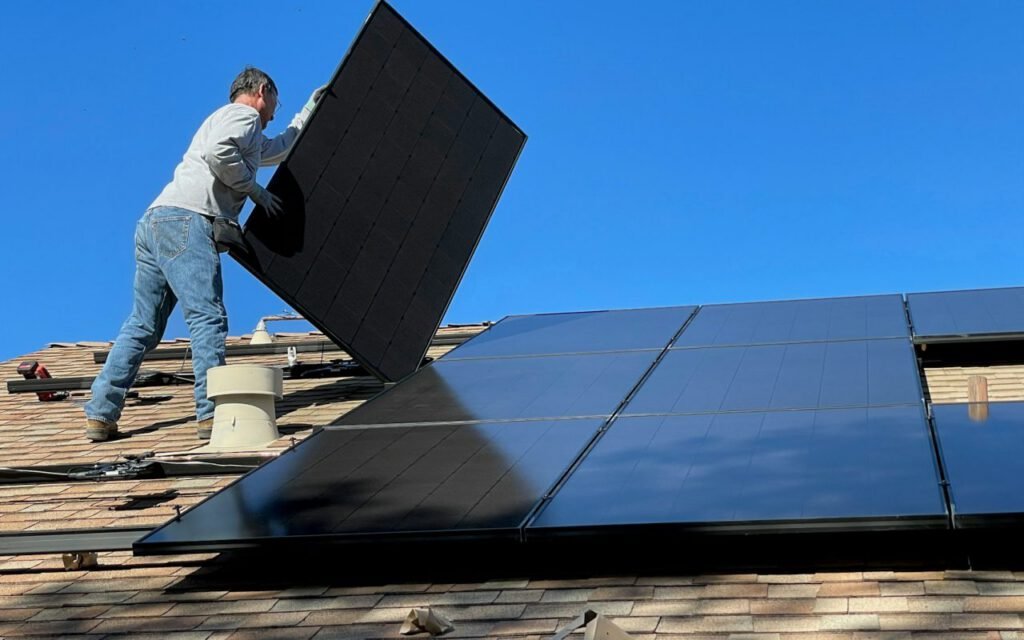
The installers benefit as well. Clustering jobs geographically means less travel time and more predictable scheduling. Rebecca Holt, operations manager at the installer chosen for the most recent round, said the volume lets her team plan crews months in advance. “We know exactly what equipment we need and roughly where we will be each week,” she said. “That efficiency is what makes the discount possible.”
Not everyone has been able to join. Renters and condo owners, who often cannot add panels on their own, have asked the co-op for options. Organizers say they are exploring community solar subscriptions and partnerships with apartment owners as possible next steps.
What comes next
The co-op’s next round opens in January, and volunteers hope to sign at least 150 more households by summer. They are also publishing a free organizer’s guide so neighborhoods in other parts of the state can launch their own buying groups using the same model.
Price says she never expected the idea to grow this large, and she still runs many of the information sessions herself. Her advice to anyone thinking about starting something similar is simple: begin with the neighbors you already know, keep the process transparent and let each household make its own decision.
Key takeaway: buying together gave hundreds of families a better price, but the real value has been shared knowledge and the confidence to make a big decision with neighbors by their side.
For the household that became number 500, the decision came down to a conversation over the back fence. Their neighbor had installed panels two rounds earlier and offered a tour. A week later, they signed up.
Written by
Eli Sanders
Eli has hiked every trail in this magazine at least twice.
9Articles
2026Writing since
Read next
The PlanetWildfire Season Is Starting Earlier. Here’s How the County Is PreparingNew evacuation zones, cameras on ridgelines and a text-alert system go live this month.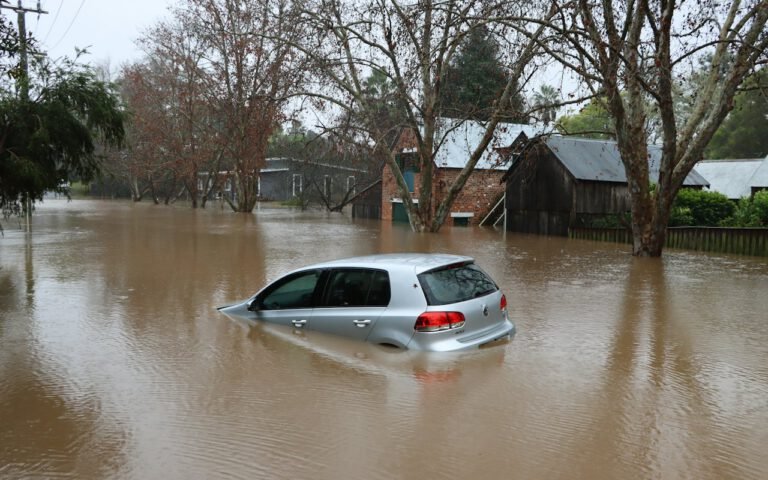 The PlanetFlood Maps Are Being Redrawn. Thousands of Homes Could Need InsuranceDraft maps add about 4,800 properties to the high-risk zone. Owners have 90 days to appeal.
 The PlanetComposting 101: Turning Scraps Into SoilCut food waste and feed your garden.
 The CityBike Commuting: Getting Started in Your CityRoutes, gear and arriving not-too-sweaty.
2 Comments
Thanks for explaining this so clearly.
Great reporting — please keep following this story.