 Carlos Medina6 min read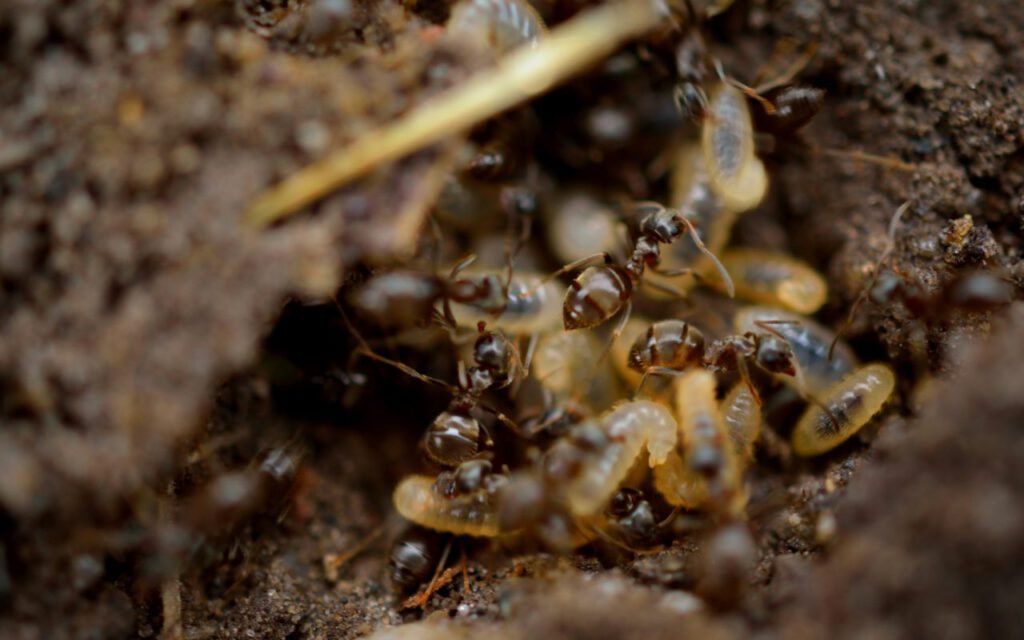
Spring swarms are the first sign most Florida families see. One warm evening after a rain shower, a cloud of tiny winged insects rises from a crack near the back door, flutters around the porch light and disappears by morning, leaving a scatter of wings on the windowsill. By then, termites may have been busy for years. At Guardline, we get more calls in March, April and May than in any other stretch of the year, and many of them start with the same sentence: “I think I saw flying ants.”
Florida is one of the most termite-active states in the country. Our warm, humid climate, sandy soil and long rainy season give colonies everything they need to thrive almost year-round. Most homes in the Tampa Bay area will face termite pressure at some point, whether they are brand-new builds or 1950s bungalows. The good news is that termite damage happens slowly, and homeowners who know what to look for can catch problems early, when treatment is simpler and repairs are smaller.
Know your Florida termites
Before we get into warning signs, it helps to know who you are dealing with. Florida homeowners mainly run into three kinds of termites, and each behaves a little differently.
- Subterranean termites live in the soil and travel into homes through mud tubes. They are the most common type across the state and cause the majority of damage.
- Formosan termites are an aggressive type of subterranean termite with very large colonies. They can do serious damage in a shorter time and sometimes build nests inside walls.
- Drywood termites live entirely inside the wood they eat, with no contact with the soil. They are common in coastal areas and often show up in attics, window frames and furniture.
Because the treatment for each type is different, the first step in any termite plan is identifying which one you have. That is something a licensed inspector can do in a single visit, usually by looking at the wings, the droppings or the pattern of damage.
Termites are not all bad news. In the woods, they are an important part of the ecosystem, breaking down fallen trees and returning nutrients to the soil. The trouble starts only when a colony decides that your floor joists, door frames or attic rafters look like one more fallen log. Our job, and yours as a homeowner, is simply to make sure they keep their work outside where it belongs.
Swarmers and wings
Piles of tiny wings on windowsills in spring are a classic warning sign. Swarmers are winged adult termites that leave a mature colony to mate and start new ones. Subterranean termites usually swarm during the day in spring, often after rain. Formosan termites tend to swarm on warm, humid evenings from late spring into summer, and they are strongly attracted to lights.
Swarmers do not live long, and they do not damage wood themselves. But a swarm inside your home is a strong sign that a colony is nearby, and possibly already inside your walls. If you see swarmers outdoors in your yard or on a tree stump, that is less urgent, though it is still a reminder that termites are active in your neighborhood.

A quick tip from our technicians: termite swarmers and flying ants look alike, but there are easy ways to tell them apart. Termites have straight antennae, a thick waist and two pairs of wings that are the same length. Flying ants have bent antennae, a pinched waist and front wings that are longer than the back ones. If you can, save a few wings or bodies in a sealed plastic bag so your inspector can take a look.
A yearly termite inspection costs less than one damaged floor joist.
Carlos
Mud tubes
Pencil-width dirt tubes on the foundation are termite highways. Do not scrape them off — call for an inspection. Subterranean termites need moisture to survive, so they build these tunnels out of soil, saliva and bits of wood to travel between their underground colony and the wood in your home without drying out.
Mud tubes often show up on foundation walls, along slab edges, on pier blocks in a crawl space, inside the garage or behind loose baseboards. They can be easy to miss if landscaping, mulch or stored boxes block your view. Once a month, it is worth taking a slow walk around your home with a flashlight, paying special attention to shady corners and areas where soil or mulch touches the house.
Why not just break them open? Damaging a tube might make the termites relocate, which can make it harder for an inspector to find the active areas and plan the most effective treatment. Leave the tube in place, snap a photo and give us a call.
Signs to look for
Termites are quiet, and they work from the inside out. These are the most common clues we find during inspections across Tampa Bay:
- Discarded wings
- Mud tubes on walls
- Hollow-sounding wood
- Bubbling paint
- Tiny droppings like sawdust
Hollow-sounding wood is a good one to check yourself. Tap baseboards, door frames and window sills with the handle of a screwdriver. Solid wood gives a firm, sharp sound. Wood that has been hollowed out sounds papery or dull. Bubbling or peeling paint can look like water damage, and sometimes it is, but termites also bring moisture into the wood they eat. Small piles of droppings that look like sawdust or coffee grounds, especially beneath windows or in the attic, are a classic sign of drywood termites.

How to lower your risk
No home in Florida is completely termite-proof, but a few habits make your house far less inviting. Most of them cost little or nothing and take only a few minutes.
- Keep mulch, soil and plants a few inches away from your foundation and siding.
- Fix leaky outdoor faucets, AC condensate lines and gutters that dump water near the house.
- Store firewood and lumber well away from the home and off the ground.
- Remove old tree stumps and wood debris from the yard.
- Make sure crawl spaces and attics are well ventilated and dry.
- Schedule a professional termite inspection every year.
If you are buying a home, a termite inspection should be part of the process. Many lenders require one, but even when they do not, it is worth the small cost for peace of mind. Ask the seller whether the home has an existing termite bond or treatment history, too.
What happens next
If you think you have termites, there is no need to panic. Termites rarely cause sudden structural failure, and you have time to make a careful decision. Call a licensed pest control company for an inspection, ask questions about the treatment options for your specific type of termite and get a written plan before any work begins. Treatments may include liquid soil barriers, baiting systems or, for some drywood infestations, localized or whole-structure treatment.
At Guardline, every termite inspection includes a full exterior and interior check, a written report with photos and a clear recommendation. If we do not find termites, we will tell you that too. Spring is busy, so if you have noticed wings, mud tubes or soft wood around your home, reach out sooner rather than later.
Key takeaway: Swarmers, mud tubes and hollow-sounding wood are your early warning system. Spot them, leave them in place and schedule an inspection before small damage becomes a big repair.

Carlos Medina
Carlos has protected Tampa Bay homes since 2004.


Carlos Medina
Carlos has protected Tampa Bay homes since 2004.


2 Comments
Thanks for explaining this so clearly.
Great reporting — please keep following this story.