How a Song Gets Written
Voice memos, a notebook and a lot of bad first drafts.
 Juno Hart6 min read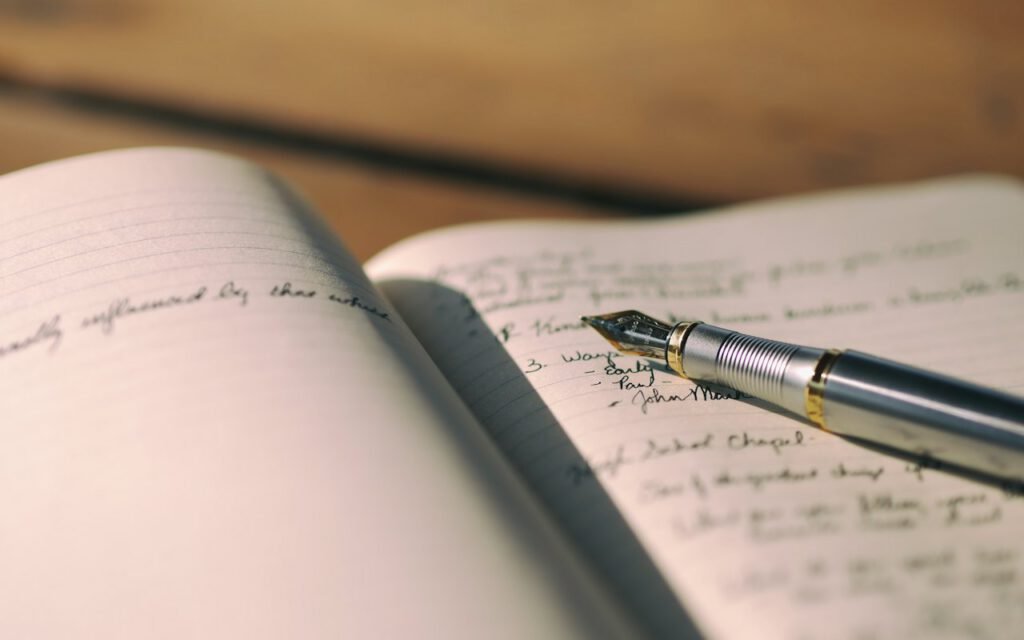
People ask where songs come from. Mostly from voice memos I almost delete. That is the honest answer, and I know it is not very romantic. I would love to tell you that songs arrive fully formed during a thunderstorm while I sit by a window with a quill pen. Instead they arrive as a mumbled half-melody recorded in a grocery store parking lot, or a single line I sang into my phone while brushing my teeth.
Here is my messy process, from that first scrap of an idea to a finished song I can play on stage. Every songwriter works differently, and this is not the right way, just my way. But if you are trying to write and feel stuck, maybe some of it will help.
Catch everything
I have 900 voice memos. Maybe 30 became songs. That ratio used to bother me. Now I think it is the whole point. You cannot know which idea is the good one until you have caught enough of them to compare.
So I record everything. A hummed melody in the car at a red light. A rhythm I tapped on the kitchen counter. A phrase someone said at a coffee shop that sounded like a chorus. My memos have names like “parking lot thing,” “sad G minor,” and “Theo said this,” and most of them are under thirty seconds long.
The rule is simple: never judge an idea while you are catching it. Judgment comes later. If you stop to ask whether something is good while you are recording it, it will slip away, and you will never know.

Listen back on Sundays
Once a week, usually Sunday morning with a big pot of coffee, I go through the new memos from that week. I listen to each one once and sort them into three folders: “no,” “maybe” and “yes, now.” The “no” folder is not deleted. I have pulled lines out of it years later. But it keeps the others clean.
The “yes, now” ideas are the ones that made me feel something when I heard them back. A shiver, a laugh, a sudden memory. If I listen to a memo and want to play it again immediately, it goes in that folder. Usually there are one or two a week, sometimes none.
Find the center
When I pick an idea to work on, the first job is figuring out what the song is actually about. Not the plot, the feeling. I write one sentence at the top of a notebook page. Something like “missing someone you are still angry at” or “the first warm day after a long winter.” That sentence is my compass. Every line I write after that has to point toward it.
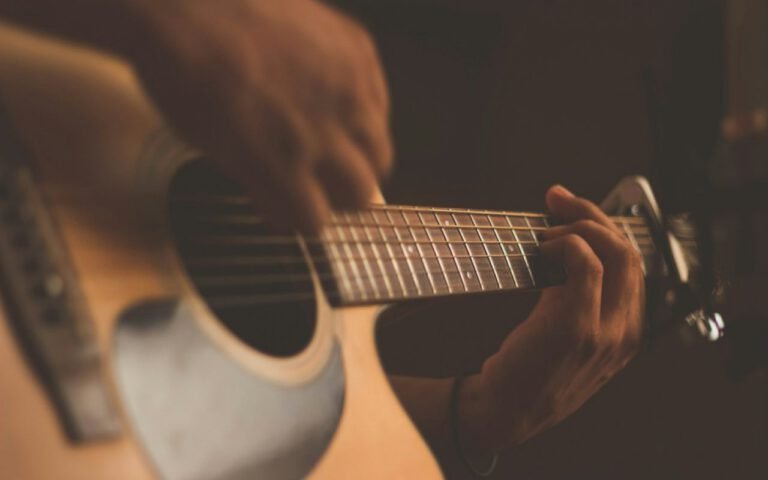
Then I sit with the guitar or at the piano and play the memo over and over, slowly building around it. Usually the original scrap becomes the chorus, because the catchiest ideas tend to be the ones that arrive first. Verses come later, and they take much longer.
Write the song you needed to hear last year.
Juno
A few tools I lean on
- A rhyming dictionary, used sparingly, mostly to remind me of words I forgot I knew.
- Object writing, ten minutes of describing one physical thing in detail, using all five senses.
- Changing instruments. When a song stalls on guitar, I move it to piano and it often opens up.
- Walking. Lyrics come easier when my feet are moving, so I take a lot of slow laps around the neighborhood.
Finish badly
A finished bad song teaches more than a perfect unfinished one. This is the most important thing I have learned about writing, and it took me years to accept. For a long time I had dozens of beautiful first verses and choruses that never went anywhere, because I was waiting for the perfect second verse to arrive. It never did.
Now I make myself finish every song I start, even if the bridge is clumsy and the last verse is obviously filler. Finishing teaches you about structure, pacing and endings in a way that tinkering with a chorus never will. And very often, once the whole song exists, the weak parts become easier to fix because you can see what they need to do.
Here is the order I usually follow to get from fragment to finished draft:
- Lock the chorus. Melody and words, even if a few lines are placeholders I plan to rewrite.
- Write the first verse to set up the situation that the chorus answers.
- Write a second verse that moves the story forward, not just repeats the first.
- Add a bridge only if it earns its place. Plenty of great songs skip it.
- Record a rough demo on my phone and walk away for at least three days.
Rewrite with fresh ears
After a few days away, I listen to the rough demo with my notebook open. This is when the real work happens. I circle every line that feels lazy or vague. I cross out anything that explains a feeling instead of showing it. I look for one image, one specific detail, that makes the song feel like mine instead of anyone’s.
Then I play it for one trusted person. For me that is usually my bandmate Dana, who is kind but completely honest. She does not tell me how to fix things. She just tells me where she stopped paying attention. That is all I need.
Some songs get rewritten three or four times. Some never get past the demo stage, and that is fine. The thirty songs that made it out of my nine hundred memos each went through this process, and each one taught me something I used on the next.
Key takeaway: catch everything, judge later and finish what you start, even when it is not good yet.
When nothing comes
Some weeks the memo folder is empty, and I used to panic about that. Now I treat dry spells as part of the cycle. When I cannot write, I listen. I read poetry, go to shows by other songwriters, take long drives with the radio off and learn other people’s songs on guitar, paying attention to how they are built. I also write exercises with no pressure at all, like a verse about my coffee mug or a chorus that uses only one-syllable words.
Most of those exercises go nowhere. Every so often, one of them cracks something open, and suddenly I have three new memos in a day. The trick is to keep your hands moving even when your heart is not ready yet. Songs have a way of showing up once they notice you are paying attention.
Keep the door open
The biggest secret to writing songs, at least for me, is staying open. Ideas show up when you are not looking for them, in parking lots, in the shower and in the middle of conversations. If you keep your phone handy, your notebook nearby and your judgment on hold, more of them will find you.
So if you want to write, start today. Record the silly melody. Write the clumsy verse. Finish the bad song. Somewhere in the middle of all that mess, a good one is waiting.

Juno Hart
Juno writes quiet songs for loud hearts.





2 Comments
Sharing this with my friends.
Saved this one for later. Really useful.