Every album I release gets a small vinyl run, even though it costs more. A lot more, honestly. When I sit down with my spreadsheet at the start of a new release, the vinyl line is always the one that makes me wince. It takes months to manufacture, it is heavy to ship, it breaks if a delivery truck has a bad day and the profit margin on a small run of a few hundred copies is thin at best. Every year someone sensible asks me why I bother.
Fans who buy records listen differently. That is the short answer. The long answer is the rest of this post: what pressing vinyl actually involves for an independent artist, what it costs me and why I keep doing it anyway.
How a small run works
For anyone curious about the process, here is roughly how it goes for an independent release like mine. Every pressing plant and every project is a little different, so take this as one artist’s experience, not a manual.
- Mastering for vinyl. The album gets a separate master prepared specifically for the format, since records have physical limits that streaming files do not.
- Lacquers and plates. The audio is cut into lacquer discs, which are used to make the metal stampers that press the actual records.
- Test pressings. A handful of early copies arrive for approval. I listen to every side, start to finish, on two different turntables.
- Artwork and printing. Jackets, inner sleeves and inserts are printed while the records are being made.
- The full run. Once everything is approved, the plant presses and packs the order.
From the day I send files to the day boxes arrive at my door, it usually takes three to five months. That means planning the vinyl release long before the album is even announced.
The order matters
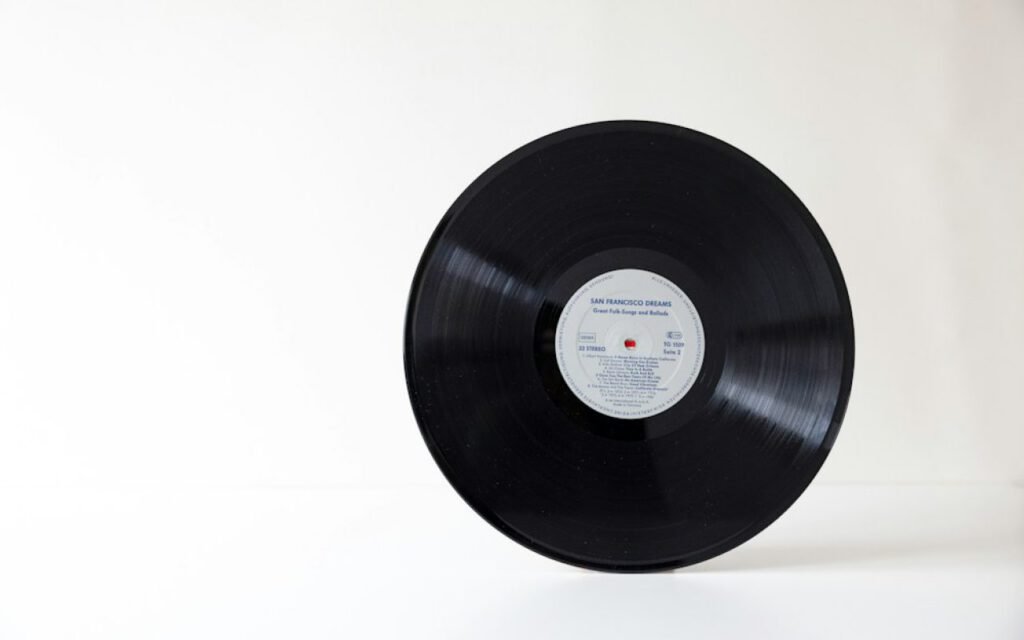
On vinyl you hear the album as a whole, side A then side B. That is the part that matters most to me as a songwriter. When I sequence a record, I think carefully about how the songs flow into each other, where the quiet moments land and how each side opens and closes. Streaming makes it easy to skip around and shuffle, which is wonderful for discovery but means that careful order often gets lost.
A record does not let you skip easily. You put the needle down and the songs come in the order I chose, for about twenty minutes, and then you have to get up and flip it. That little ritual creates a natural intermission. Side A ends with a breath, and side B begins like a second act.
On my last album, I wrote the final song on side A specifically to work as a pause, a soft, unresolved ending that makes you want to turn the record over. Streaming listeners hear it as track five. Vinyl listeners hear it as the end of a chapter. I love that the same song can mean two different things.
A record asks you to sit down and listen. I love that.
Juno
The artwork
Twelve inches of art you can hold. Nothing beats it. The cover of an album on a phone screen is about the size of a postage stamp. On a record jacket it is a real piece of art, big enough to hang on a wall, and people do.
For each release I work with an illustrator or photographer to create artwork that works at full size. For my second album, I worked with a painter named Rosa Delgado, who made a small series of watercolors inspired by the songs. The front cover became one painting, the back another, and the inner sleeve held the lyrics hand-lettered over a soft wash of blue. People still send me photos of that sleeve pinned to their walls.
What goes inside
- Lyrics, always, printed large enough to read without squinting.
- Liner notes thanking the people who helped make the record, including my very patient neighbor.
- A small handwritten-style note about what the album means to me.
- A download card, so listeners can take the music with them on the road.
The money, honestly
I want to be open about this part, because a lot of young artists ask. A small vinyl run is expensive per copy, especially compared with digital releases. Between mastering, pressing, printing, packaging and shipping, the cost of each record adds up quickly, and on a small run there is not much room left after I pay for everything.
I keep the costs manageable by planning far ahead, choosing simple packaging most of the time, selling at shows where there are no shipping costs and offering preorders so I know roughly how many to press. Preorders also help me pay the plant before the records arrive, instead of covering everything out of pocket.
Prices for materials and manufacturing change often, so if you are planning your own run, get quotes from a few plants and talk to other independent artists about their experience. A good accountant is worth talking to as well, especially when you are spending real money up front.
Key takeaway: vinyl rarely makes me much money, but it makes the music last, and it connects me with the listeners who care most.
Why it is worth it
The people who buy records are often the people who come to shows, who host house concerts, who tell their friends about a song. They have sat down and listened to the whole album, start to finish, in the order I intended. When they come up to the merch table, they want to talk about the song at the end of side A, or the lyric on the inner sleeve, or the painting on the back. Those conversations are the best part of releasing music.
There is also something about making a physical object that matters to me. Streams come and go. Platforms change. A record on a shelf will still be there in thirty years, and maybe someone’s kid will pull it out, put the needle down and hear the songs exactly the way they were meant to be heard.
Vinyl has also shaped how I write. Knowing that an album will be split into two sides of roughly twenty minutes each makes me think harder about length and pacing. Every song has to earn its place, because there is only so much room on a side. That limit has made my records tighter, and I suspect that is a good thing for listeners on every format.
The next pressing
I am already planning vinyl for the next album, which means I am already wincing at the spreadsheet. It will be another small run, probably a few hundred copies, with new artwork and a new sequence I have been arguing with myself about for weeks. It will cost more than it should and take longer than I want.
And when the test pressing arrives in the mail, I will sit on the floor, put the needle down on side A and listen to the whole thing without moving. That moment is why I still press vinyl.
Juno writes quiet songs for loud hearts.

Juno Hart
Juno writes quiet songs for loud hearts.