 Nadia Rowe6 min read
Hiring a designer for the first time can feel intimidating. It shouldn’t. Many of my clients arrive with the same worries: that I will judge their current home, that the budget will balloon, that they will lose control of their own space, or that they will end up with a room that looks like a magazine and feels like someone else’s. Those fears are understandable, and they mostly come from not knowing what actually happens. So here’s exactly how a project with my studio works, from the first phone call to the day we hang the last picture.
The first conversation
Every project begins with a free 30-minute call. I want to hear what you hope to change, how you use the space and what has not worked so far. I also want to know whether we are a good fit. Not every project is right for my studio, and I would rather tell you that early and point you to someone better suited than waste your time.
If we decide to move forward, I visit the home for a paid consultation of about two hours. I measure, take photos and ask a lot of questions. Some of them may seem unexpected:
- What time do you usually get home, and what is the first thing you do?
- Where do coats, shoes, bags and mail land right now?
- Which room do guests always end up in?
- What pieces do you love and want to keep?
- What did you dislike about the last room you decorated?
The answers shape everything. A beautiful room that ignores how you really live will not stay beautiful for long.
The budget talk
We set a real number on day one, and stick to it together. This is the conversation people dread most, and I understand why. Talking about money with a stranger is uncomfortable. But a design without a budget is just a wish, and I cannot help you well until I know the boundaries.
I ask for a total figure that includes furniture, lighting, rugs, window treatments, accessories, any construction or painting and my design fee. Then I break it down by room and by category so you can see where the money goes. If the number is tight for what you want, I say so honestly and suggest where to save and where to invest. Usually that means spending on the pieces you touch every day, like a sofa, a mattress or a dining chair, and saving on things that are easy to swap later.
How fees usually work
Designers charge in different ways: hourly, a flat fee, a percentage of the project or a combination. My studio uses a flat design fee agreed upfront, plus product at the prices in our proposal. Whatever designer you hire, ask them to explain their fee structure in writing before you sign anything, and ask what happens if the scope changes.
Good design is a conversation, not a reveal.
Nadia
Design and decisions
Television makeover shows love a dramatic reveal, with the client blindfolded until the last moment. Real projects work very differently, and they should. You are part of every decision.
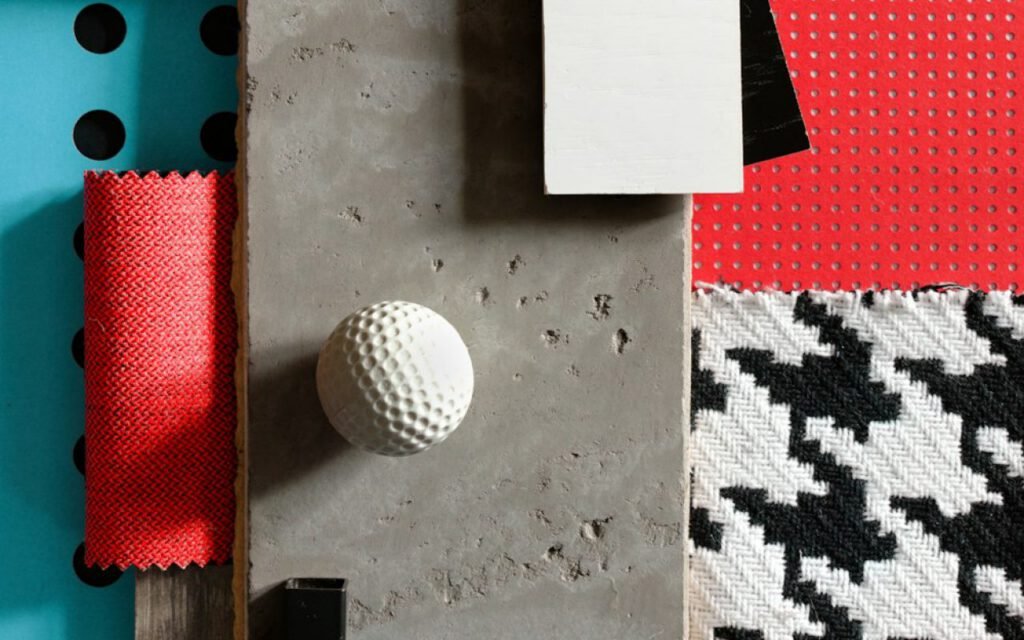
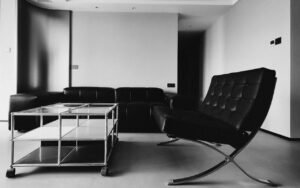
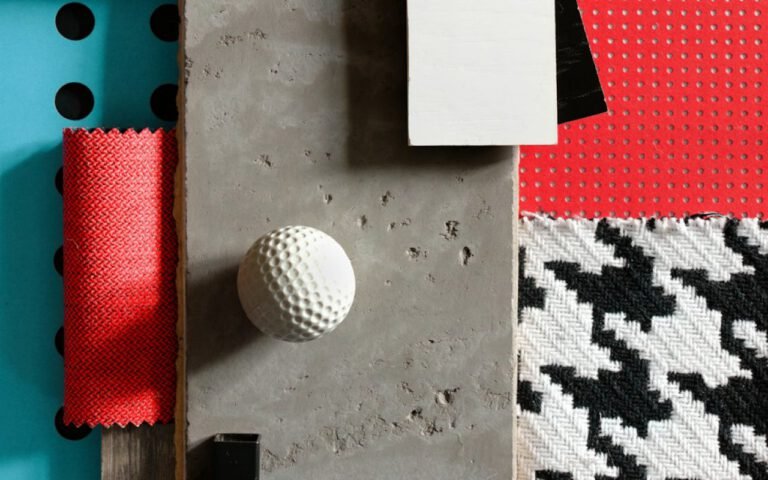
- Concept. I present a mood board with physical samples, a floor plan and black-and-white sketches of the room. We talk through everything and adjust.
- Design development. I select specific furniture, lighting and finishes, with options where it helps. You see prices for every item.
- Approval. You approve each piece before anything is ordered. Nothing is purchased without your signature.
- Ordering and tracking. My studio places orders, tracks shipping and inspects deliveries for damage.
- Installation. We bring everything together, usually over one or two days.
Expect two or three rounds of revisions in the concept stage. That is normal and healthy. Clients sometimes apologize for changing their minds. Please do not. It is far better to change a drawing than a sofa.
The waiting
Custom furniture takes 10 to 16 weeks. Patience is part of the process. This is the part nobody mentions in the glossy photos, and it surprises almost every first-time client. A sofa built to your size, in your fabric, does not appear in a week. Neither do custom drapery, upholstered headboards or many lighting fixtures from smaller makers.
A typical full-room project with my studio runs about four to six months from the first meeting to installation, depending on how many custom pieces are involved and whether there is construction. During the waiting period, I send regular updates so you are never wondering where things stand.
- In-stock pieces usually arrive in one to four weeks.
- Custom upholstery often takes 10 to 16 weeks.
- Custom millwork and cabinetry can take longer, depending on the workshop.
- Delays happen. A backordered fabric or a damaged shipment can add weeks, and I will tell you as soon as I know.
Some clients prefer to install in phases, using a few temporary pieces while the custom work is being made. Others like to wait for one complete installation day. Both approaches work. We decide together.

Installation day and after
On installation day, my team handles deliveries, assembly, art hanging and styling. I ask clients to be away for most of it, if possible, and come home in the late afternoon. It is the one small reveal I do allow myself. Then we walk through the space together, sit in every chair and make a short list of anything that needs adjusting.
My work does not end there. I follow up after a month to see how the room is living. Sometimes a lamp needs moving or a rug needs a better pad. If a delivered item has a defect, we handle the return or repair with the maker.
How to be a great client
The best collaborations I have had were with clients who were honest, responsive and curious. Tell me when something does not feel right. Answer questions within a few days so orders do not stall. Ask why I made a choice; I always have a reason, and sometimes explaining it helps us both see a better option.
It also helps to decide early who has the final say. If two partners share a home, I ask them to agree on how they will handle disagreements before we start. Sometimes one person leads the kitchen and the other leads the bedroom. Sometimes every choice needs both signatures. Either way works, as long as everyone knows the rule. Projects stall when two people quietly want different things and nobody says it out loud.
Key takeaway: Expect a clear budget conversation on day one, a collaborative design process with no surprises, and a realistic timeline of several months when custom pieces are involved.
Ready when you are
Working with a designer is not about handing over your home. It is about having a partner who can see possibilities you have not had time to see, manage details you would rather not manage and protect your budget from expensive mistakes. The result should feel like you, only more so.
If you are thinking about a project, browse the room projects on this site, note what you are drawn to and send me a message. We will start with a simple, no-pressure conversation and see where it goes.

Nadia Rowe
Nadia designs quiet rooms with honest materials.


Nadia Rowe
Nadia designs quiet rooms with honest materials.



Start the conversation