A Cottage Garden in a Suburban Backyard
How one couple in Portland, Oregon turned a square of lawn into a garden full of color, bees and quiet corners.
 Tom Becker7 min read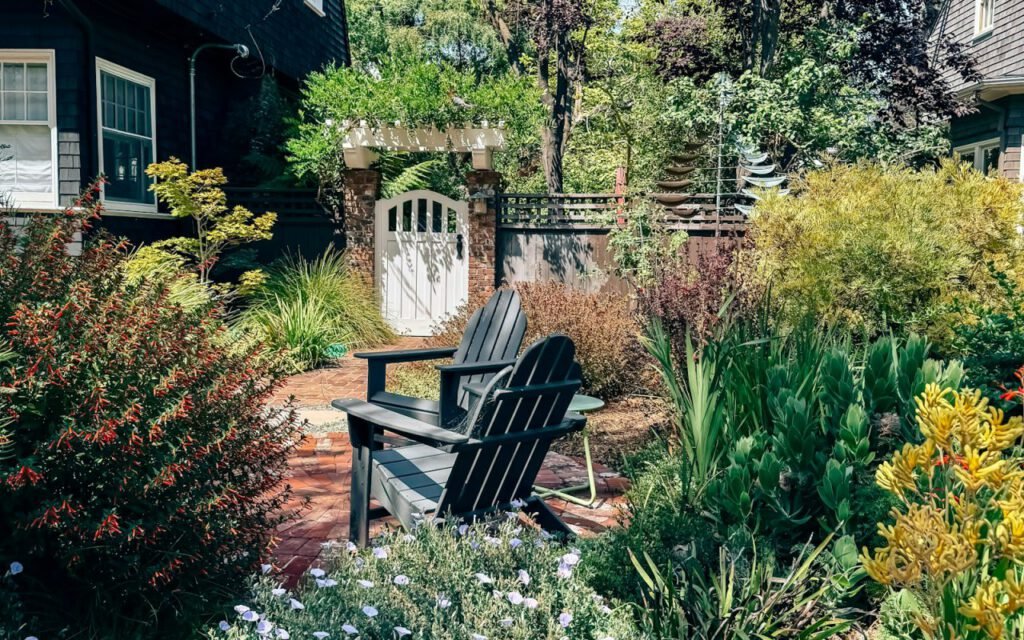

Tom Becker
Tom has kept a vegetable garden for thirty years and still gets excited about the first radish of spring.



Seven years ago, Grace and Henry Wallace had a rectangle of grass and a chain-link fence. Today their backyard is a maze of flower beds, a white gate and two chairs in exactly the right spot. On a warm afternoon in late June, the air above the beds hums with bees, the hollyhocks lean over the fence toward the neighbors, and the only sound from the street is the occasional bicycle bell. It is hard to believe that the whole garden sits on an ordinary suburban lot in Portland, Oregon, about fifty feet wide and a little less than that deep.
The Wallaces are not professional gardeners. Grace teaches middle school science, and Henry worked for thirty years as a surveyor before he retired. What they have is patience, a compost pile and a habit of walking the garden every evening with a cup of tea. When we visited on a Sunday morning, Grace was deadheading roses in her slippers while Henry carried a watering can from bed to bed, stopping every few steps to point out something new. They agreed to share what they have learned, including the mistakes, so that anyone with a plain patch of lawn can start a cottage garden of their own.
 Sponsored · Hearthside CandlesHand-poured in VermontTwelve new fall scents, out now.Shop candles
Lose the lawn slowly
They removed a little grass each fall, smothering it with cardboard and compost, and planted the new beds the following spring. There was no rented sod cutter, no weekend of back-breaking digging and no bare dirt left to wash away in the winter rain. The method is simple. In October, they marked out a new bed with a garden hose, laid flattened cardboard boxes over the grass, overlapping the edges by several inches, and soaked the cardboard with water. Then they covered it with four to six inches of compost and shredded leaves.
Over the wet Portland winter, the grass beneath died off, the cardboard softened, and worms pulled the compost down into the soil. By April, the bed was dark and crumbly, ready to plant without a shovel ever touching the old turf. Each year they claimed another strip of lawn, working outward from the back door toward the fence. Doing it in stages also meant they never faced a whole yard of empty beds at once, which Grace says is where many new gardeners lose heart.
The slow pace had another benefit. Living with each new bed for a full season taught them where the sun actually fell, which corners stayed soggy after rain and where the dog liked to cut across. By the time they reached the back fence, they knew the yard far better than any plan on paper could have shown them.
We spend more time sitting in the garden than working in it now. That was always the point.
Henry Wallace, gardener
Plant in drifts
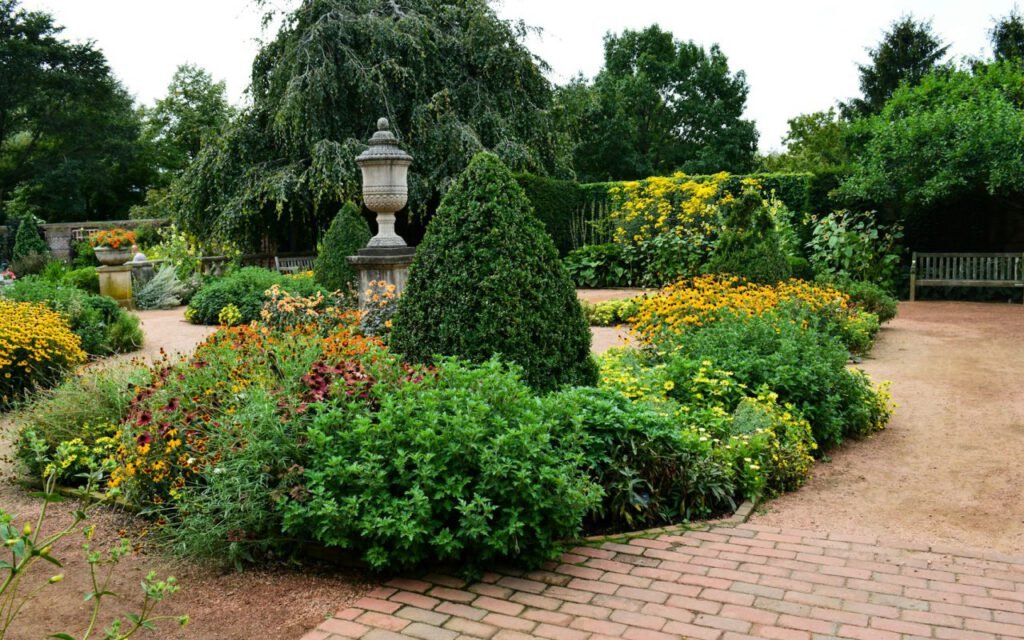
Instead of one of everything, they planted groups of five or seven of the same plant. The garden looks full and calm instead of busy. Their first beds, Grace admits, looked like a garden center display: a single coneflower here, a lone daylily there, a dozen different colors fighting for attention. Nothing looked bad on its own, but together the beds felt restless.
The fix was to repeat. Now a sweep of blue catmint runs along the front of the main bed, picked up again near the gate and once more by the chairs. Pink salvia appears in three loose groups, and tall foxgloves rise in clusters at the back. The eye follows the repeated colors around the garden, and the whole yard reads as one composition instead of a collection. Odd numbers help the groups look natural rather than lined up like soldiers.
A note on spacing
Cottage gardens look abundant because the plants are close together. The Wallaces space most perennials a little tighter than the plant tag suggests, which crowds out weeds and keeps soil shaded and cool during dry Oregon summers. The tradeoff is that every three or four years they dig up and divide the biggest clumps, which gives them free plants for new beds and plenty to share with neighbors.
Sponsored · Hearthside CandlesHand-poured in VermontTwelve new fall scents, out now.Shop candlesFeed the bees, and they will come
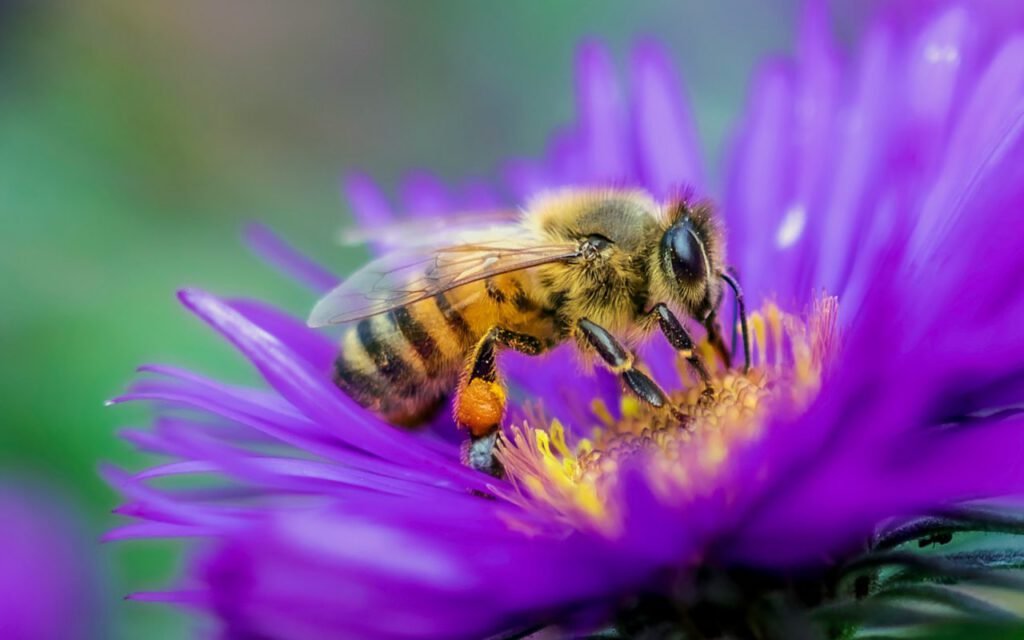
Almost every plant in the garden is chosen with pollinators in mind. Open, simple flowers like catmint, salvia, lavender and single roses are easy for bees to work, and planting in drifts gives them a big enough target to find. On a sunny day, Henry has counted bumblebees, honeybees and at least three kinds of smaller native bees in a single bed. Hummingbirds visit the foxgloves and the salvia, and in late summer goldfinches perch on the seed heads.
The couple does not spray insecticides. When aphids show up on the roses each spring, they wait, and within a week or two ladybugs and small birds usually take care of the problem. Grace keeps a shallow dish of pebbles and water near the lavender so bees have a safe place to drink on hot days.
Make places to sit
Two Adirondack chairs at the end of the path give the whole garden a destination. Without them, Grace says, the yard was something you looked at from the kitchen window. With them, it became a place to go. The gravel path curves gently from the back door, past the main beds and through the white gate before ending at the chairs, which face west toward the evening light.
That curve matters. A straight path shows you everything at once; a bending one hides and reveals the garden as you walk it. The Wallaces planted taller plants at each turn so that the chairs disappear from view for a few steps and then appear again. Even in a small yard, the walk feels longer and more interesting than it really is.
Over the years they have added a few smaller resting spots: a stone bench by the vegetable bed, an upturned log beside the birdbath where their grandchildren like to sit, and a narrow shelf on the fence for a coffee cup. None of it cost much, and all of it invites people to slow down.

Their favorite plants
After seven seasons of trial and error, a handful of plants have earned a permanent place. All of them handle Portland’s wet winters and dry summers, and most need little more than a trim once or twice a year.
- Catmint and salvia for long-flowering color
- Hollyhocks and foxgloves for height
- Lavender along the path
- A small birdbath
Catmint is the workhorse. Cut back by half after its first flush in early summer, it blooms again into September. The salvias do the same if they are deadheaded. Hollyhocks and foxgloves are both short-lived, but they seed themselves freely, so the Wallaces simply let them wander and pull out any seedlings that come up in the wrong place. The lavender along the path releases its scent every time someone brushes past, which Grace calls the best welcome a garden can give.
The birdbath, technically not a plant, made the list anyway. Henry cleans and refills it every other morning, and it draws robins, chickadees and the occasional curious squirrel. It also gives the eye a resting point in the middle of all that color.
Key takeaway: You do not need to transform a yard in a single season. Remove a little lawn each fall, repeat a few good plants and give yourself somewhere to sit.
Starting your own
Asked what advice they would give someone looking at a plain rectangle of grass, the couple answered almost in unison: start small. One bed, built with cardboard and compost this fall, planted with a few drifts of easy perennials next spring. Watch where the light falls and what grows well, then add another bed the following year.
If you are unsure about your soil, your county extension office can usually test a sample for a small fee and tell you what it needs. Local garden clubs and plant swaps are also wonderful sources of divisions and seedlings, often free for the asking. The Wallaces got their first catmint from a neighbor two doors down.
As we left, Henry was already back in his chair at the end of the path, a mug in one hand and nothing at all in the other. The garden was doing exactly what it was designed to do. It had given him a reason to sit still.
Tom Becker
Tom has kept a vegetable garden for thirty years and still gets excited about the first radish of spring.


Start the conversation