Hollyhocks: The Old-Fashioned Flower Worth Growing Again
Seven feet tall, loved by bees and almost impossible to kill.
 Tom Becker6 min read

Tom Becker
Tom has kept a vegetable garden for thirty years and still gets excited about the first radish of spring.



Hollyhocks lined farmhouse walls a century ago, and they deserve a comeback. They grow tall, bloom for weeks and seed themselves around the garden. Picture a white clapboard house in July, with spires of pink, cream, deep burgundy and pale yellow rising higher than the windowsills, each stem stacked with saucer-sized flowers and humming with bees. For generations, that was simply what a summer garden looked like in much of rural America. Then tastes changed, gardens shrank, and the hollyhock came to be seen as a little old-fashioned.
That reputation is undeserved. Few plants give so much height, color and wildlife value for so little effort. We spoke with Ruth Abernathy, who has been saving hollyhock seed from her own garden in the Shenandoah Valley of Virginia for more than thirty years, about how to grow them, how to live with their one notable flaw, and why she thinks every sunny garden should have a few.
 Sponsored · Hearthside CandlesHand-poured in VermontTwelve new fall scents, out now.Shop candles
Where to plant
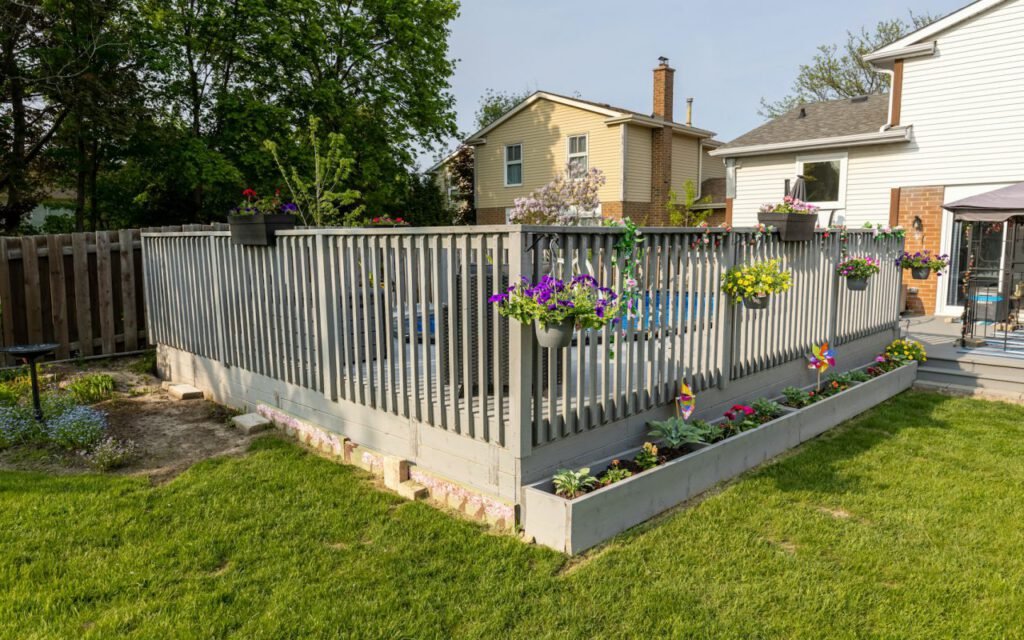
Against a sunny wall or fence, where the tall stems have some support and a backdrop. Hollyhocks routinely reach six or seven feet, and some varieties grow taller still, so they belong at the back of a border or along a boundary. A wall or fence shelters them from the worst of the wind, holds a little extra warmth, and shows off the flowers against a plain background.
They want full sun, at least six hours a day, and soil that drains well. They are not fussy about fertility; in fact, very rich soil can produce lush leaves and floppy stems. Ruth grows hers along the south side of an old stone barn and against a picket fence by the vegetable garden, and she says both spots have produced reliable flowers every summer for decades. Avoid low spots where water pools in winter, since hollyhock roots dislike sitting wet.
Plant them once and you will have hollyhocks for the rest of your life.
Ruth Abernathy, seed saver
From seed
Sow seeds in late summer for flowers the following year. Hollyhocks are biennials: leaves the first year, flowers the second. In the first season, a young plant grows a low rosette of large, rounded, slightly fuzzy leaves close to the ground. It spends the winter resting, then in its second spring sends up a tall flowering stem that blooms from early or midsummer for several weeks. After flowering and setting seed, many plants decline, though some behave like short-lived perennials and return for another year or two.
How Ruth sows them
Her method is straightforward and works for beginners:
- In August or early September, loosen the soil where you want plants to grow.
- Press seeds about a quarter inch deep, spacing them roughly a foot apart.
- Water gently and keep the soil lightly moist until seedlings appear, usually within two weeks.
- Thin the young plants so the strongest stand about eighteen inches to two feet apart.
- Leave them alone over winter; a light mulch helps in colder regions.
Hollyhocks have long taproots and dislike being moved, so sowing directly where they will flower is easiest. If you prefer to start them in pots, use deep containers and transplant while the seedlings are still small. Seeds sown indoors very early in late winter will sometimes flower in their first summer, which is a useful trick for impatient gardeners.

Rust and how to live with it
Orange spots on the leaves are common. Remove the worst leaves and plant something bushy in front to hide the rest. Hollyhock rust is a fungal disease that shows up as small yellow patches on the upper side of leaves and raised orange-brown bumps underneath. It usually starts on the lower leaves and works its way up the stem as summer goes on, especially in humid weather.
Sponsored · Hearthside CandlesHand-poured in VermontTwelve new fall scents, out now.Shop candlesRust rarely kills a hollyhock or stops it from flowering, but it can make the foliage look shabby. Ruth’s approach is practical rather than perfectionist. She pulls off the worst leaves as soon as she sees them and puts them in the trash, never the compost pile. She waters at the base of the plants in the morning so leaves dry quickly, and she leaves enough space between plants for air to move. Most of all, she plants mounding perennials and roses in front of her hollyhocks, so the lower leaves are hidden and only the flowering spires are seen.
At the end of the season, she cuts stems down and clears away fallen leaves to reduce the amount of rust that overwinters. Some gardeners also look for varieties described as more resistant, which can help in humid climates. If rust becomes a serious problem in your garden, your county extension office can offer advice suited to your area.
A favorite of bees
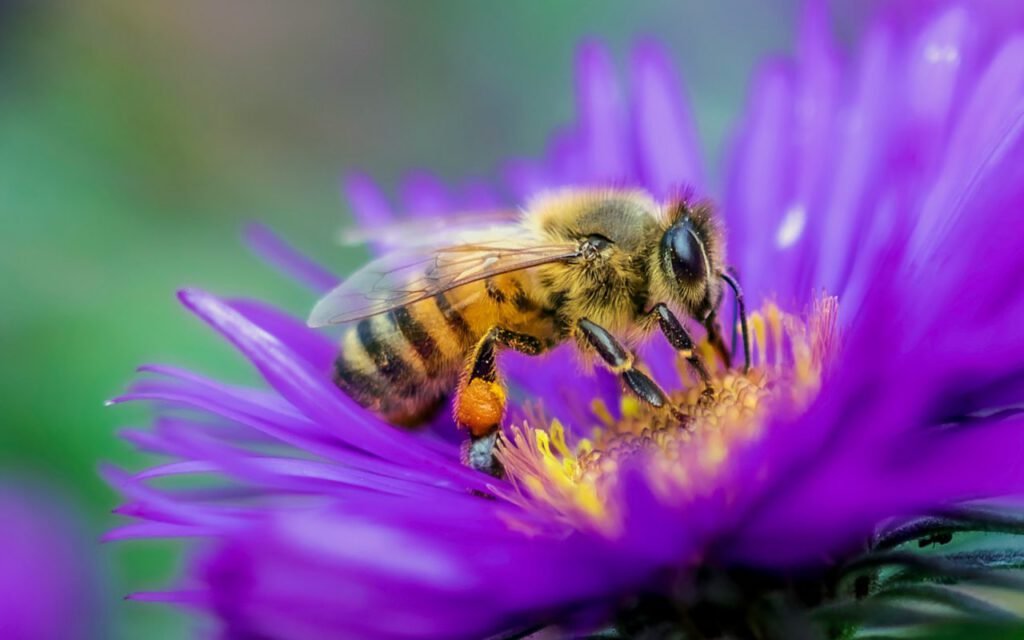
Open your hollyhocks to the summer and you will soon notice visitors. The large, open flowers are easy for bees to reach, and bumblebees in particular seem to love them, often crawling deep inside each bloom and emerging dusted in pale pollen. Single-flowered varieties are generally easier for pollinators to use than the frilly double kinds, so Ruth grows mostly singles. Hummingbirds and butterflies stop by as well.
Children love hollyhocks, too. Generations of kids have turned the flowers into little dolls, using an open bloom as a skirt and a bud as a head. Ruth still makes them with her grandchildren every July.
Good to know
Once established, hollyhocks need very little care, but a few habits will keep them coming back year after year:
- Let a few flowers go to seed each year
- Stake stems in windy spots
- Pair with roses and catmint
Letting some flowers ripen into flat, round seed heads ensures a new generation, since the plants will sow themselves around the garden. You can also collect the seeds in late summer, dry them on a plate for a week and store them in a paper envelope in a cool, dry place. Because hollyhocks cross-pollinate freely, seedlings may come up in surprising colors, which Ruth considers part of the fun.
In exposed gardens, a simple bamboo stake and a few loose ties keep tall stems upright through summer storms. And as companions, roses and catmint are classic choices; both bloom at the same time, both suit the cottage style and both help hide those rust-spotted lower leaves.
If you are short on space, hollyhocks also grow surprisingly well in a narrow strip of soil along a driveway, a garage wall or the side of a house, places where few other flowers would thrive. Ruth has seen them flourishing in cracks between paving stones and along alley fences in town. Give them sun, a little room for their roots and something to lean against, and they will reward you with weeks of tall, cheerful color in exchange for almost no care at all.
Key takeaway: Sow seeds in late summer against a sunny fence, accept a little rust and let a few flowers go to seed. You may never need to buy another hollyhock.
A flower with a long memory
For Ruth, hollyhocks are as much about memory as about gardening. Her first seeds came from her grandmother’s farm in West Virginia, saved in a canning jar and passed down through the family. Today she shares seeds with neighbors, friends and anyone who asks, tucked into hand-labeled envelopes. Some of the hollyhocks blooming along fences in her valley, she says, are cousins of the ones that grew beside her grandmother’s porch. That is the quiet magic of an old-fashioned flower: plant it once, and it will keep telling its story long after you are gone.
Tom Becker
Tom has kept a vegetable garden for thirty years and still gets excited about the first radish of spring.

Start the conversation